USA
* November 26, 1924 New York
† June 9, 2000 New Brunswick (NJ)
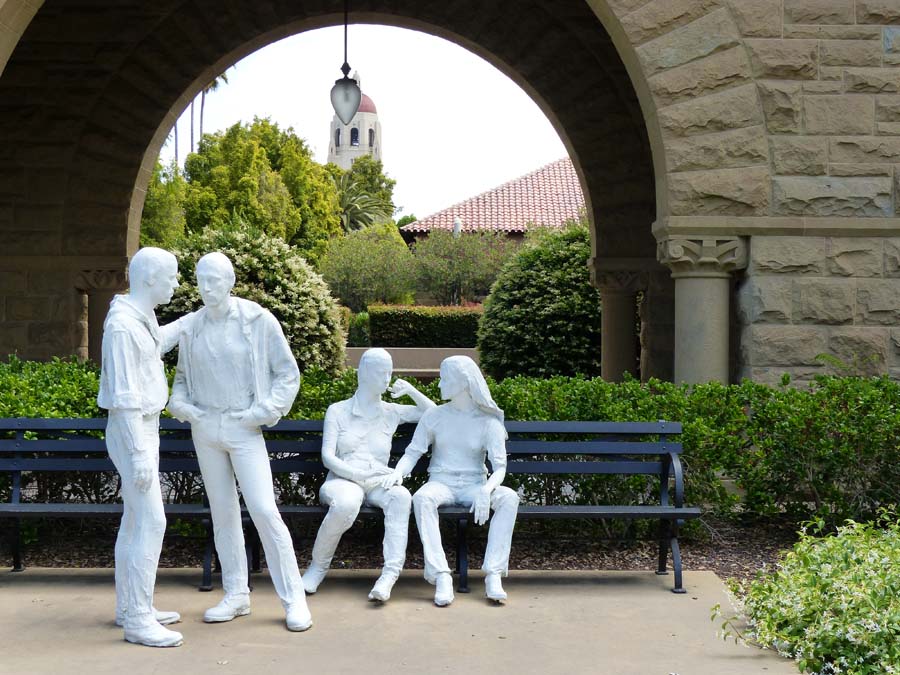
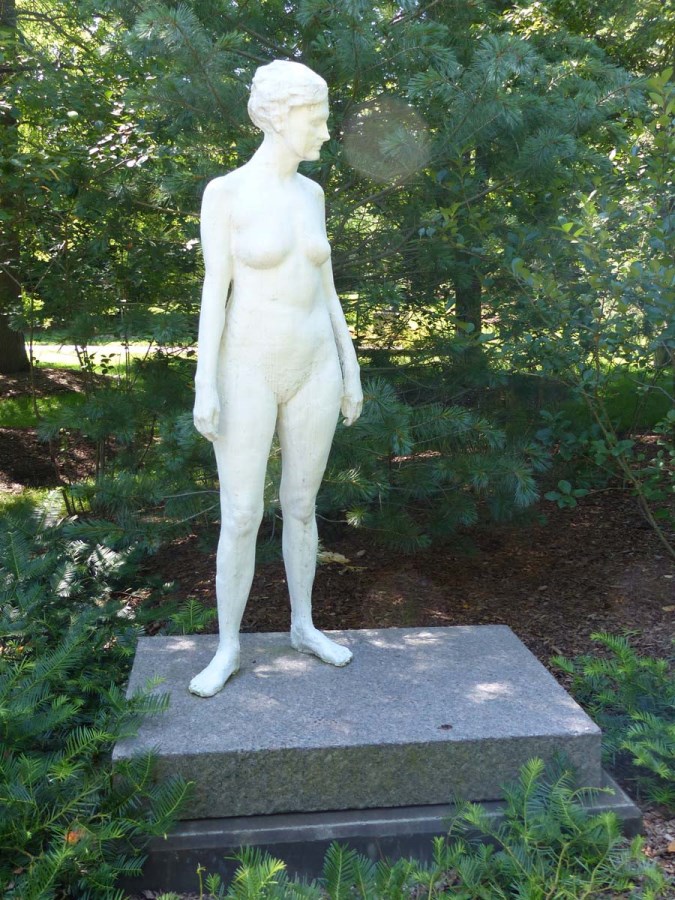
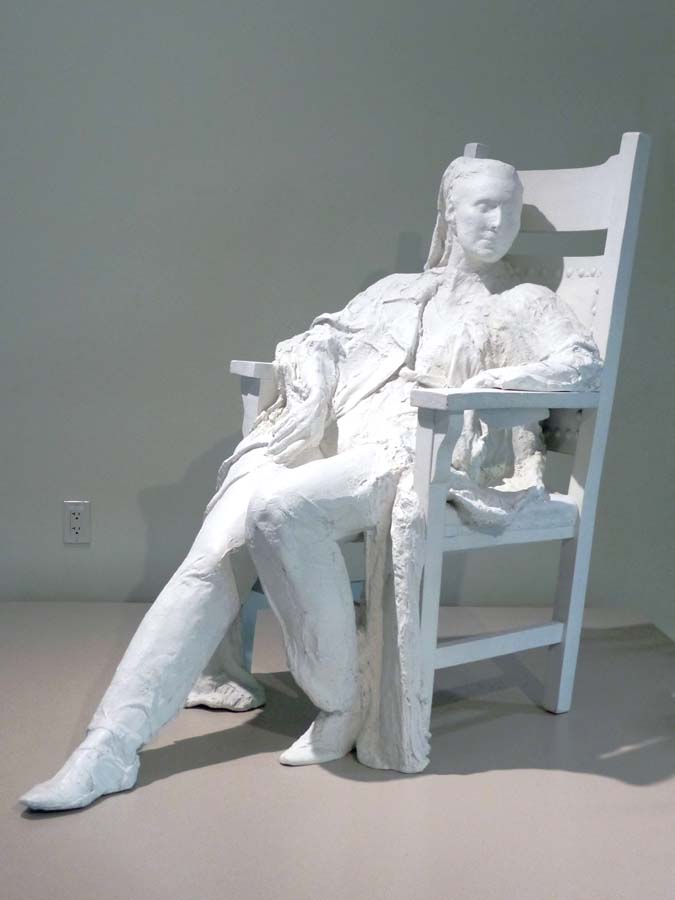
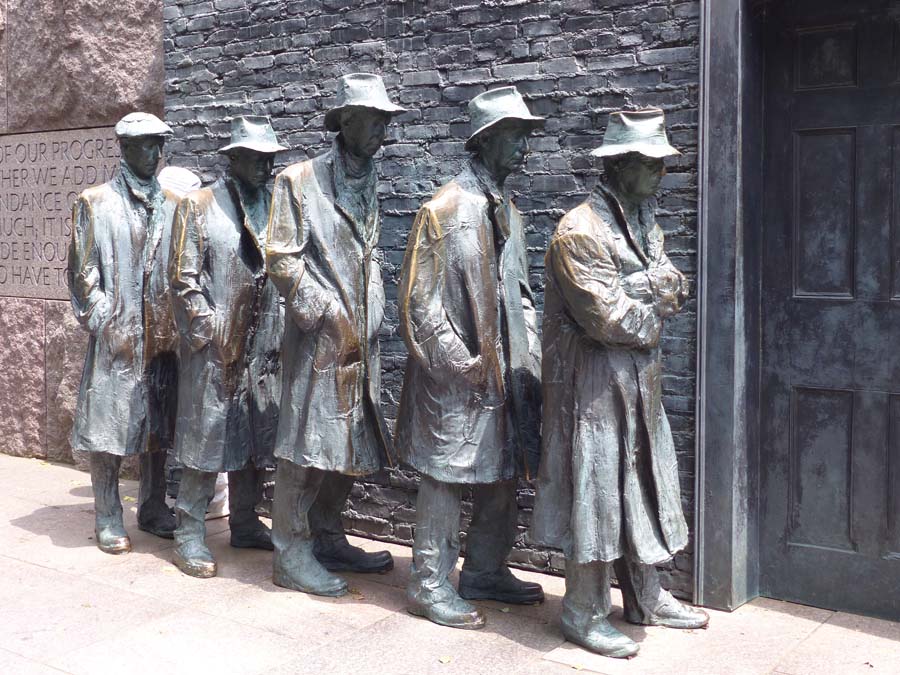
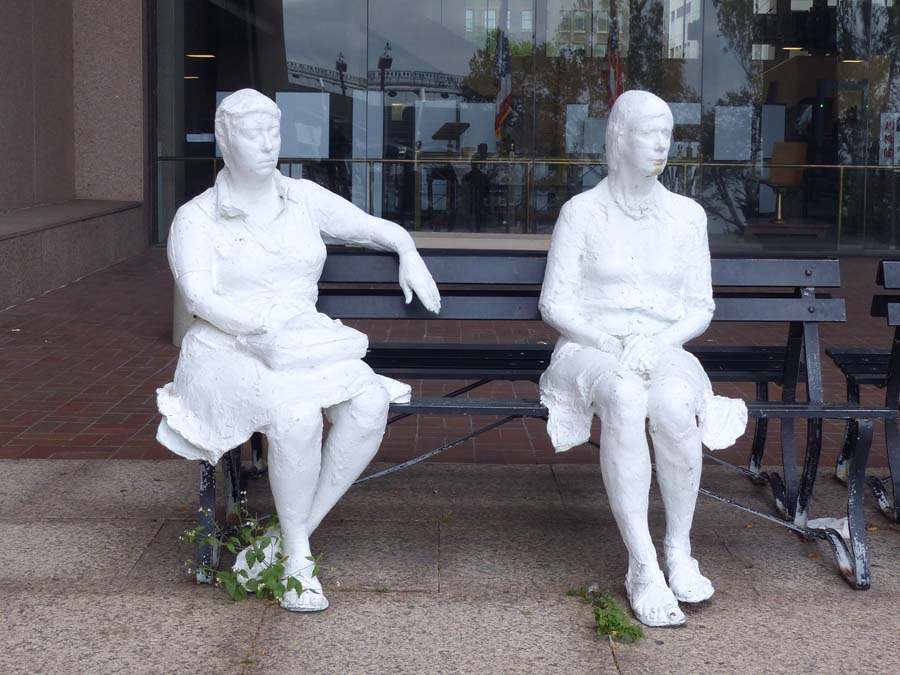
George Segal became famous primarily for his plaster casts of real people, mostly life-size and depicting simple poses. The figures stand or sit in everyday situations: at bus stops, in bars, on park benches, or in bathrooms. He often combines the figures with real everyday objects (furniture, street signs, or bathtubs), which makes the scenes particularly realistic. The “environments” he created form dioramas of varying sizes.
Since Segal completely avoided color in many of his artworks, they remained plaster white. This gives them a ghostly, timeless effect and draws attention to posture and situation. When the artist did use color, the figures were usually monochromatic. Despite their close proximity, the figures often appear melancholic, sad, or distant, even when several of them are together. Although Segal is considered part of the Pop Art movement, he differs from Warhol or Lichtenstein in his serious, socially critical, and contemplative approach.