Great Britain
* August 15, 1949 Bangor
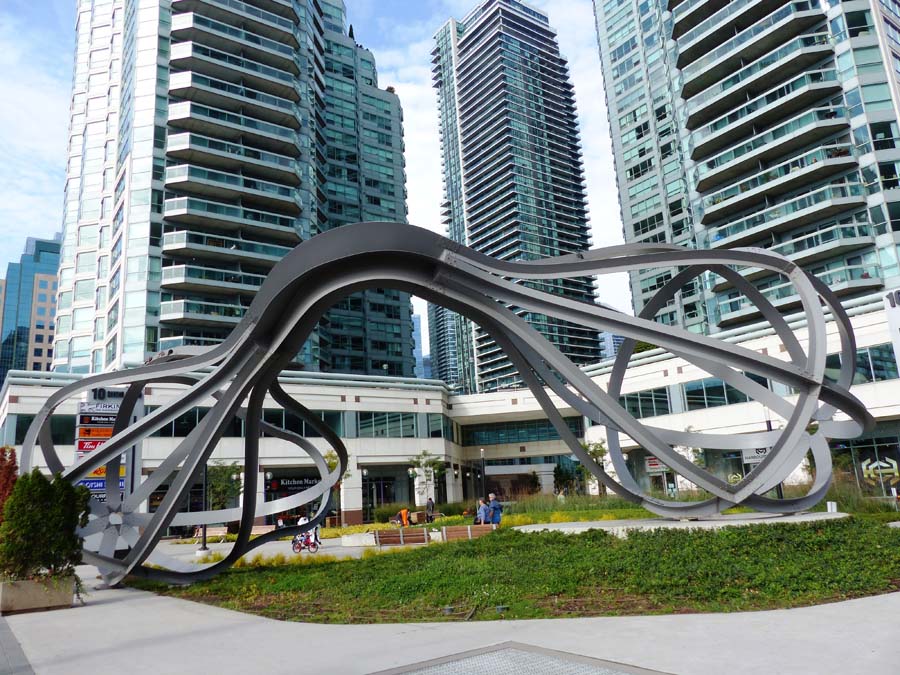
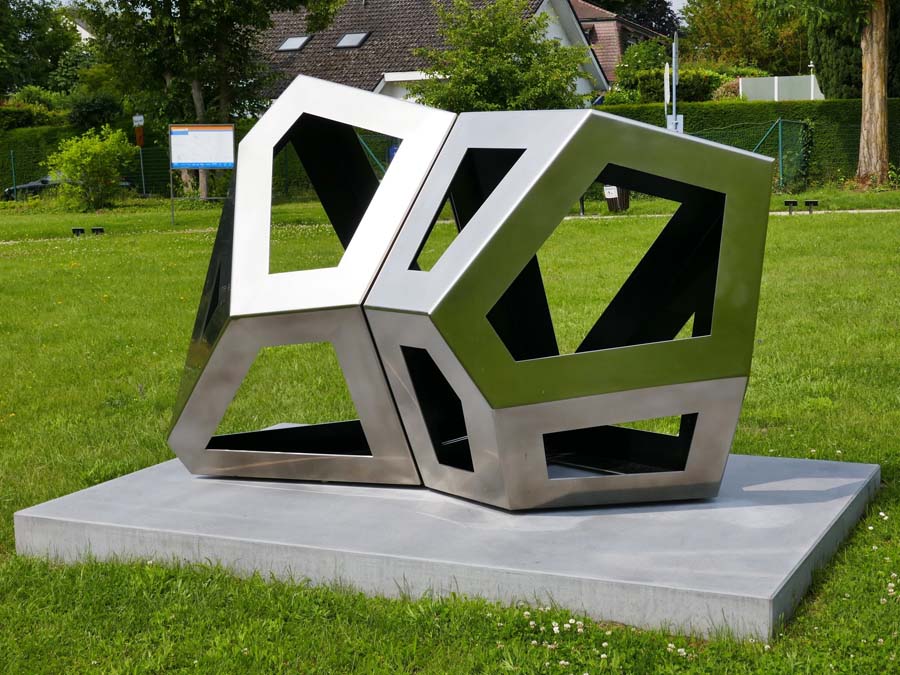
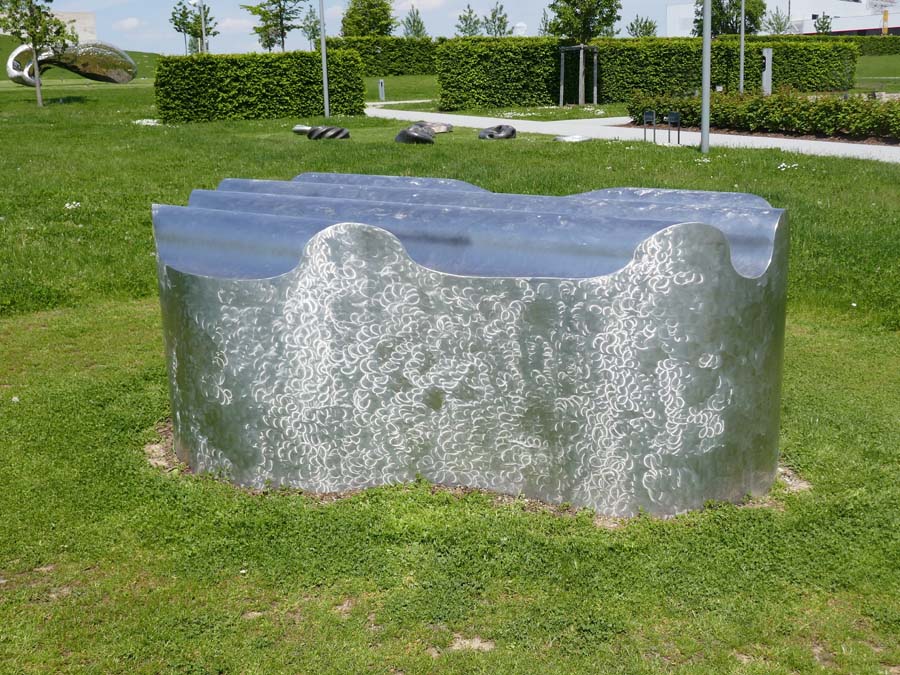
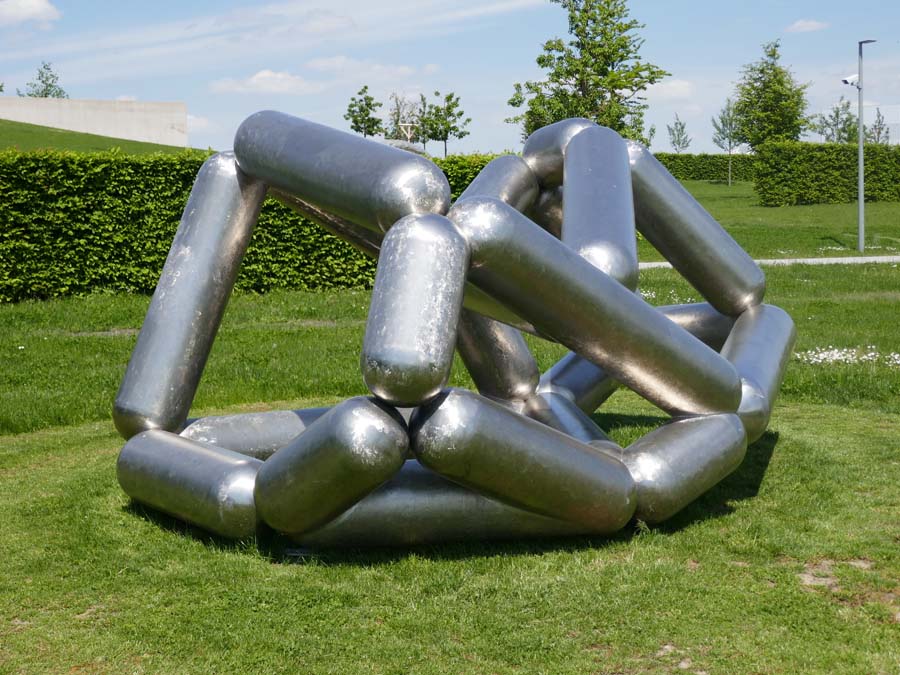
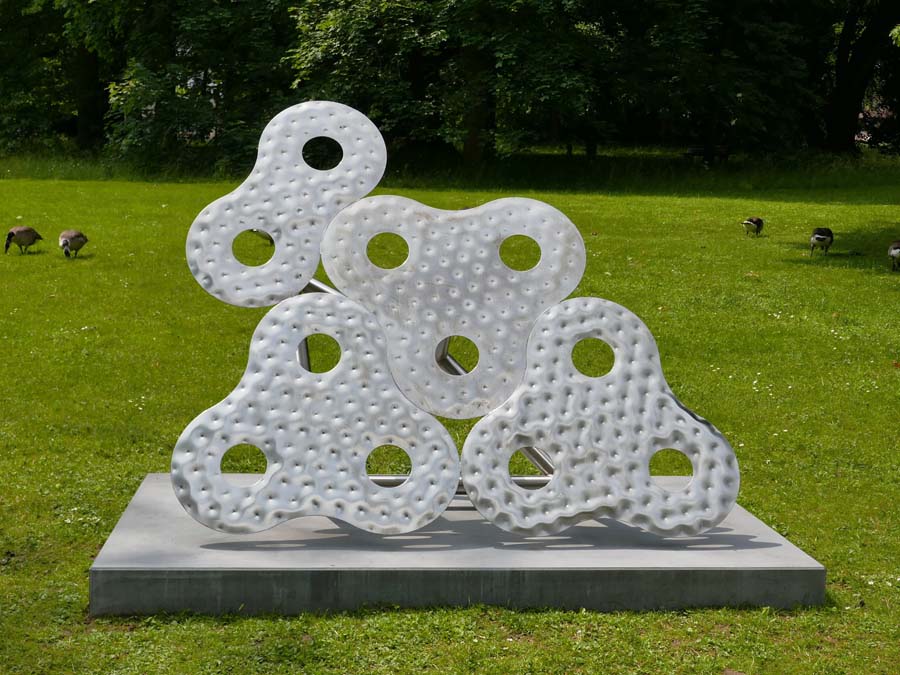
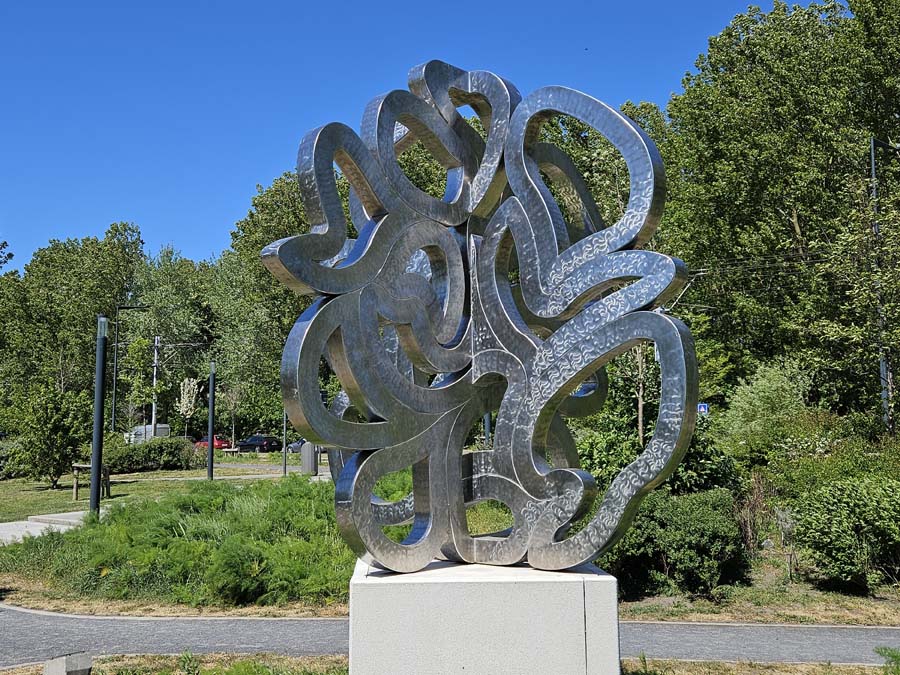
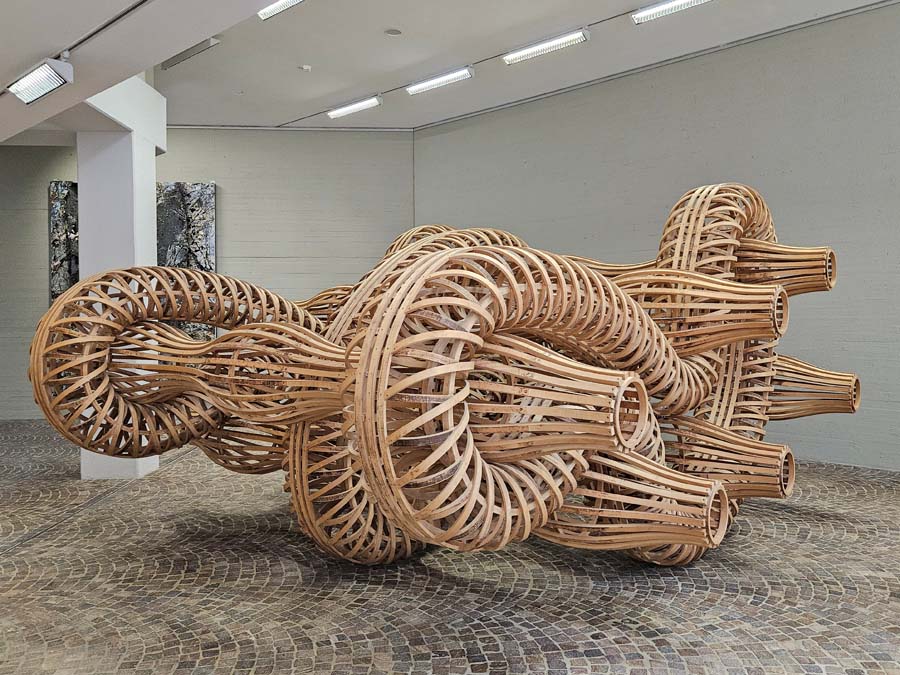
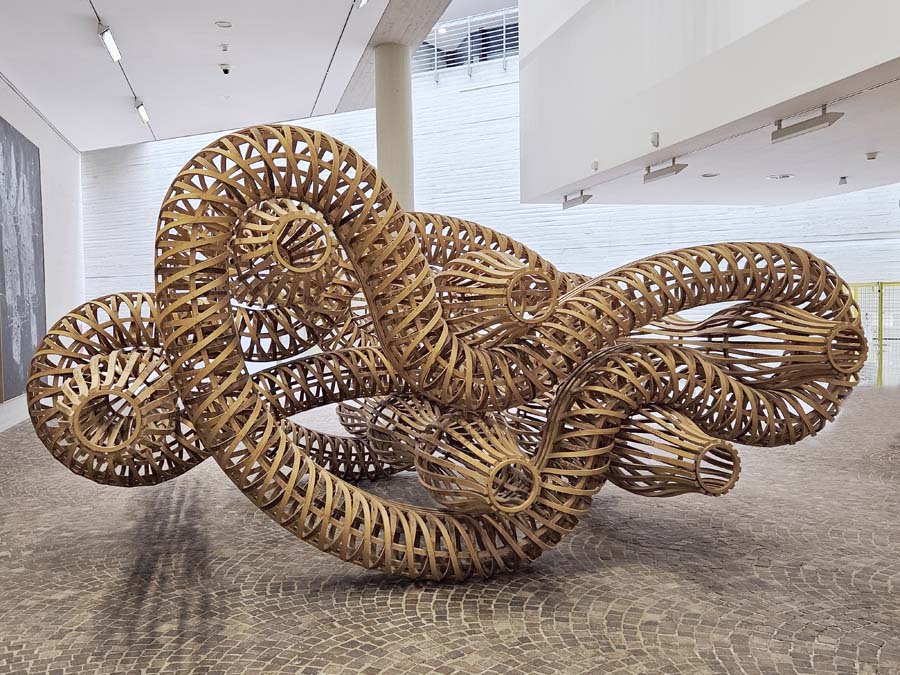
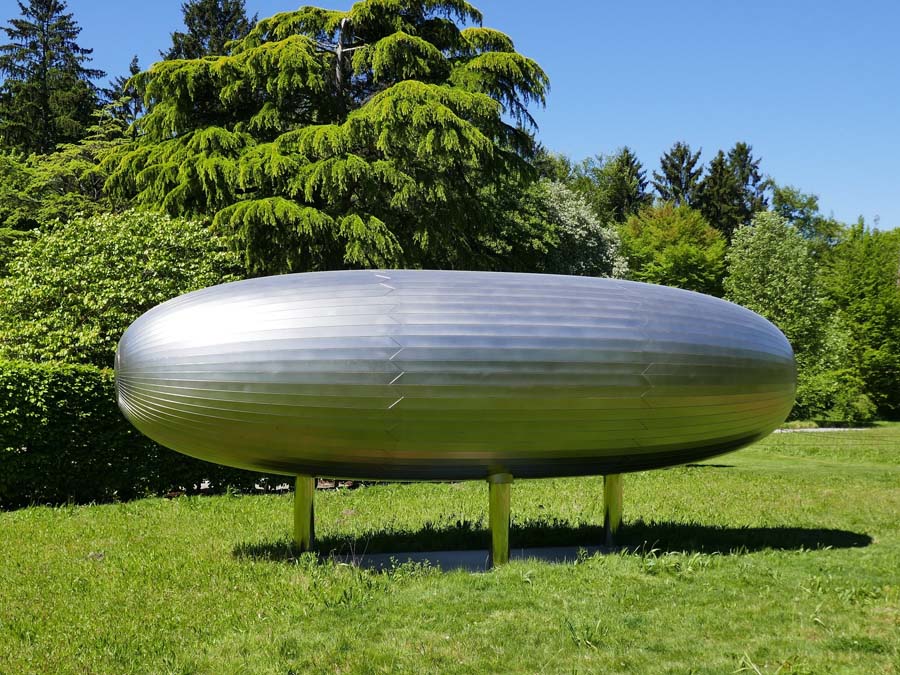
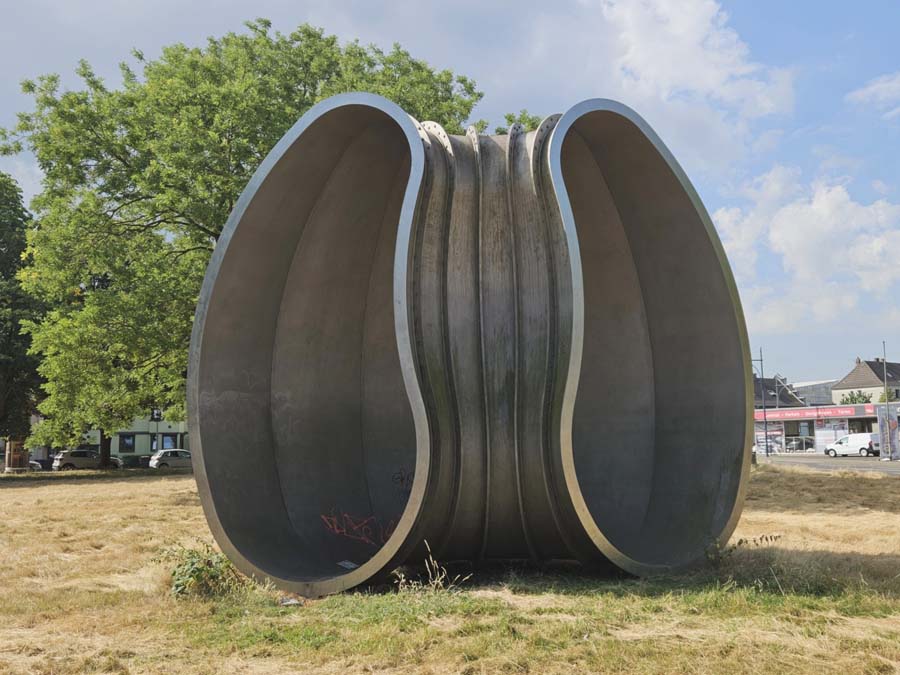
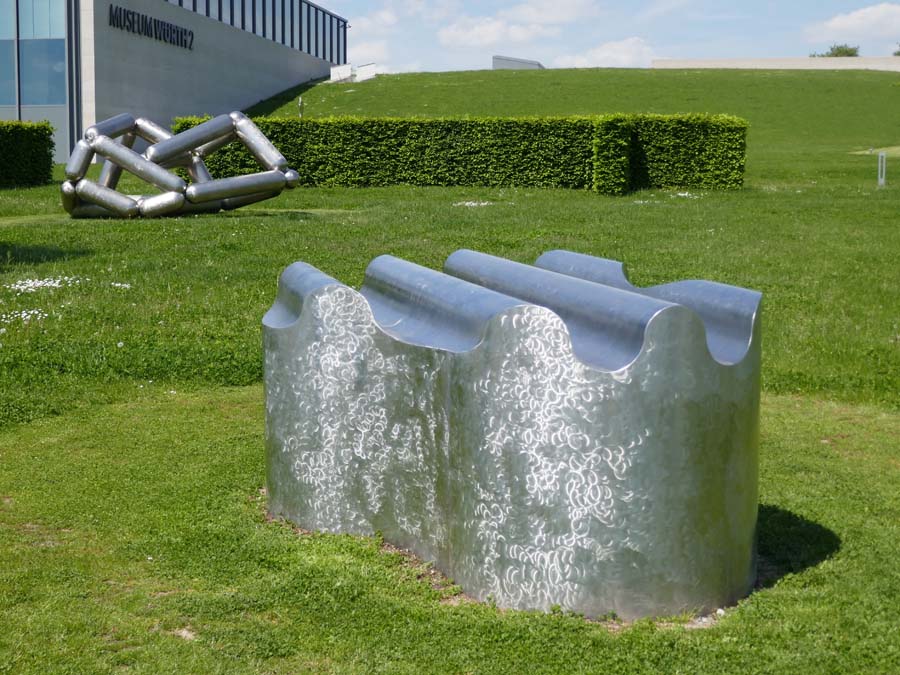
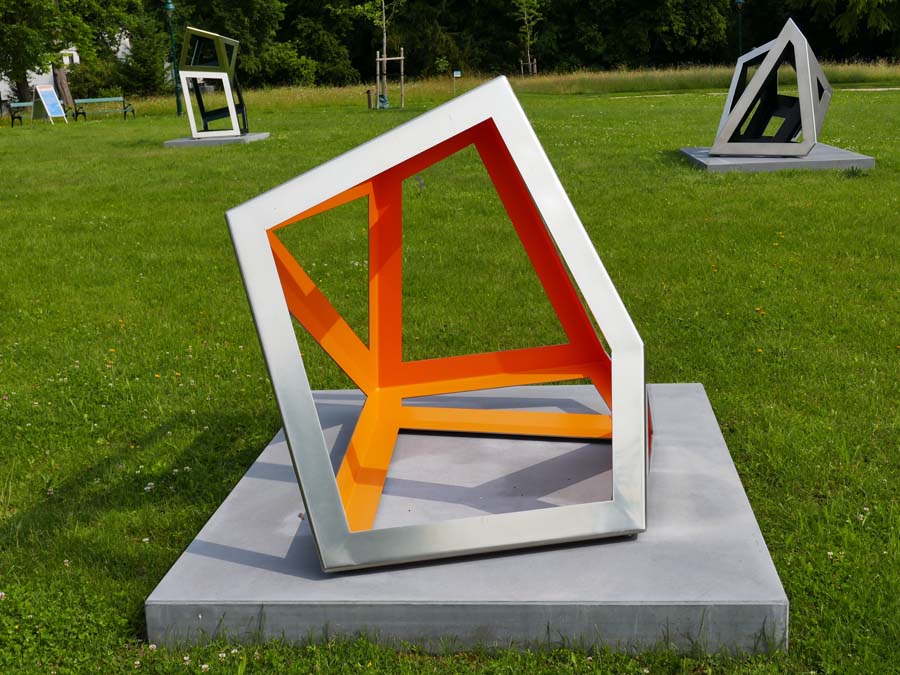
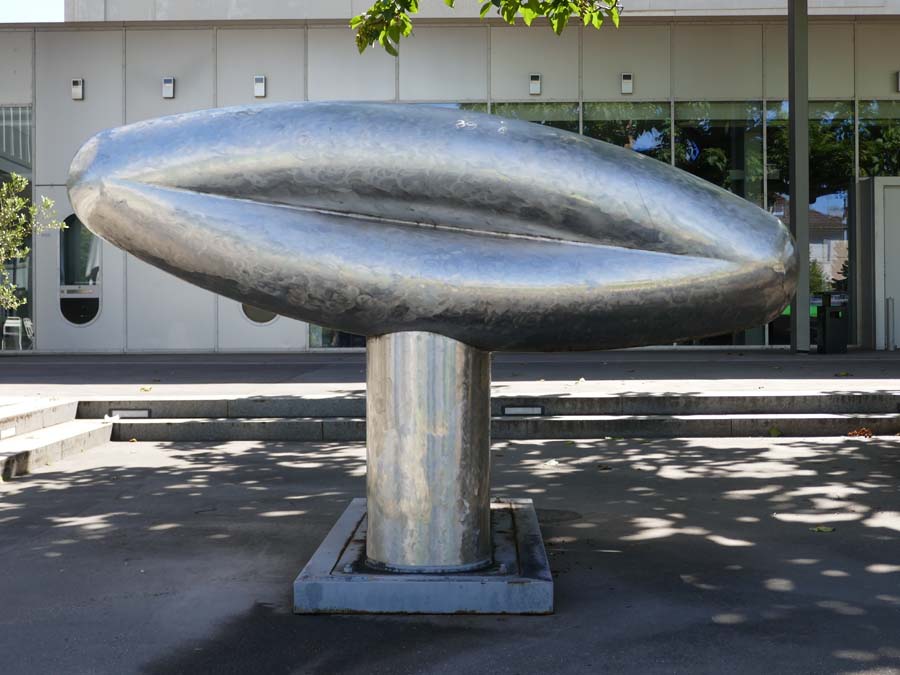
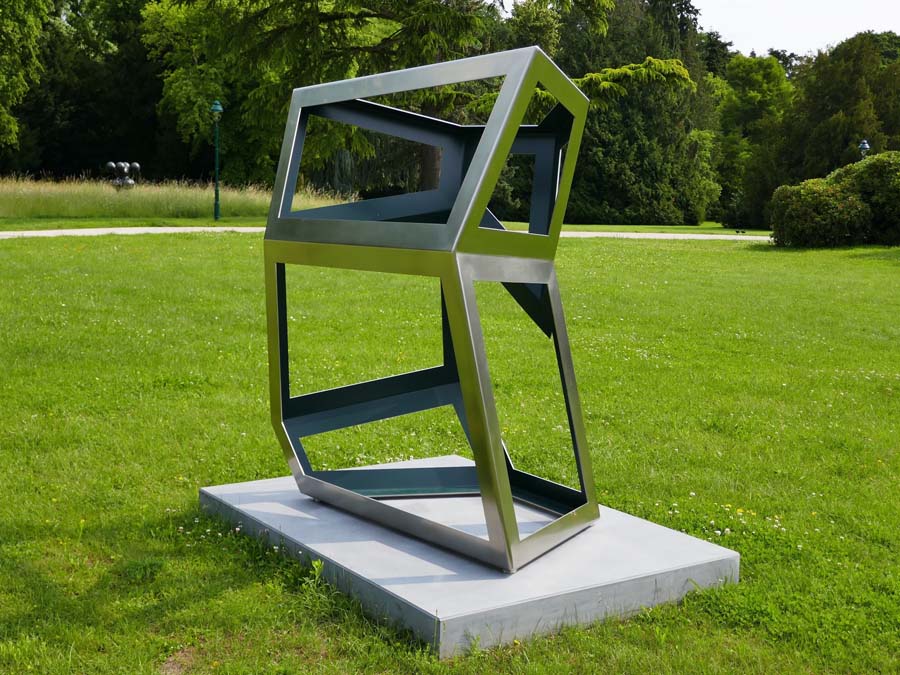
Richard Deacon has been one of the most important artists in British sculpture since winning the Turner Prize in 1987. He works with a wide range of materials (wood, stainless steel, aluminum, ceramic, PVC, leather and more) and does not see himself as a traditional sculptor, but rather as a fabricator. Many of his works deliberately reveal the traces of fabrication; the constructions, which often appear solid from a distance, show on closer inspection how the individual parts are held together (glue, screws, bolts, rivets or seams).
Deacon’s large-scale works – often lying on the floor without a pedestal – invite viewers to walk around the sculptures and experience them from different perspectives. The artist generally avoids fixed or closed forms; the question of how he could pack the largest possible “holes” into solid bodies resulted in skeletal constructions that are theoretically infinitely extendable. The titles of the sculptures are taken from common parlance and transform the abstract forms into poetic symbols of everyday life.