Germany
* March 13, 1939 Czeluścin
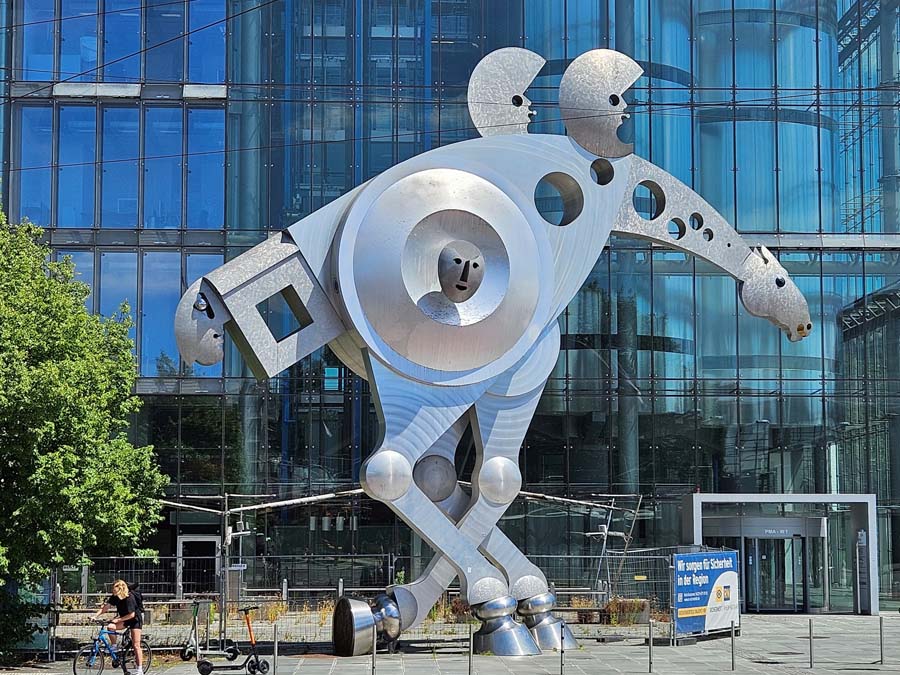
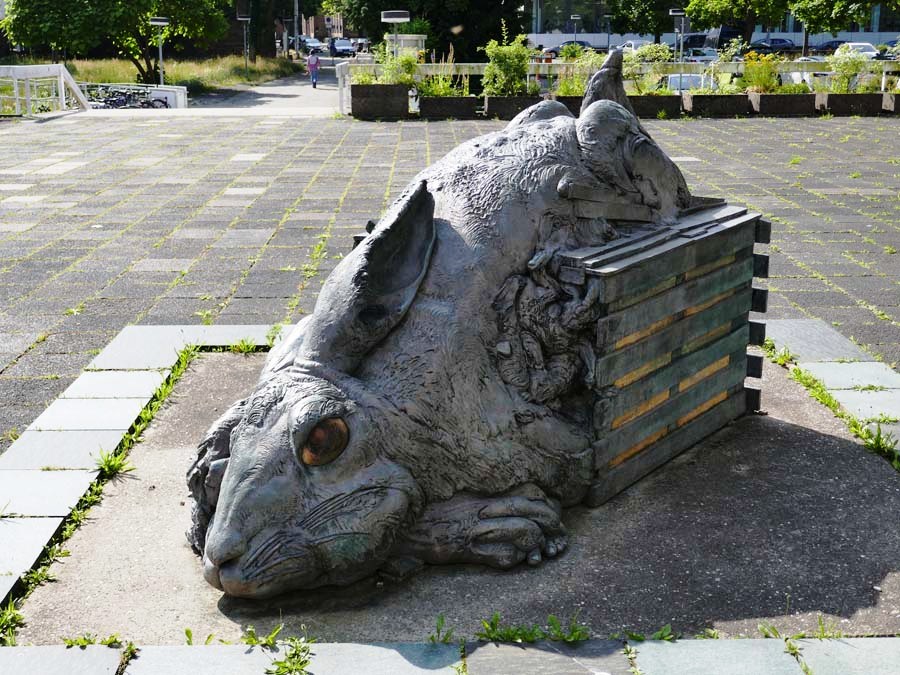
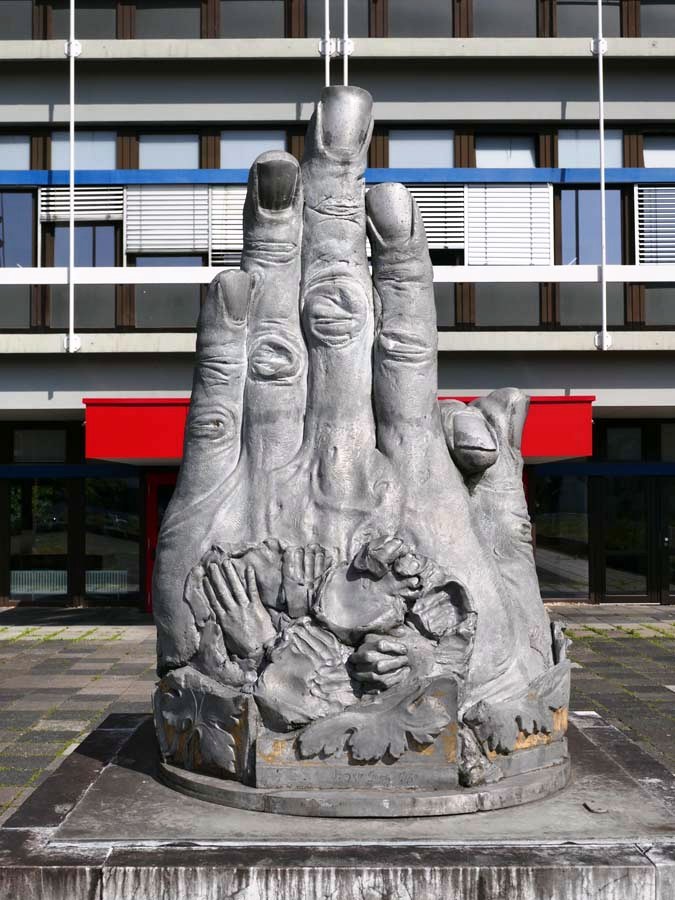
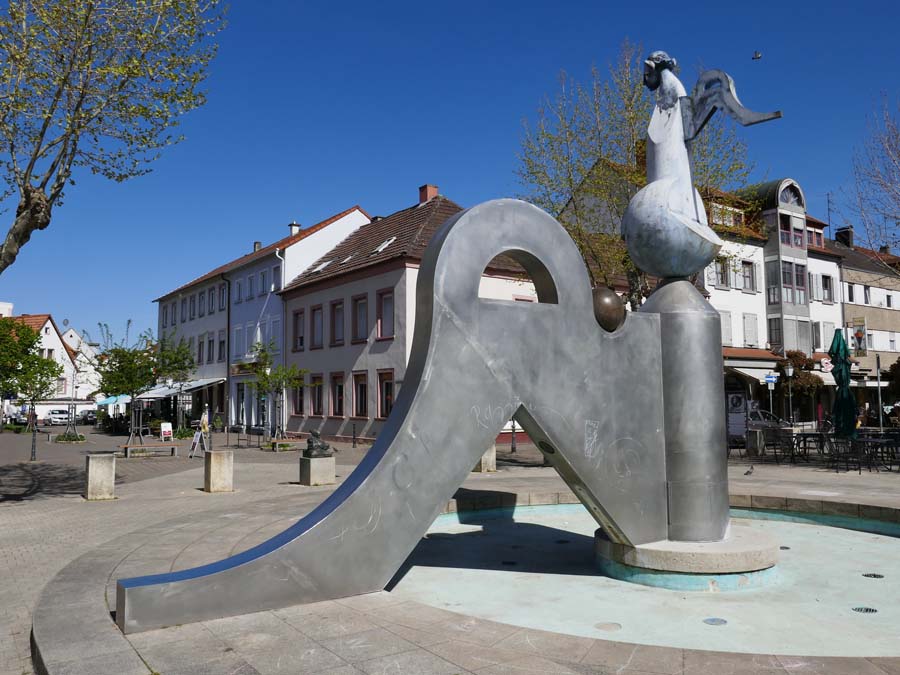
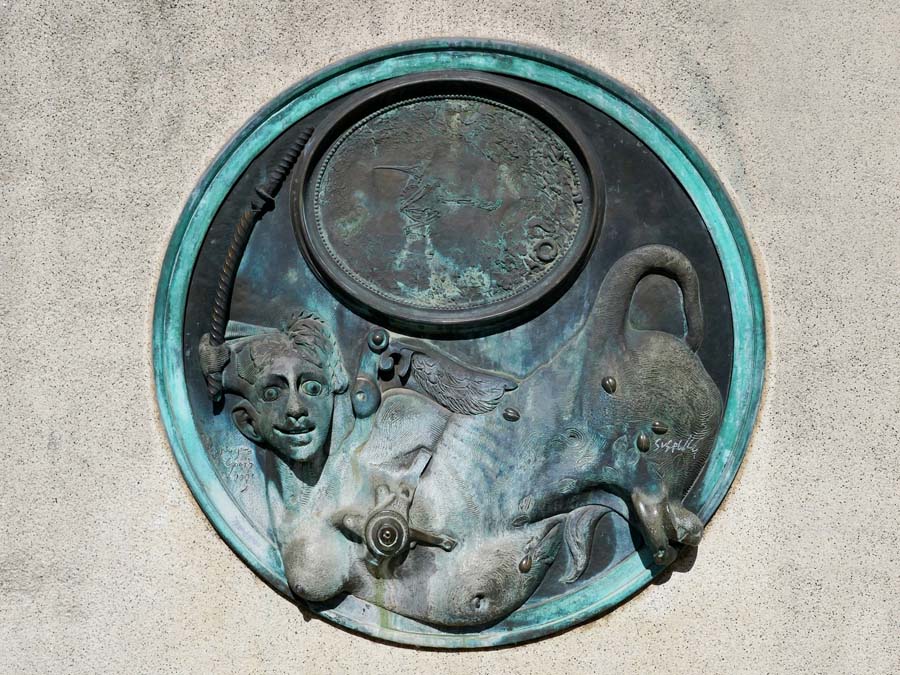
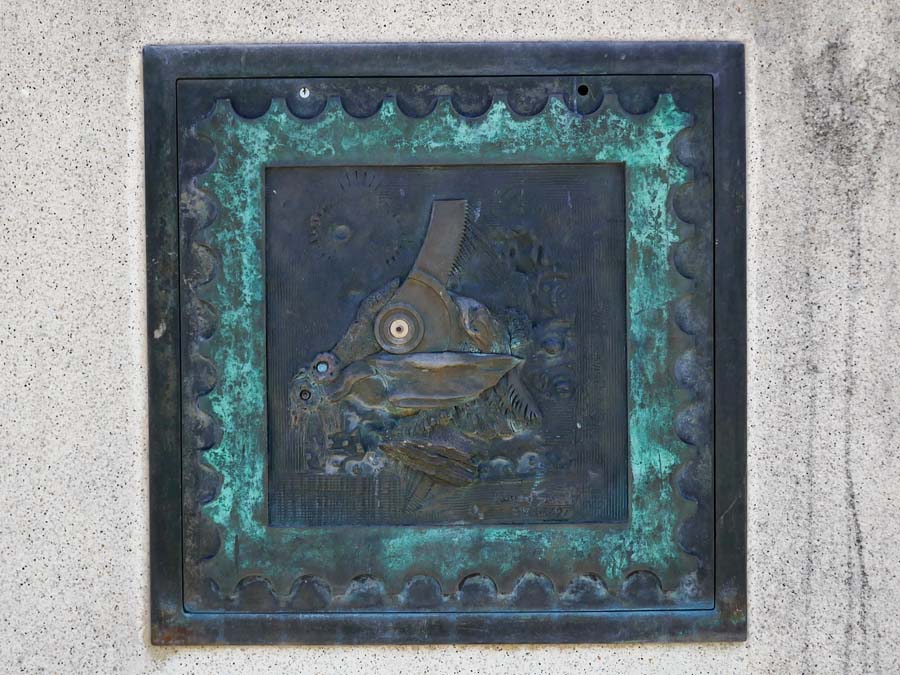
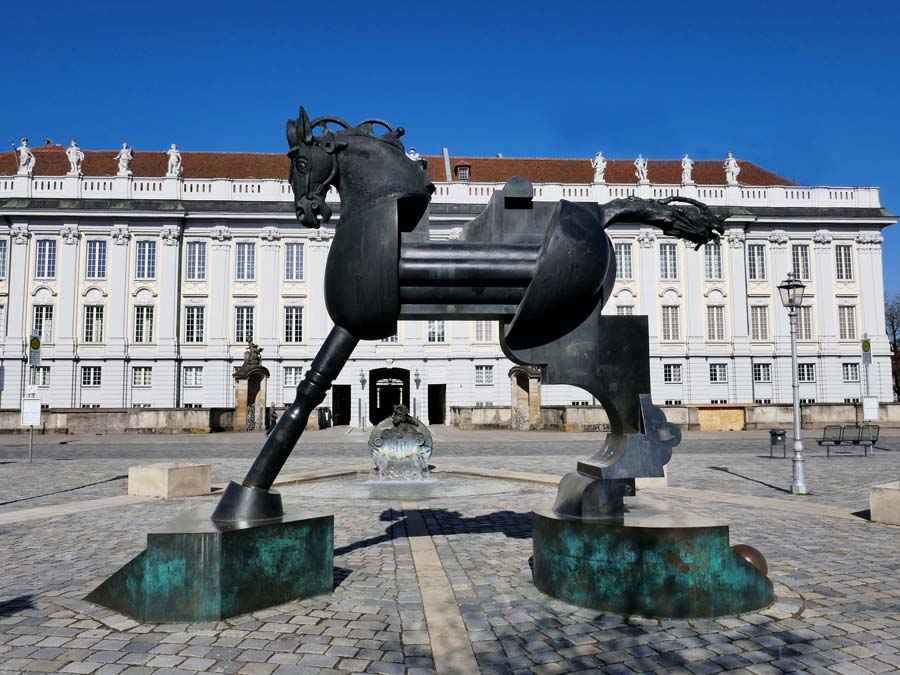
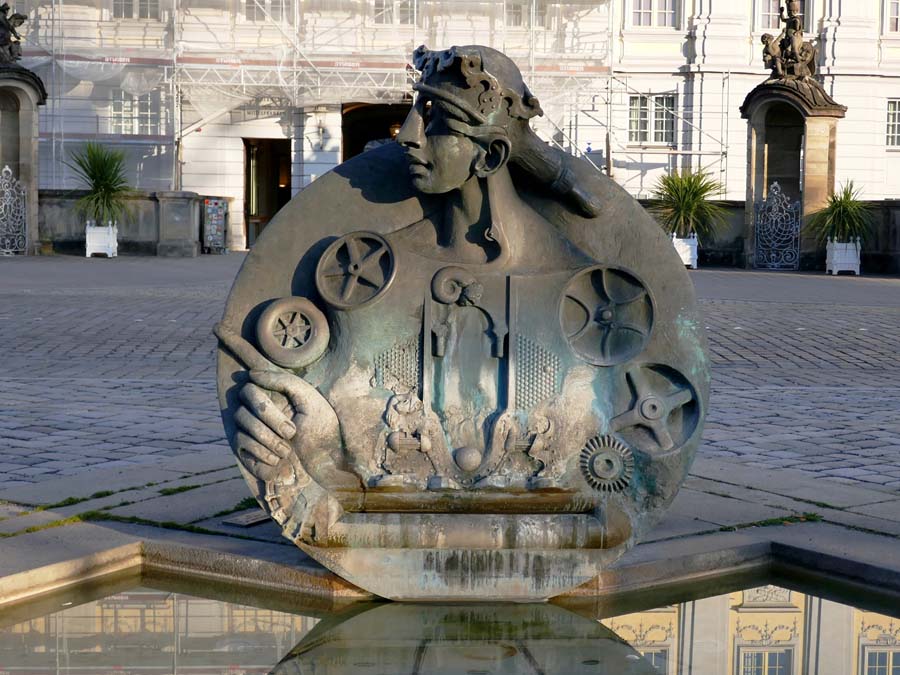
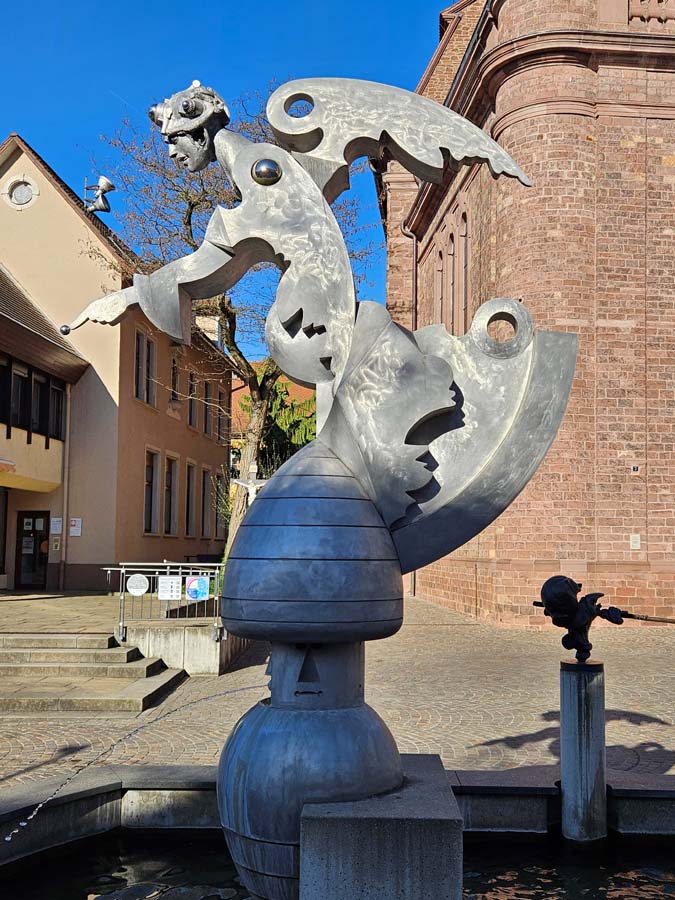
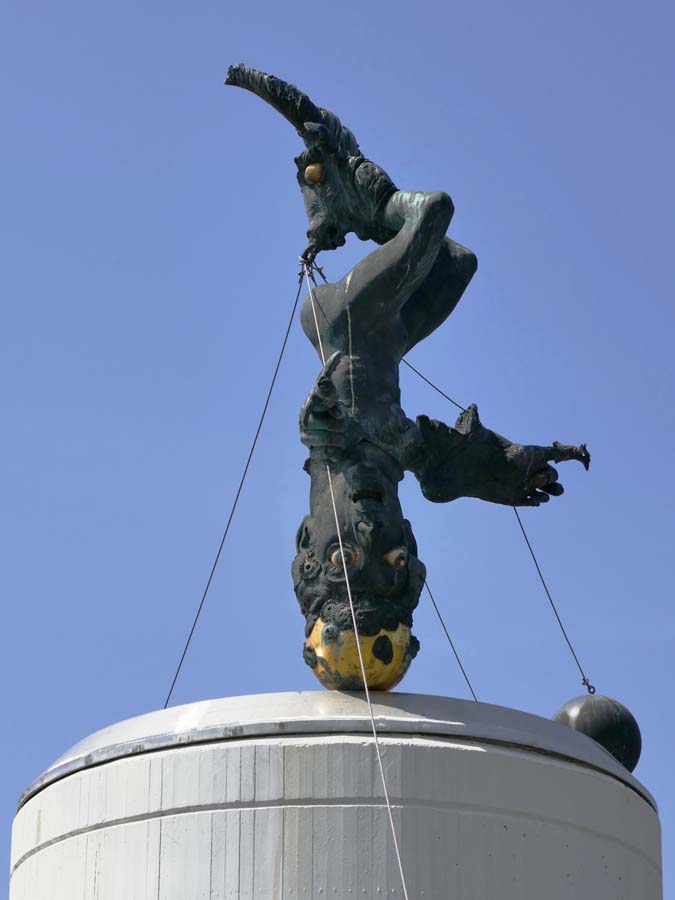
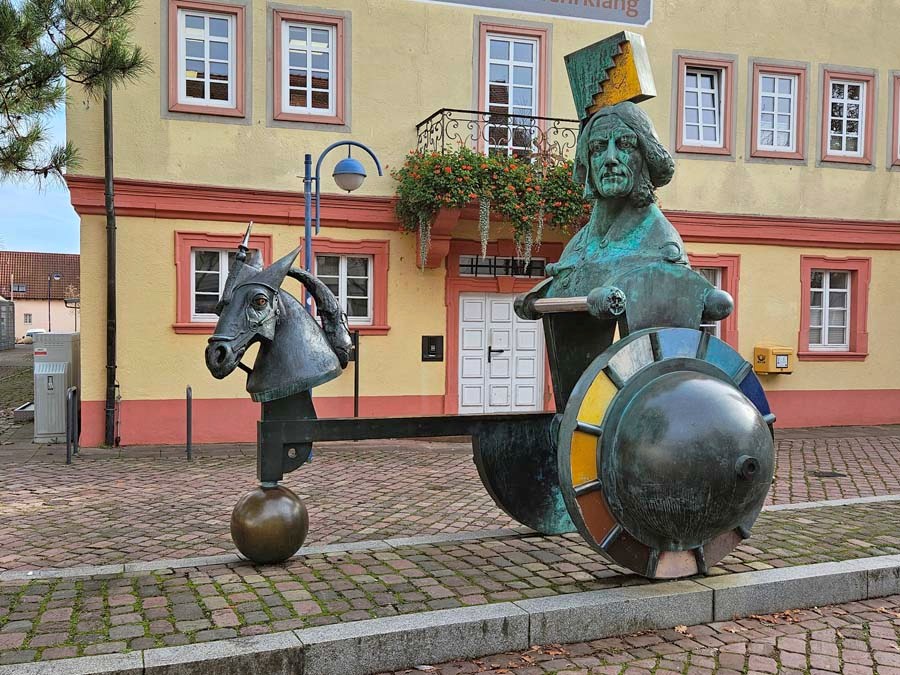
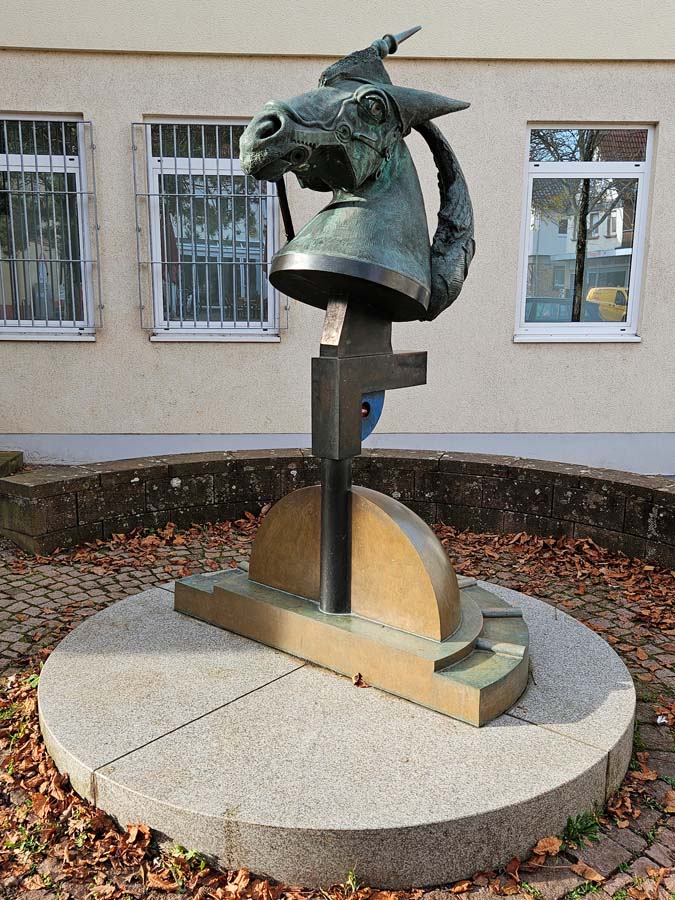
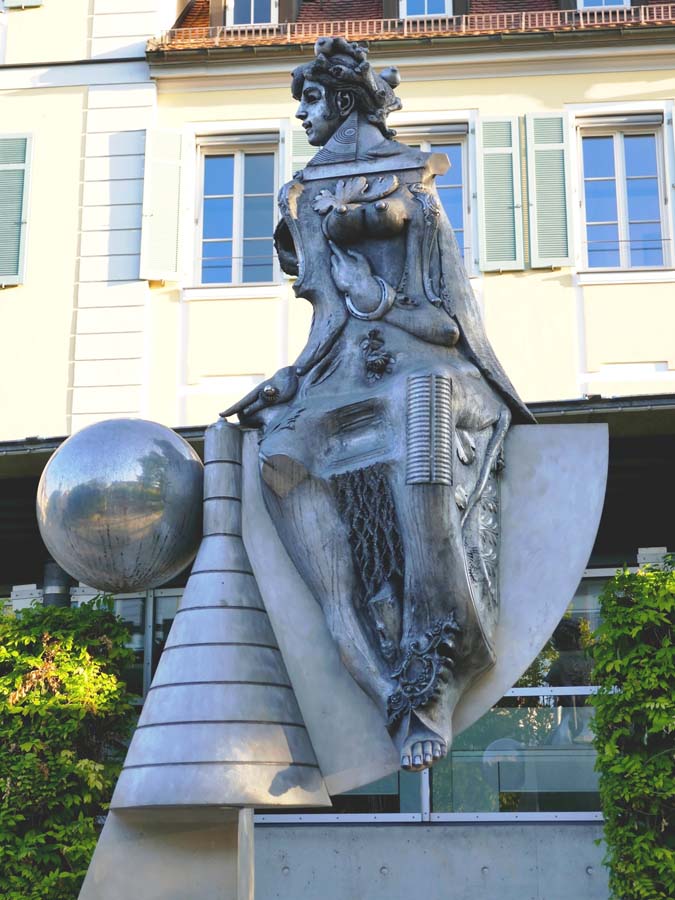
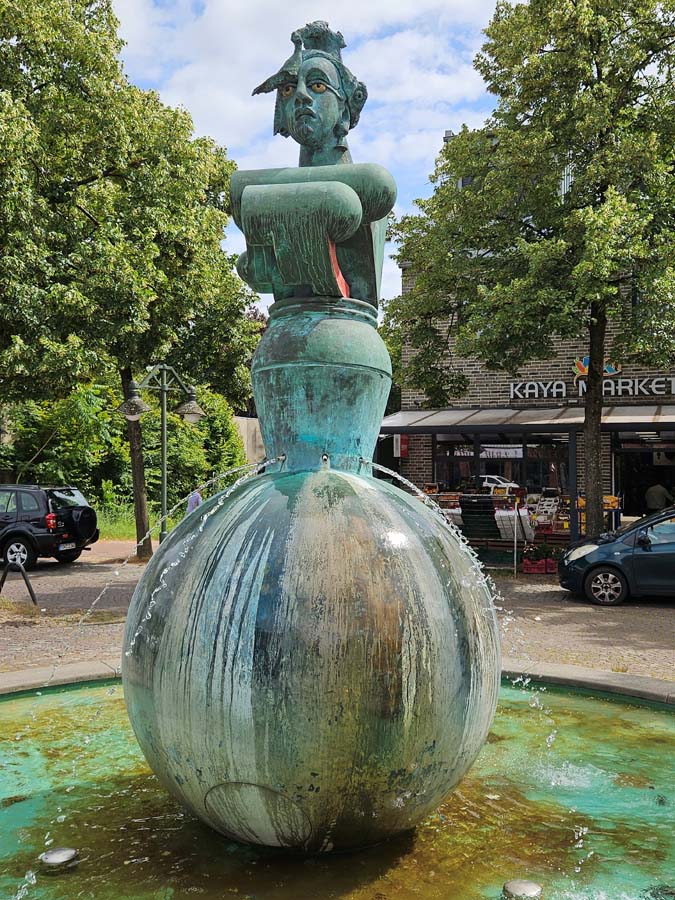
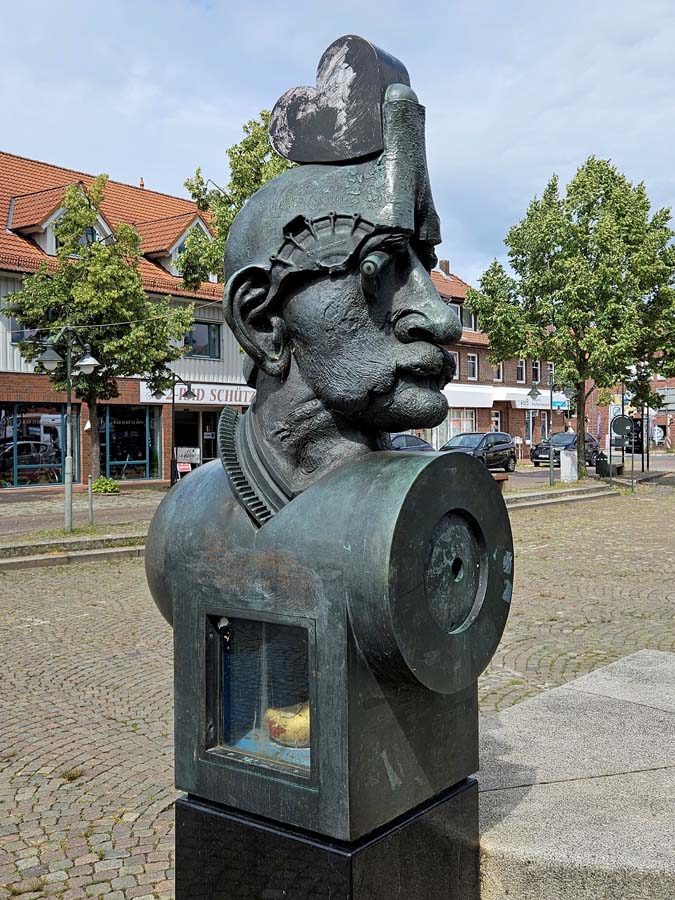
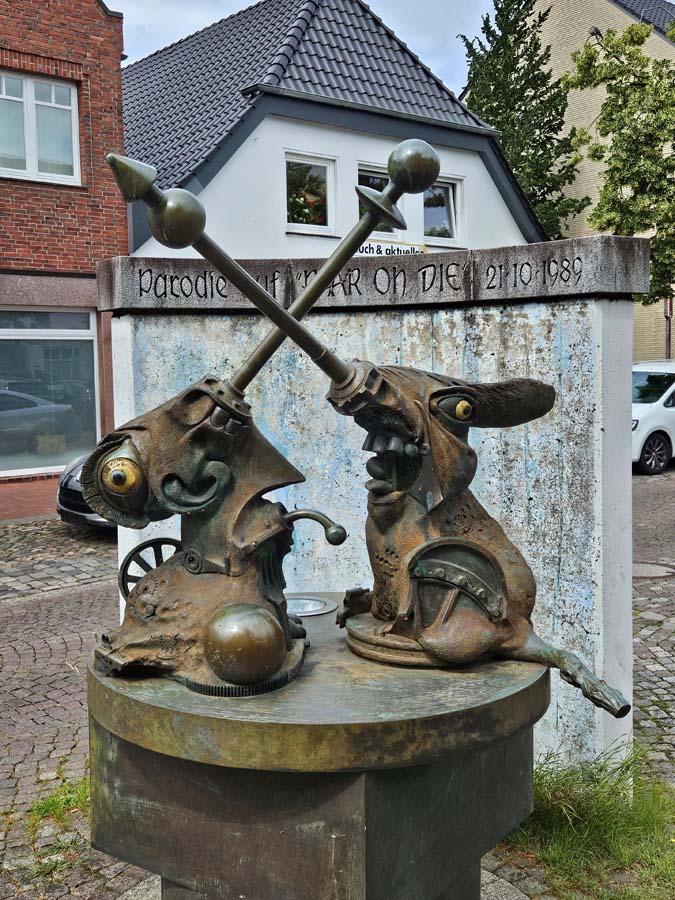
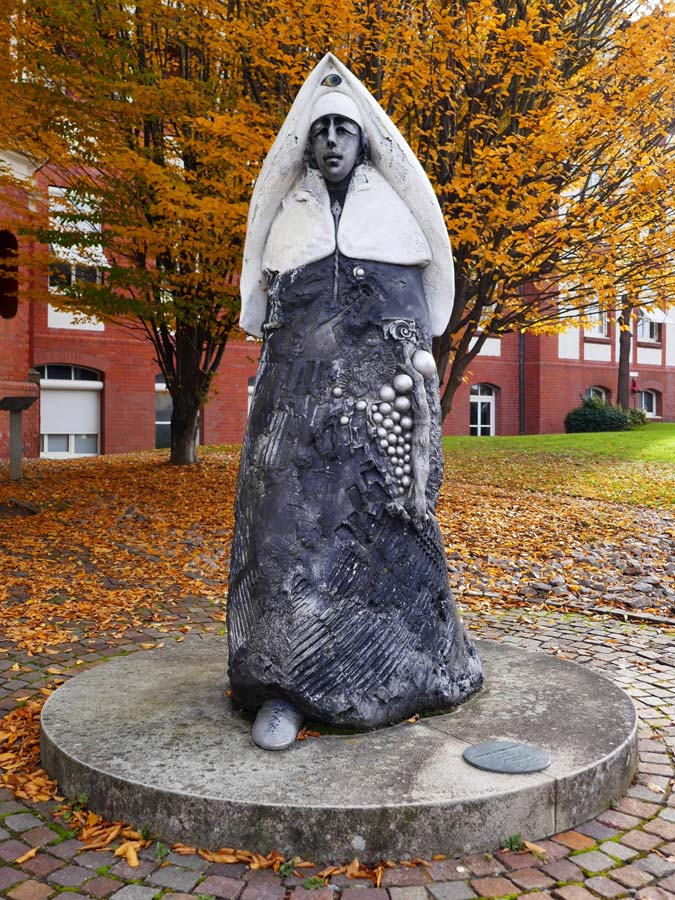
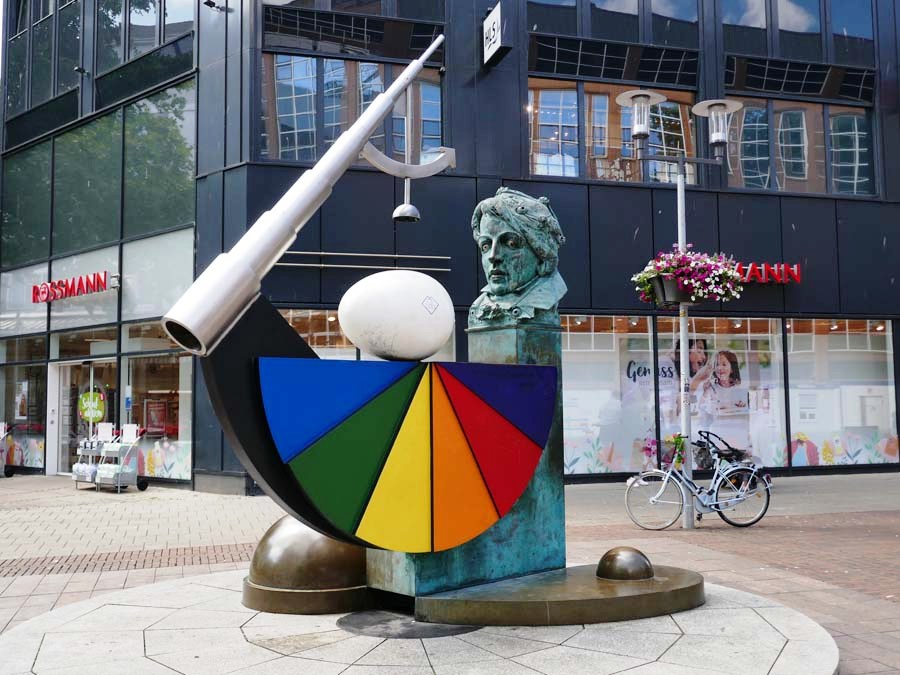
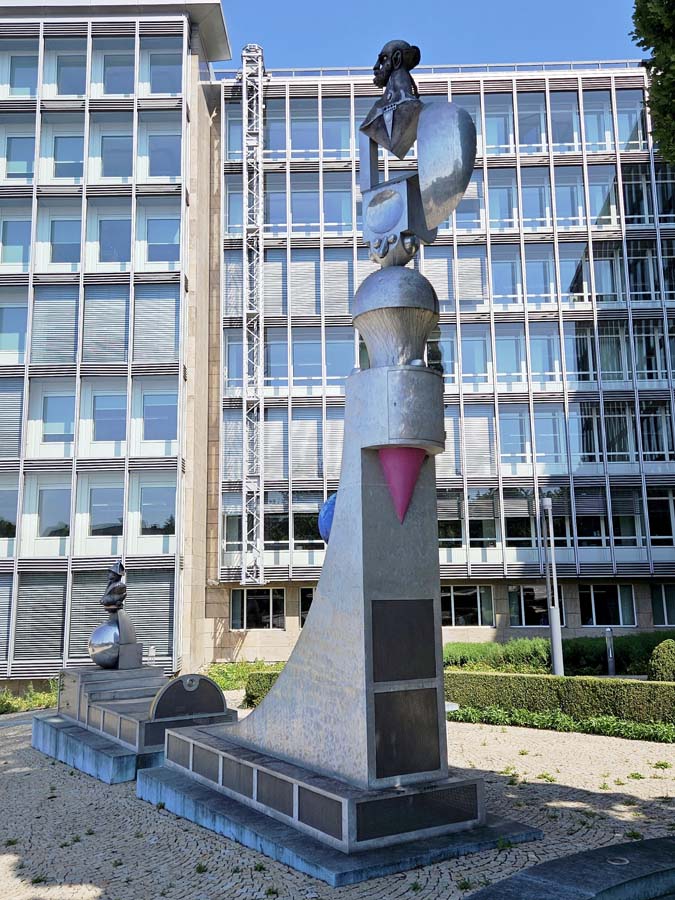
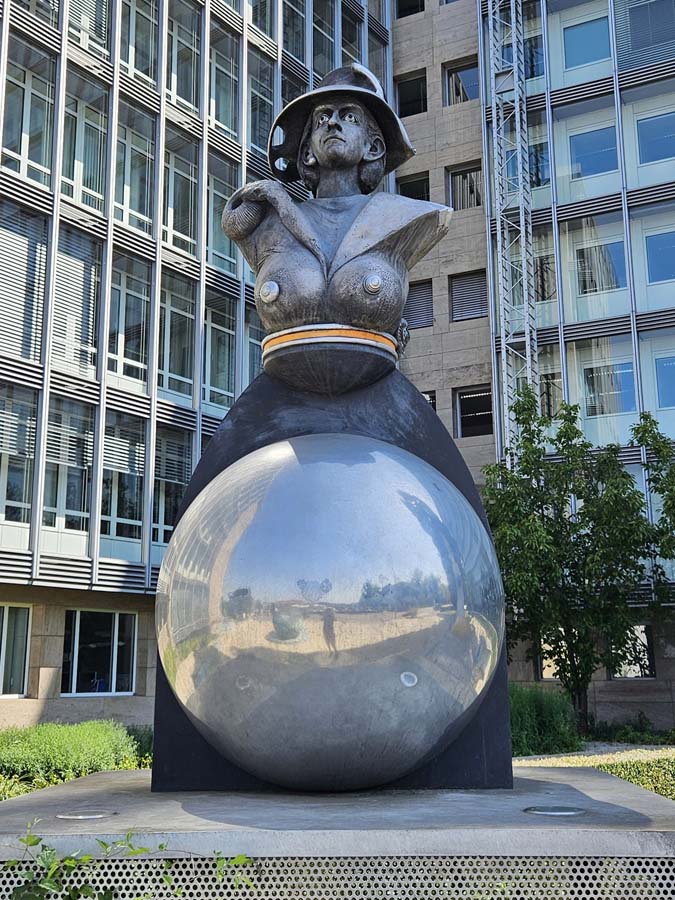
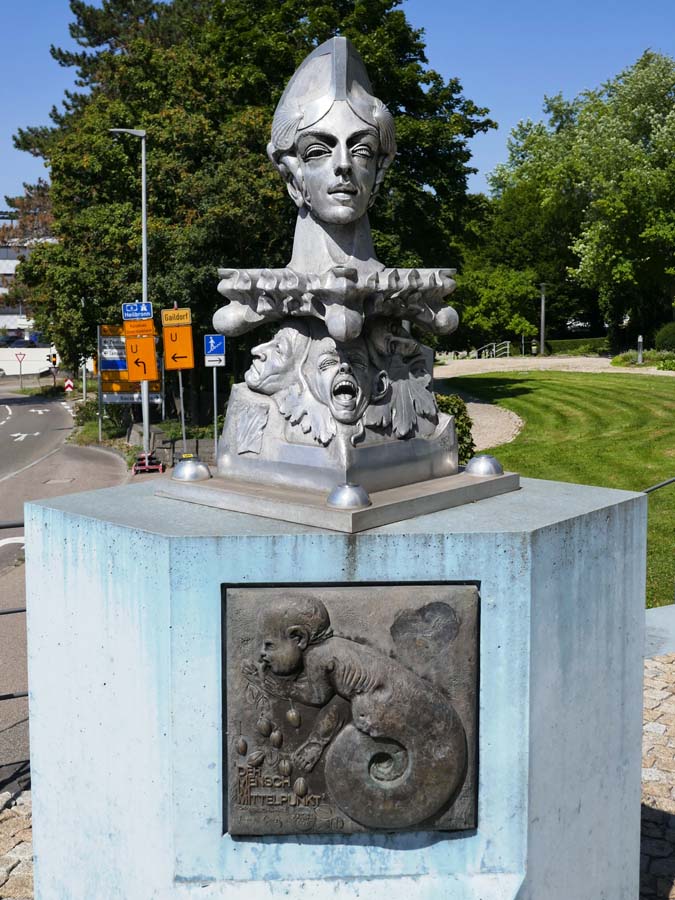
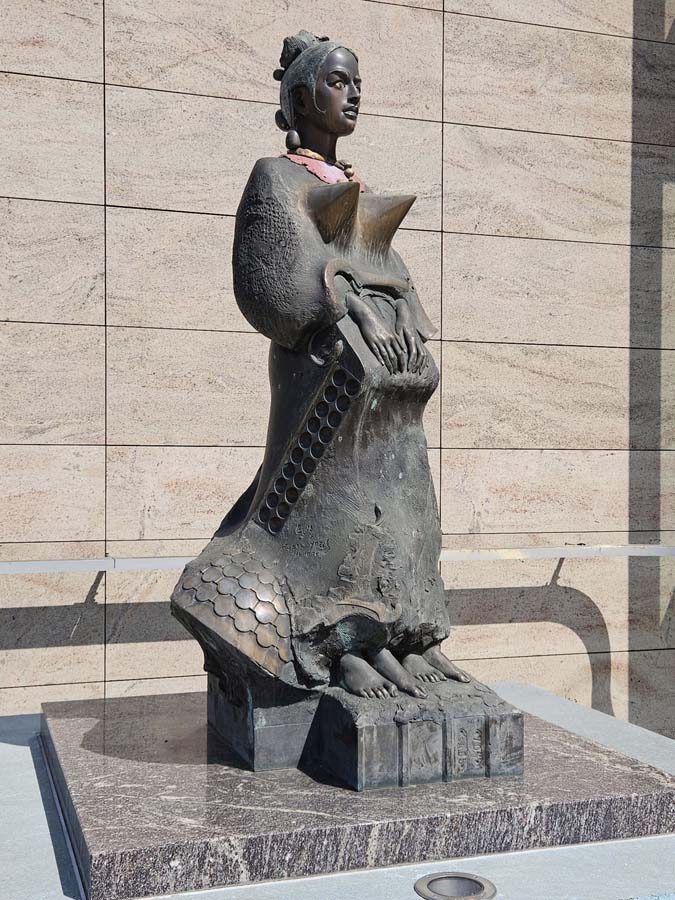
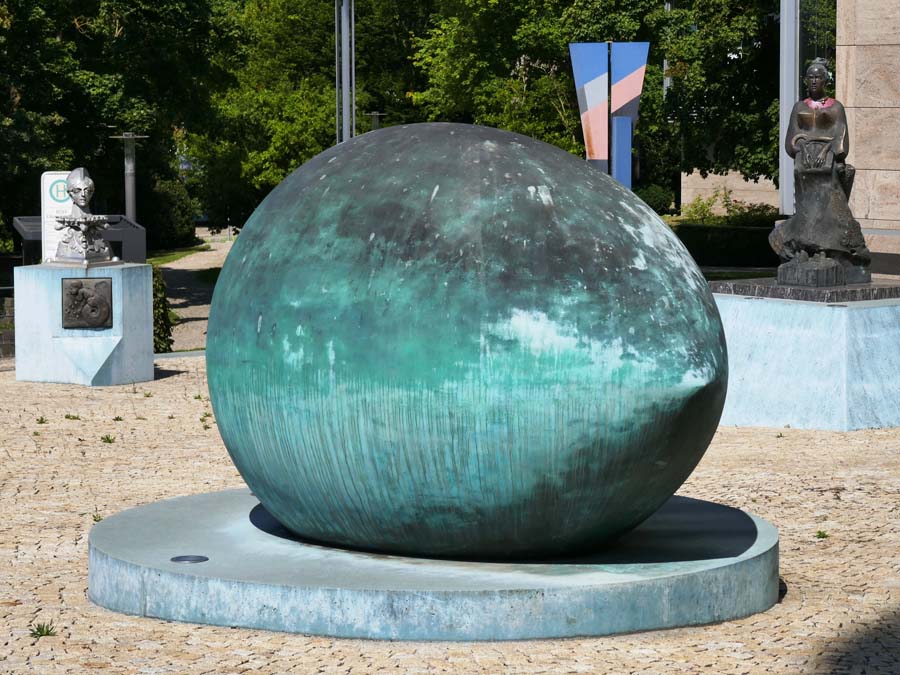
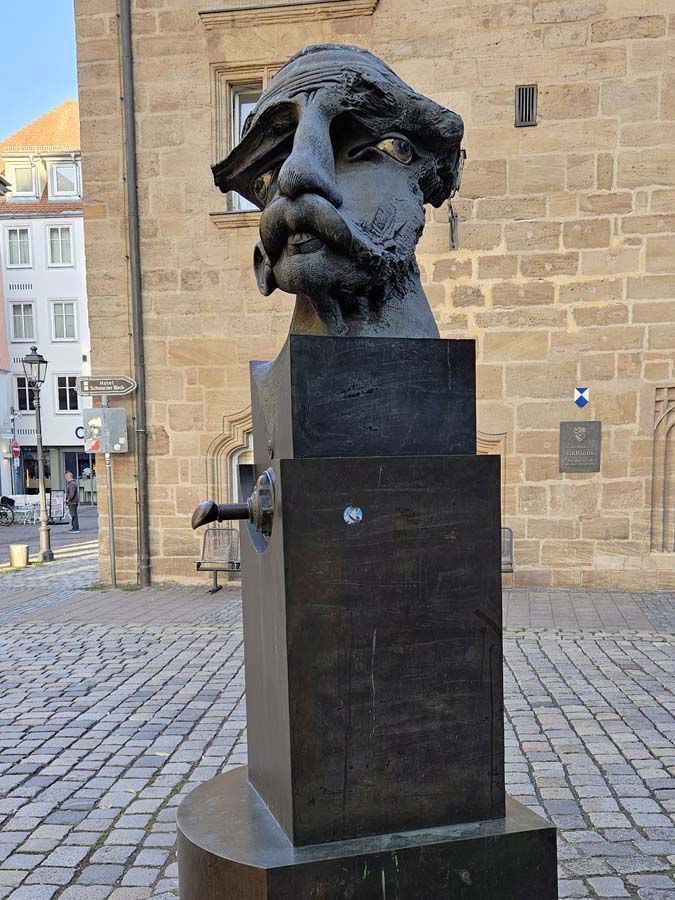
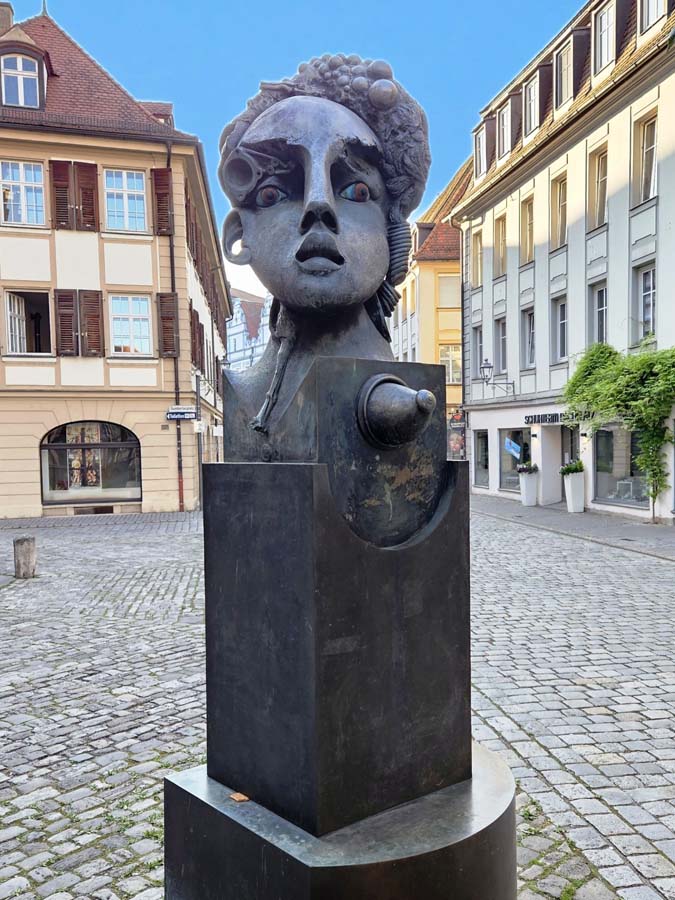
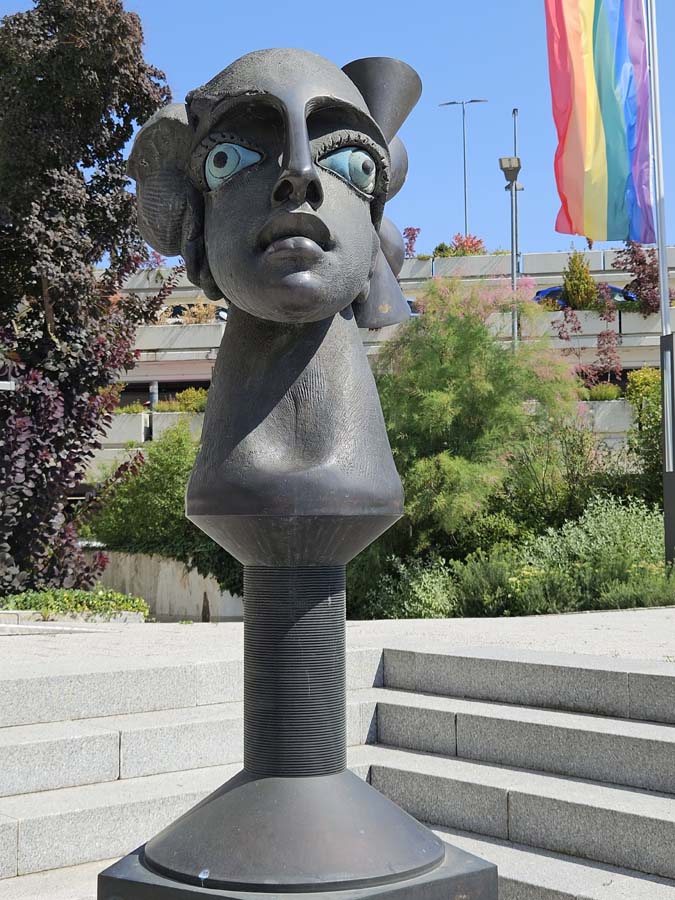
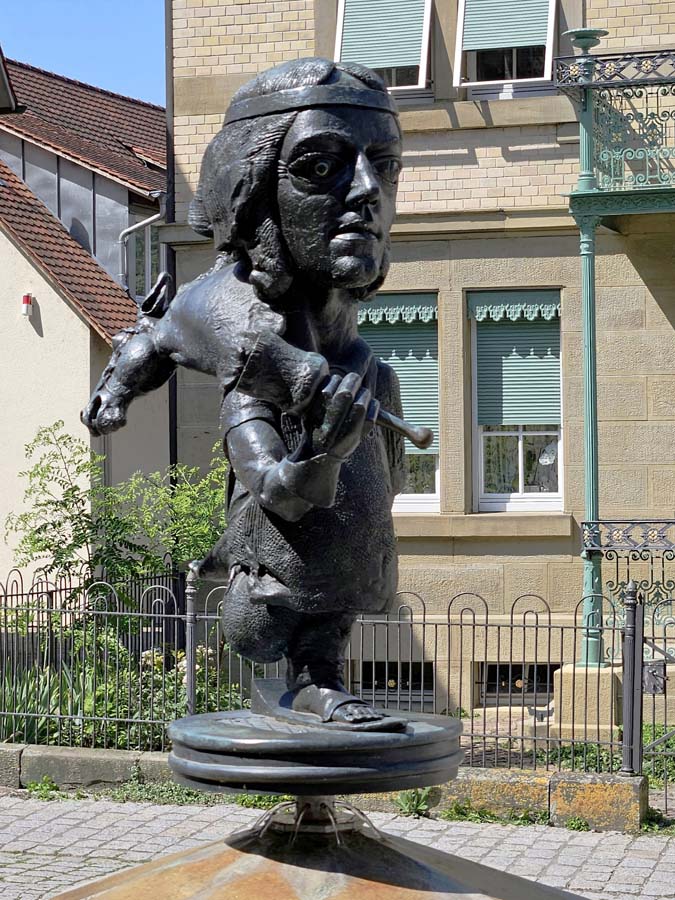
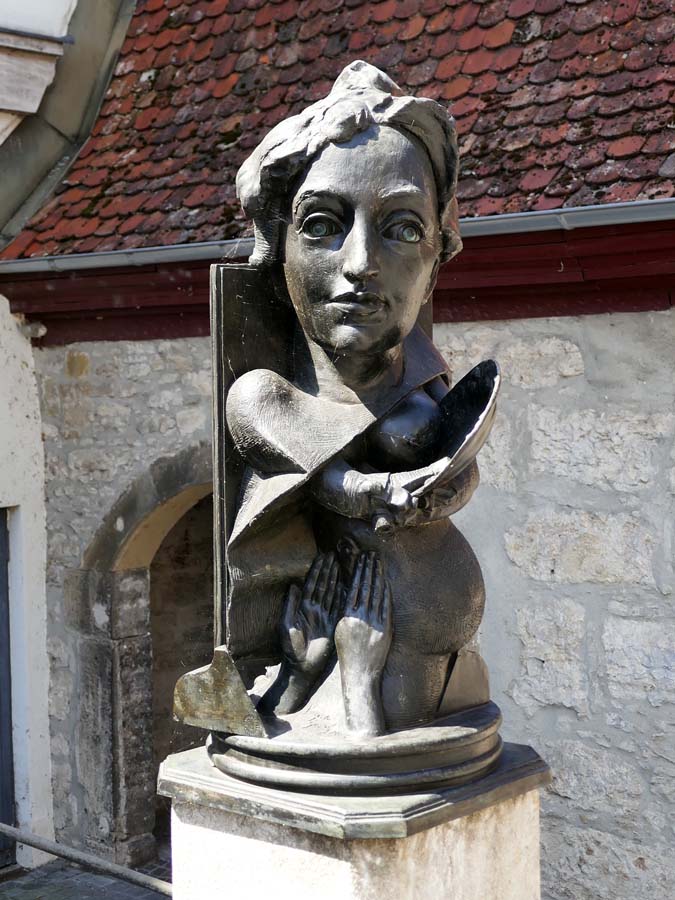
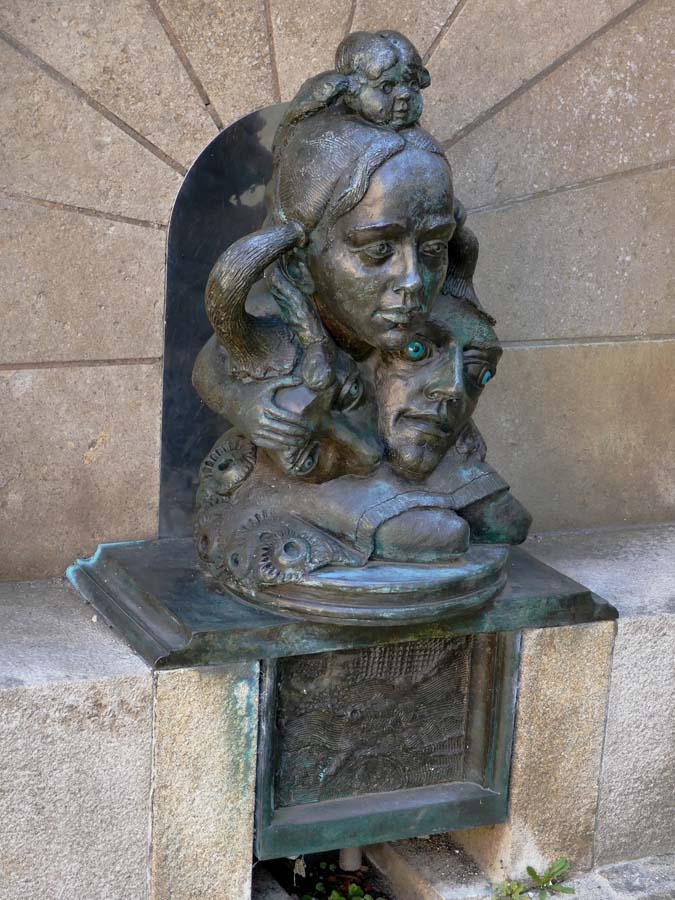
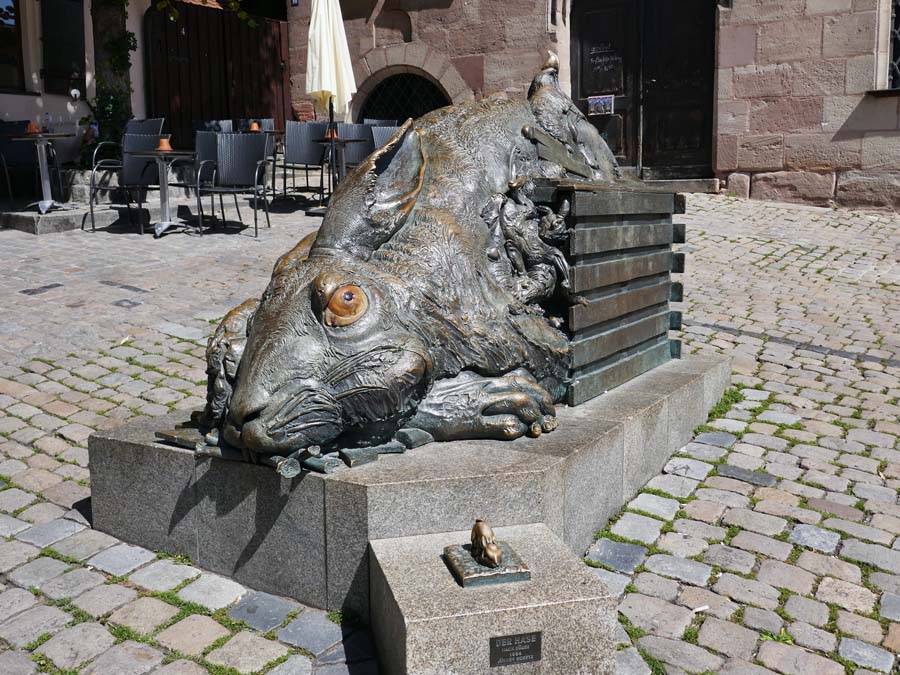
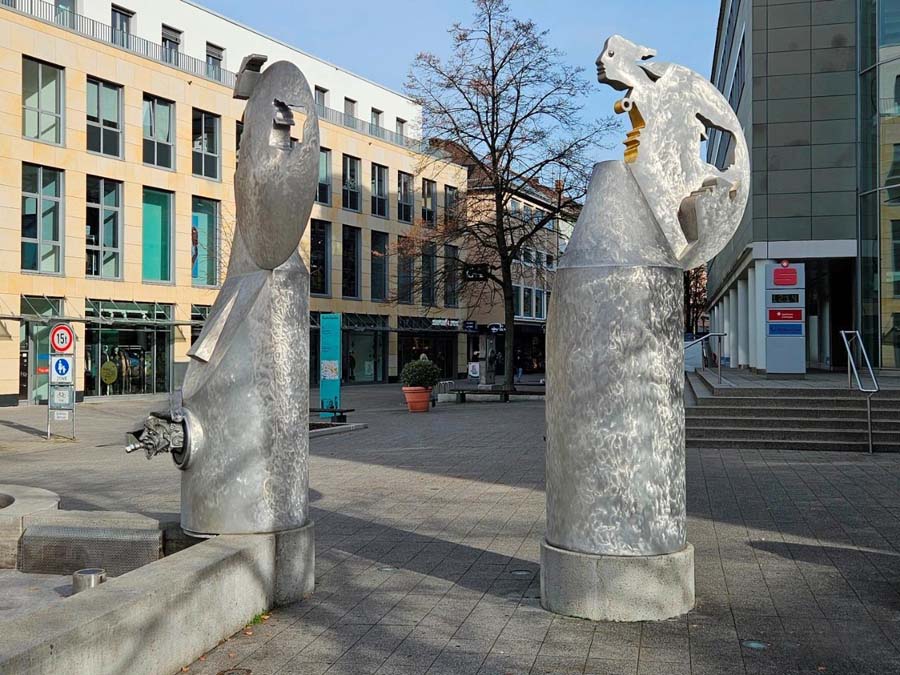
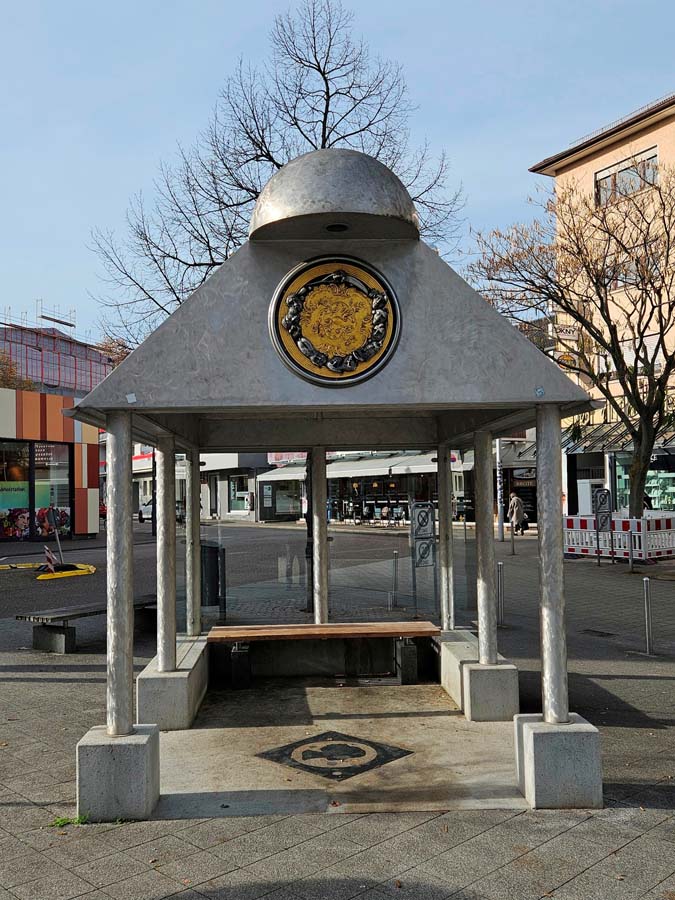
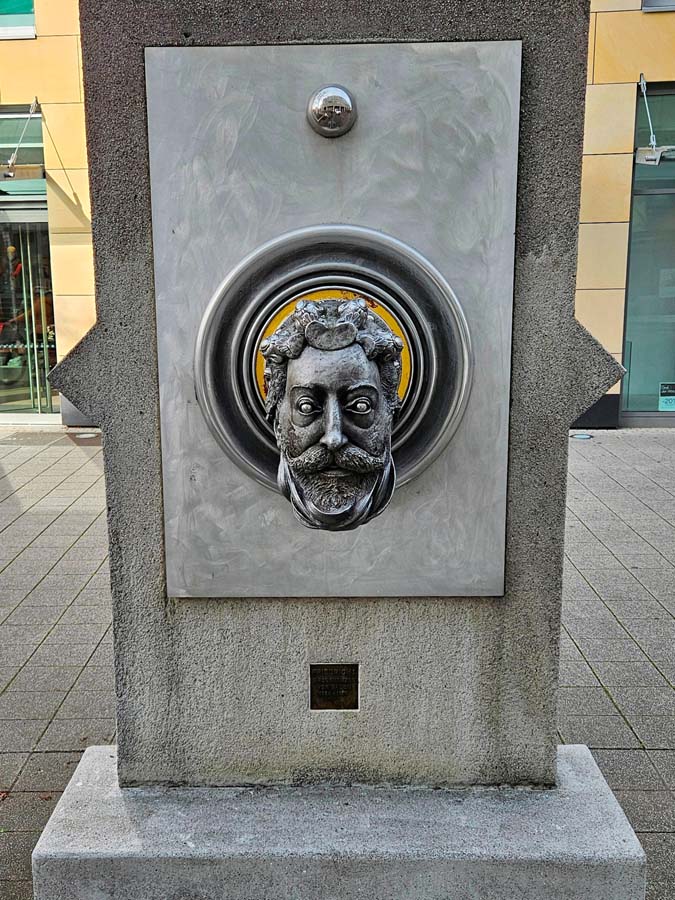
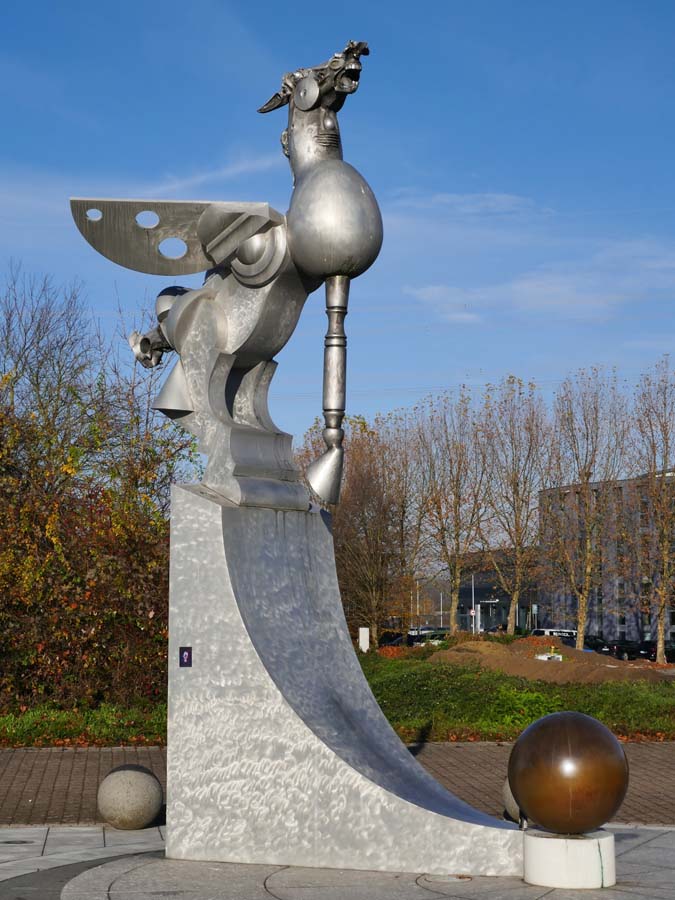
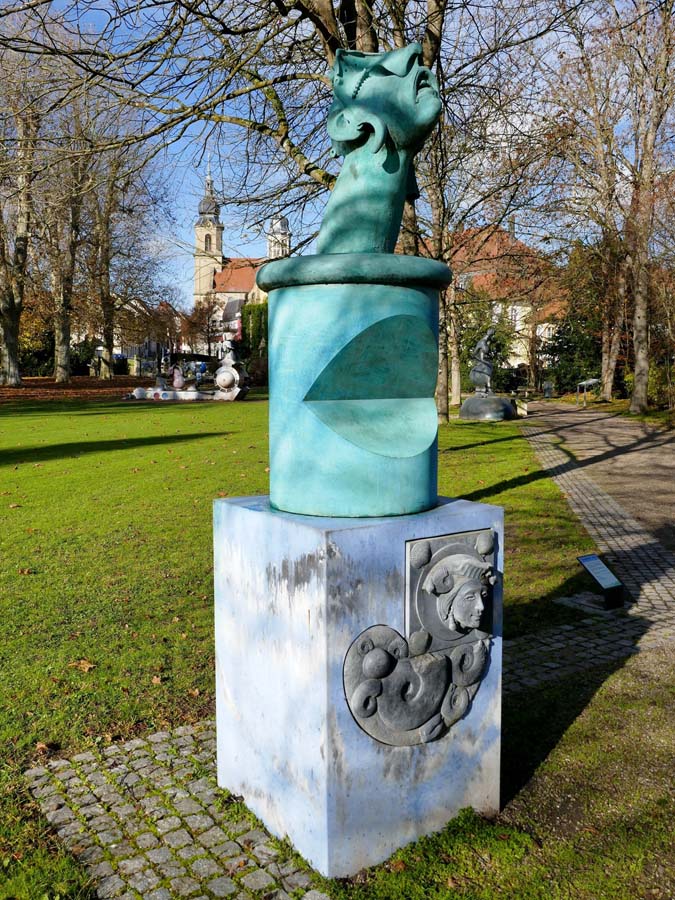
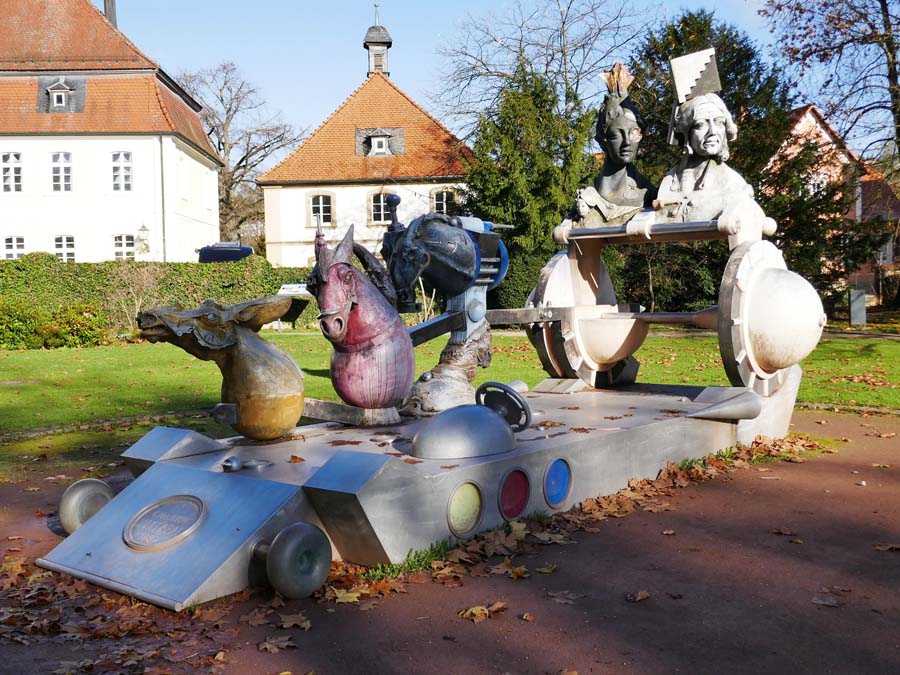
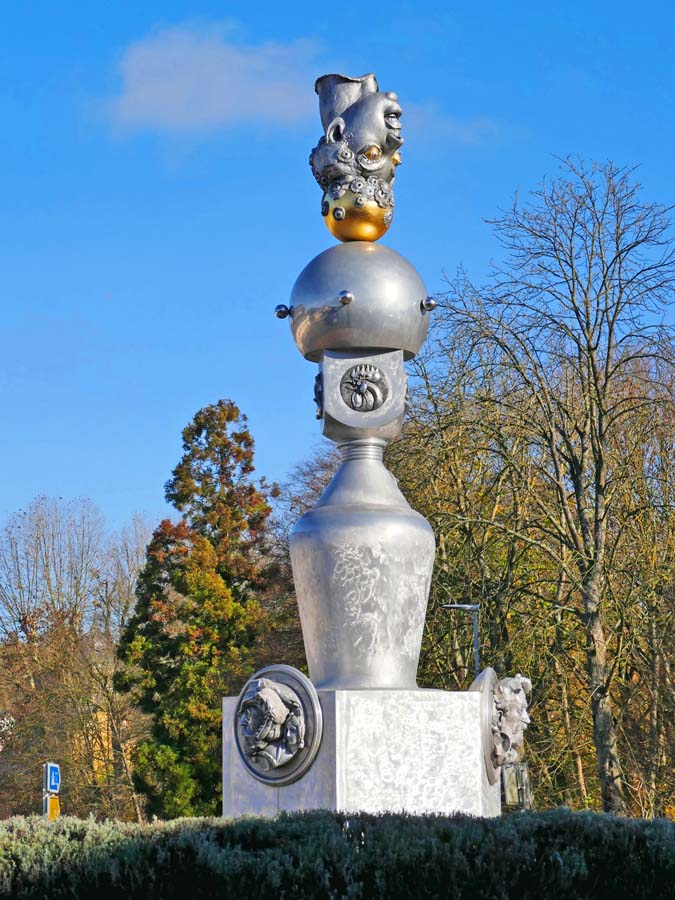
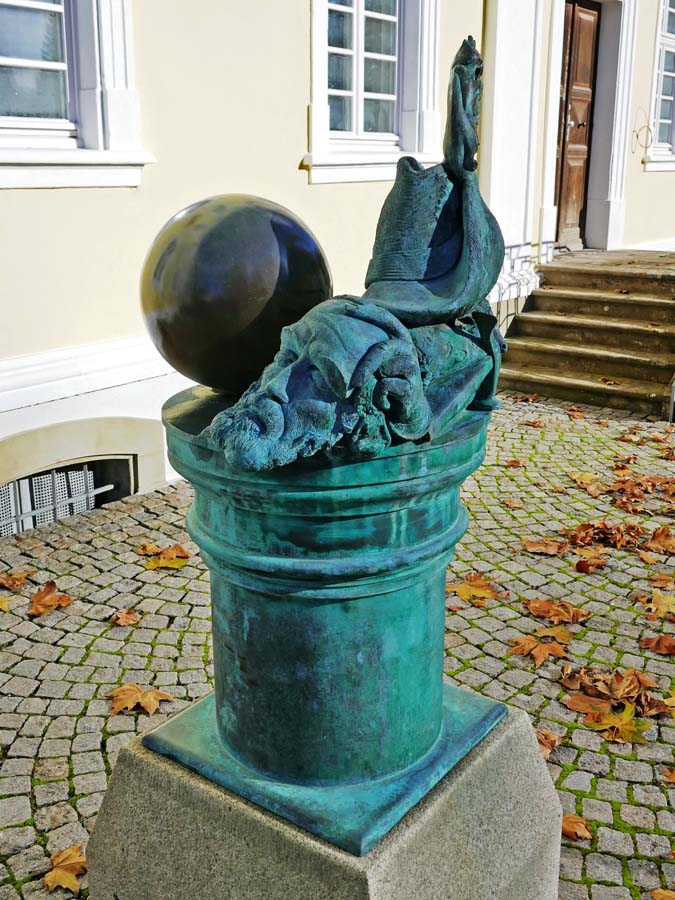
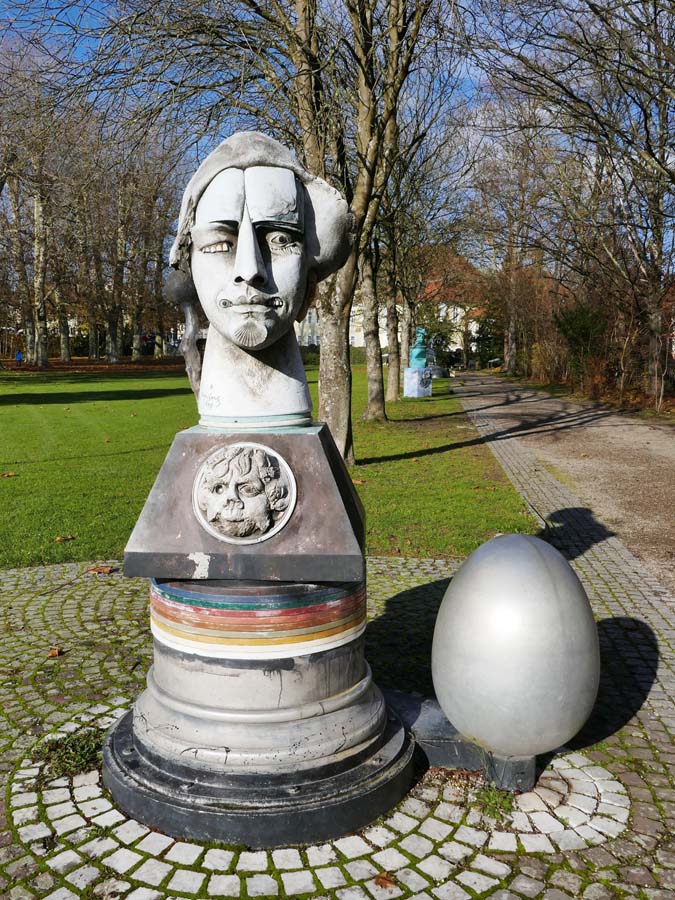
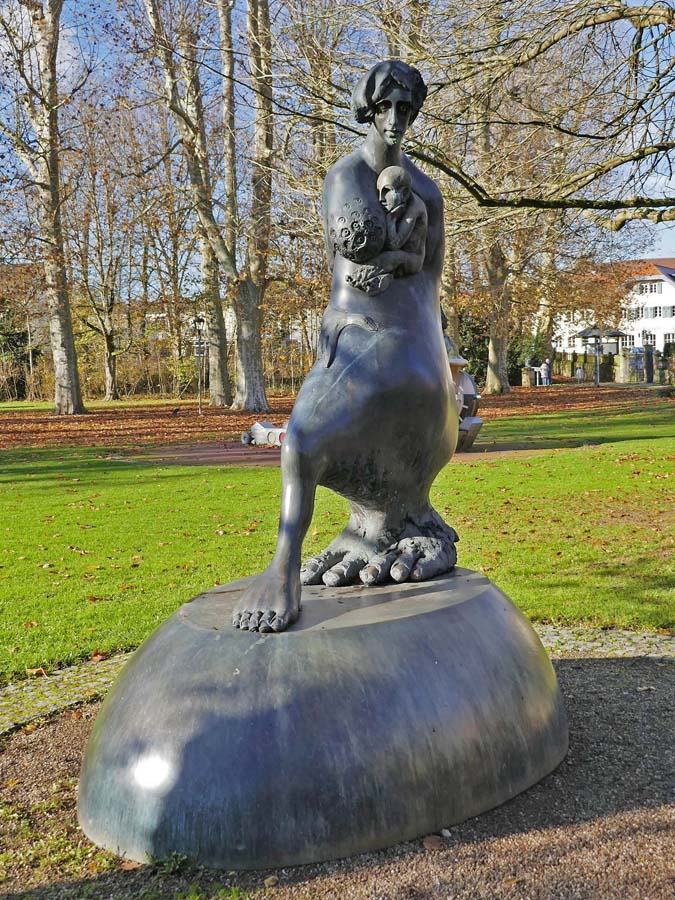
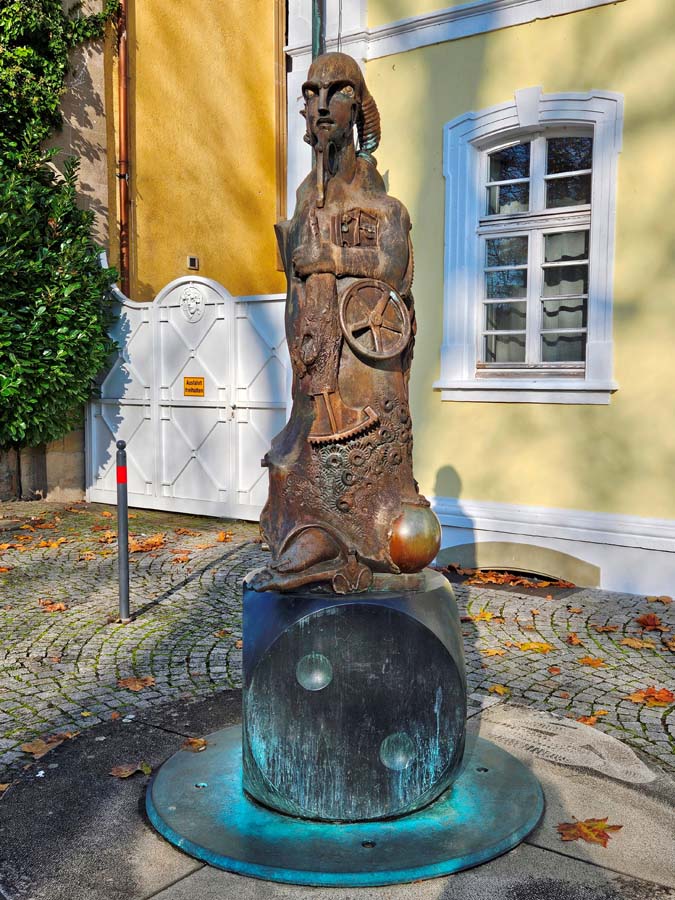
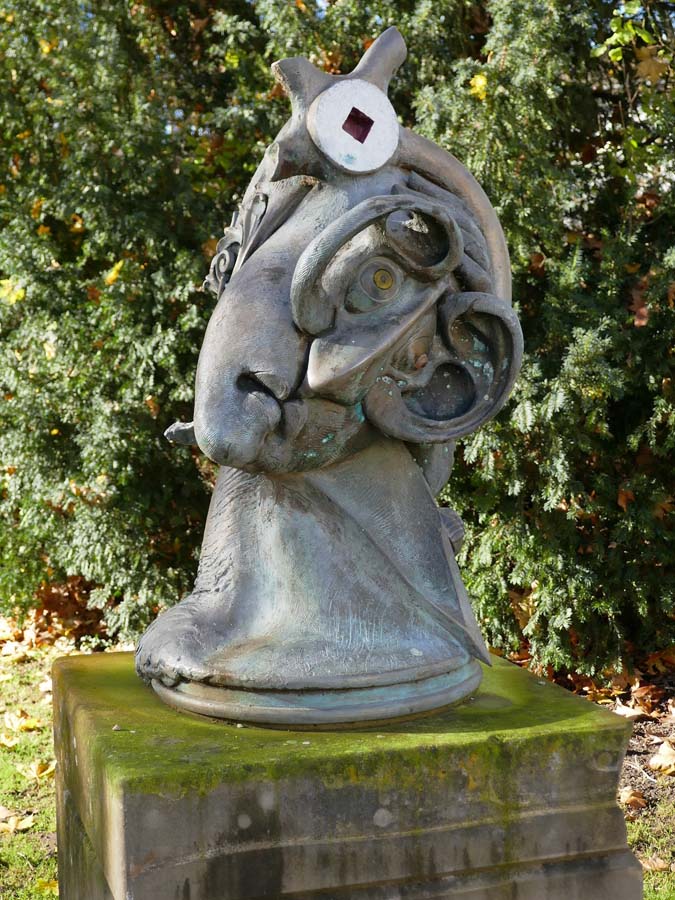
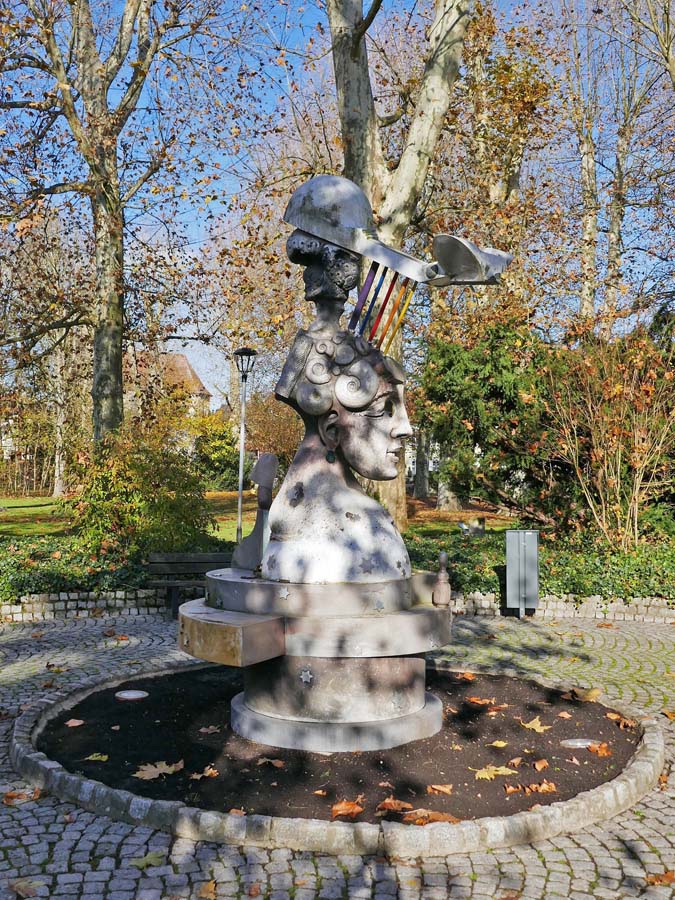
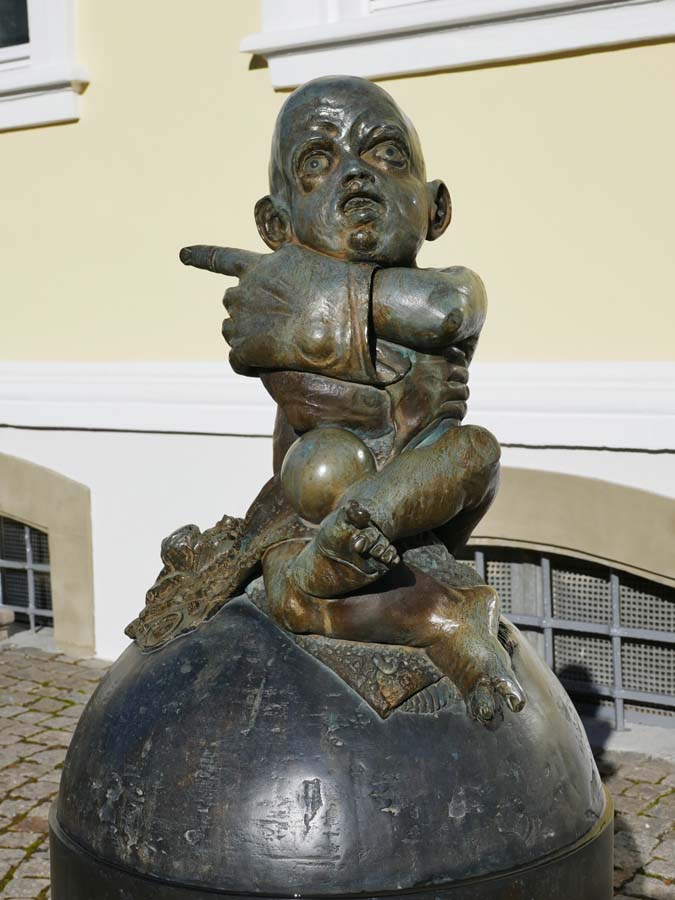
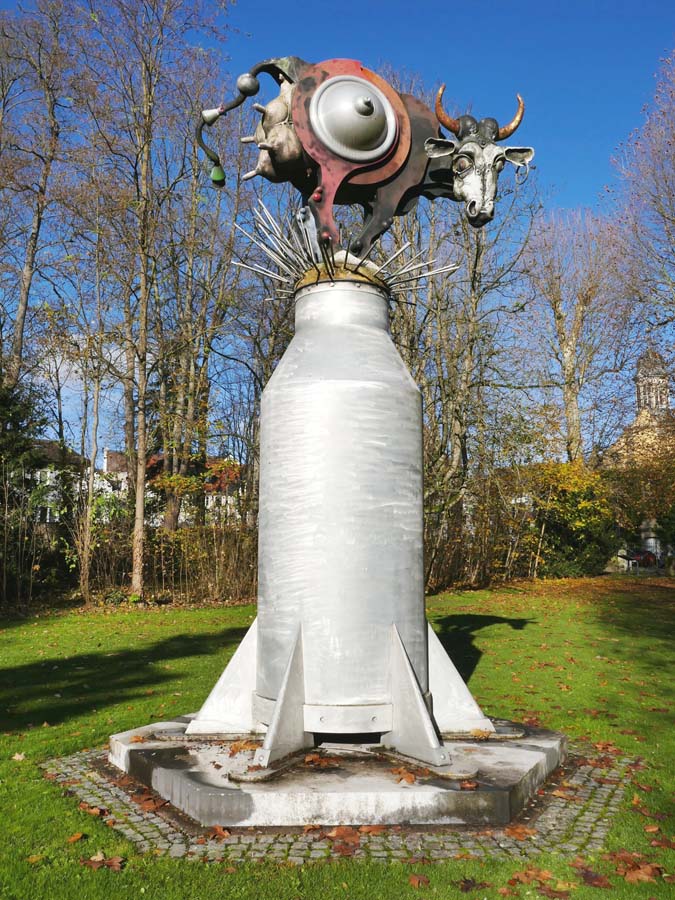
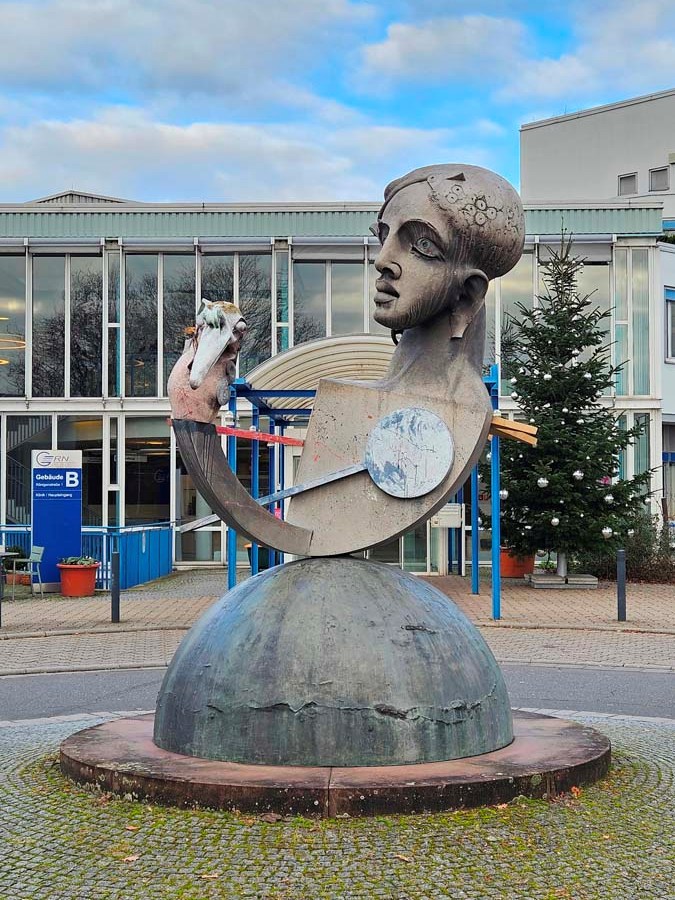
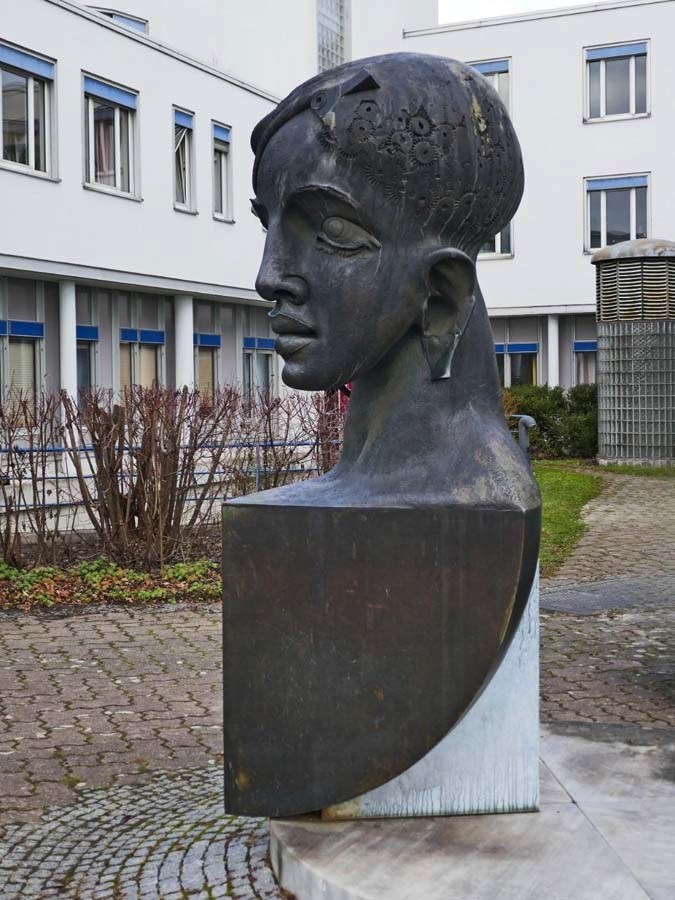
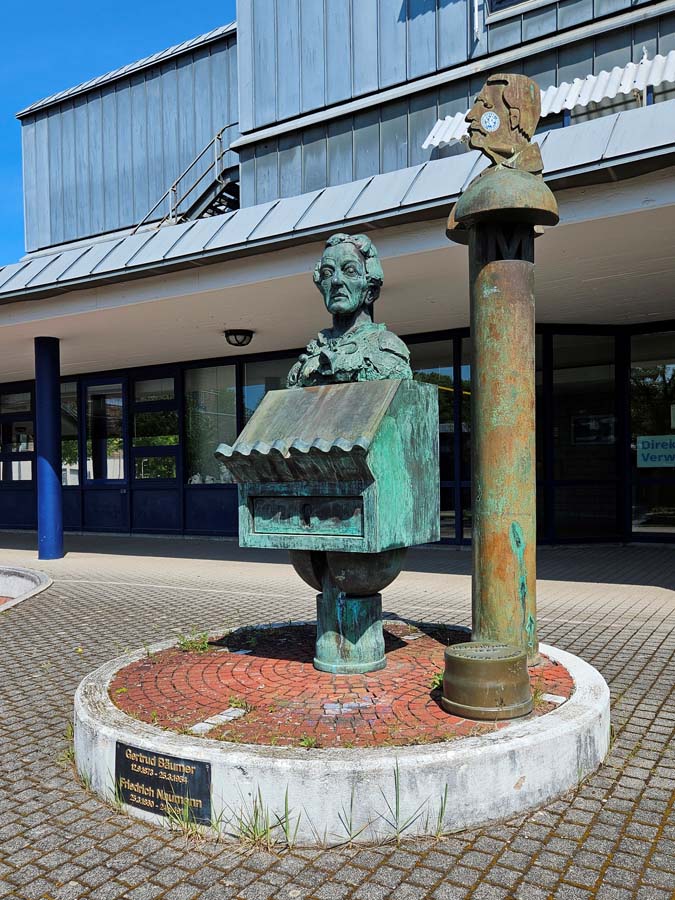
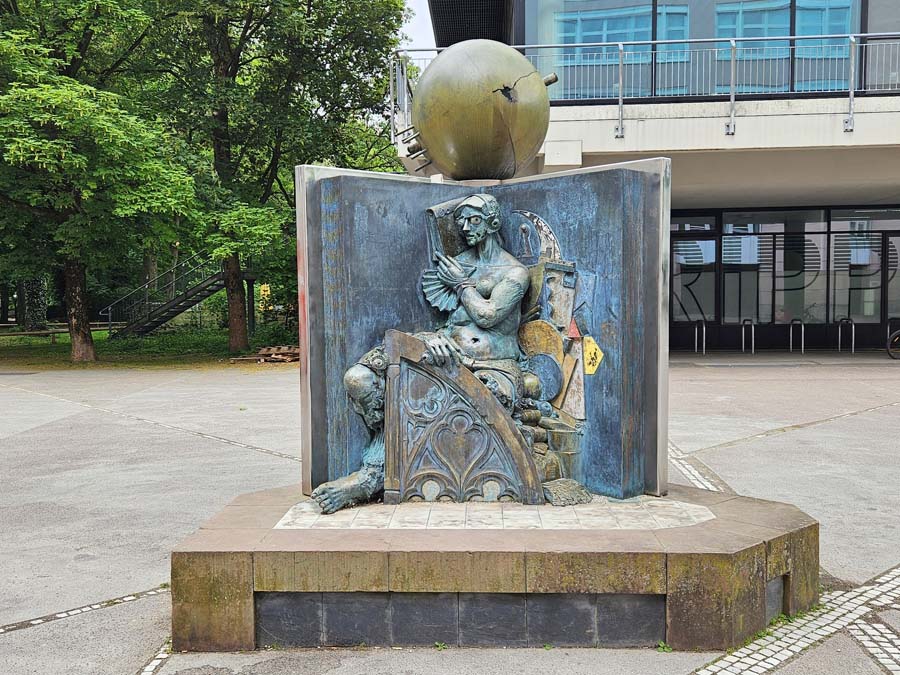
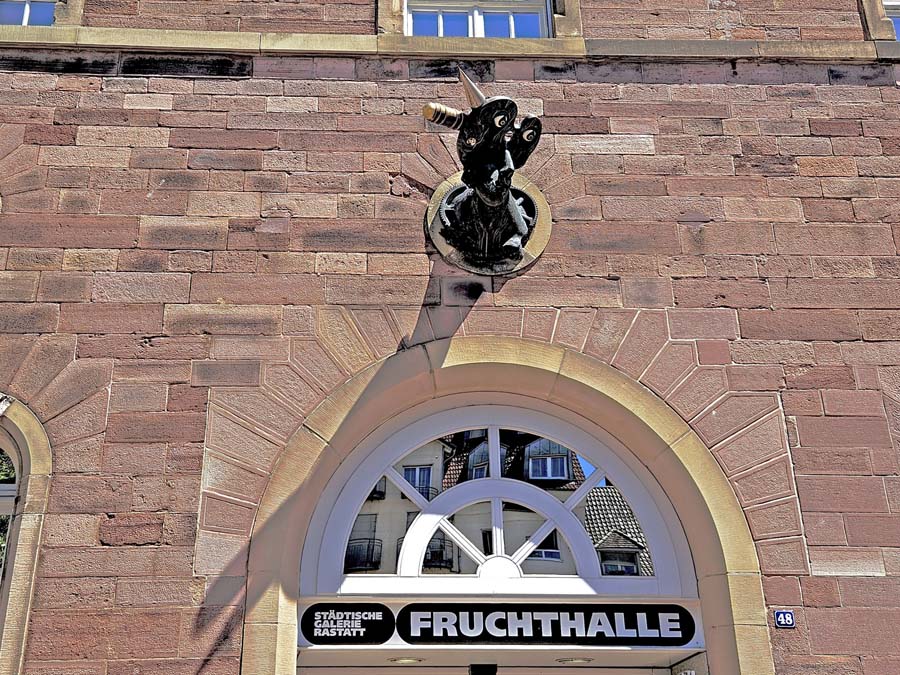
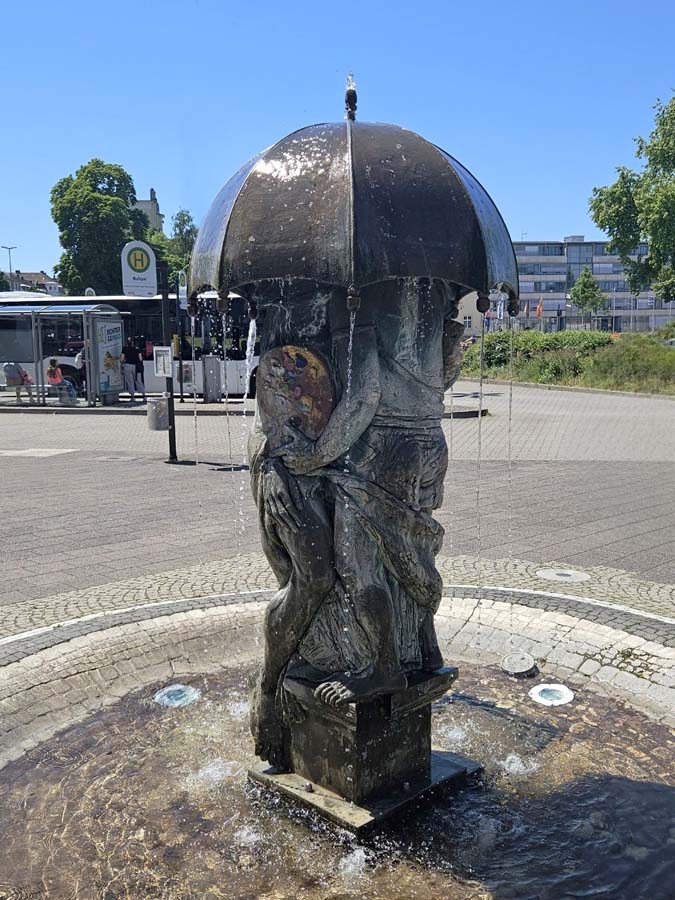
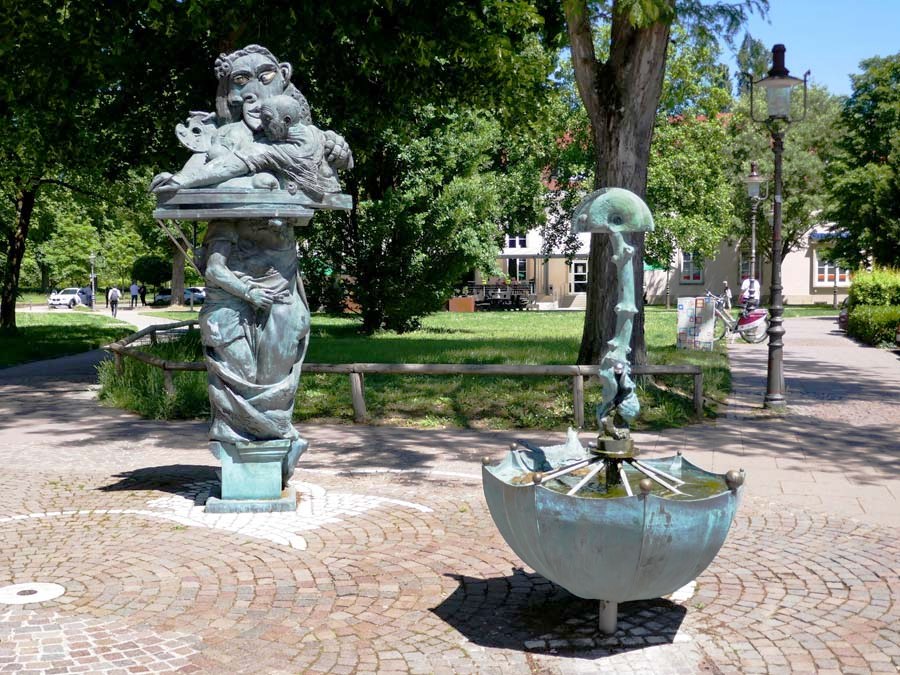
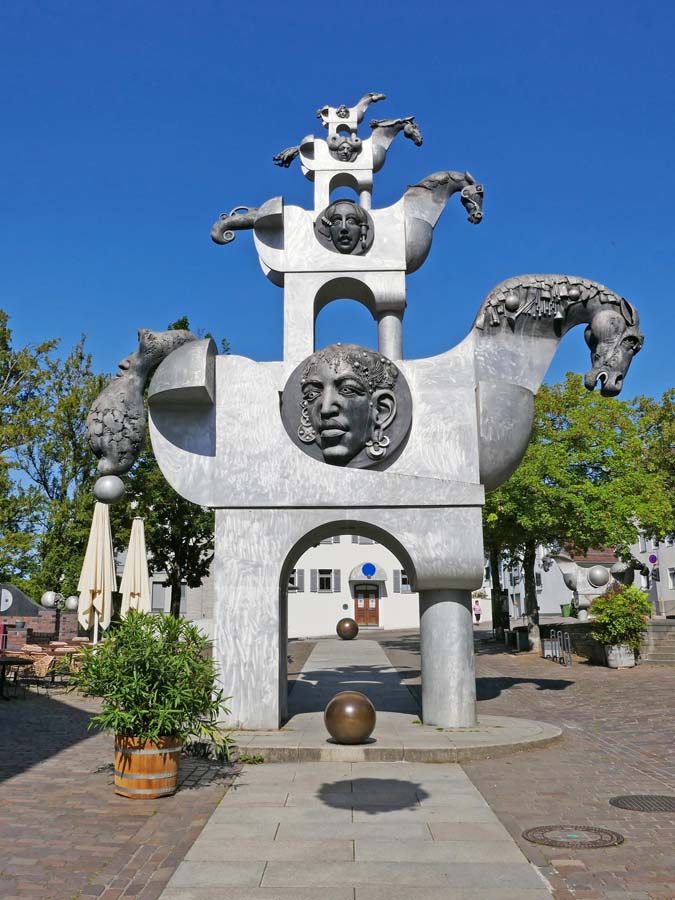
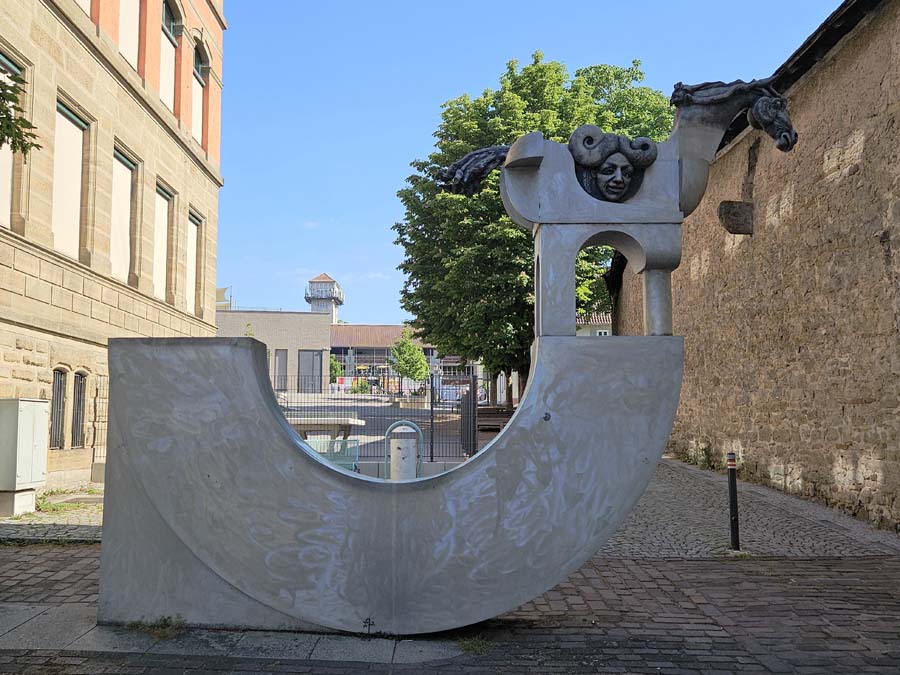
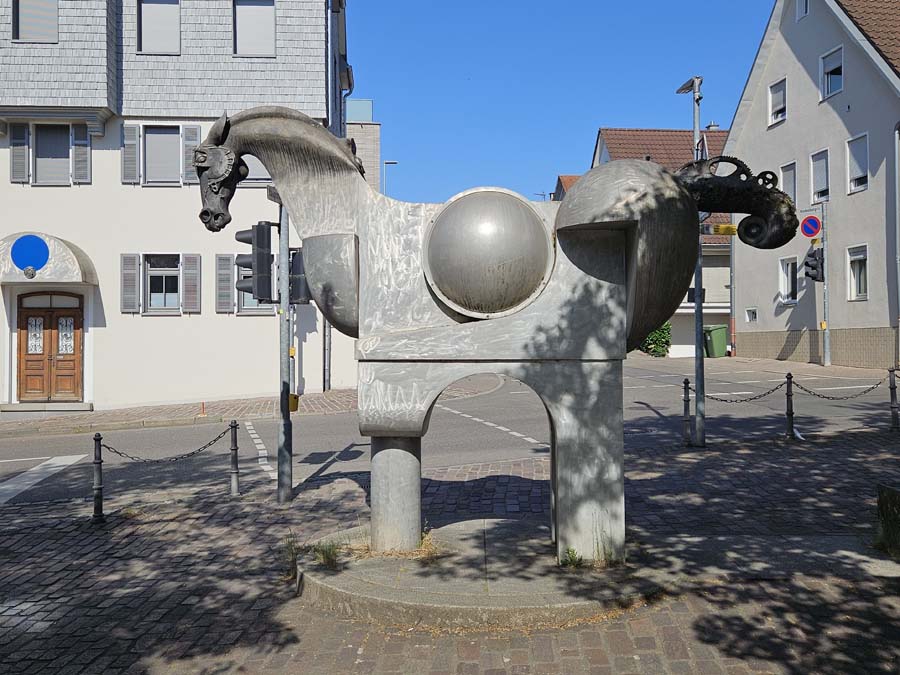
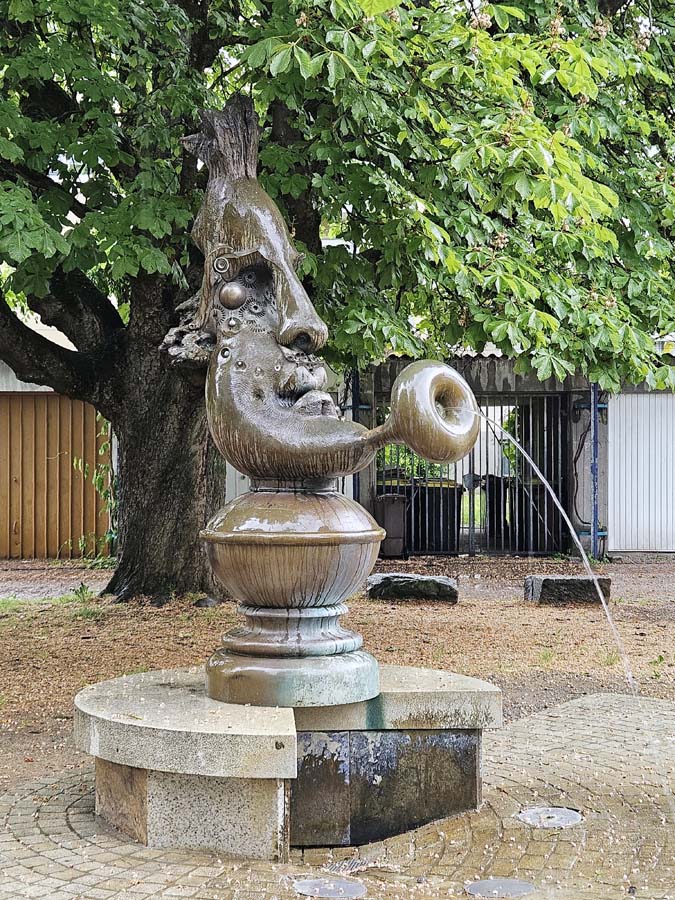
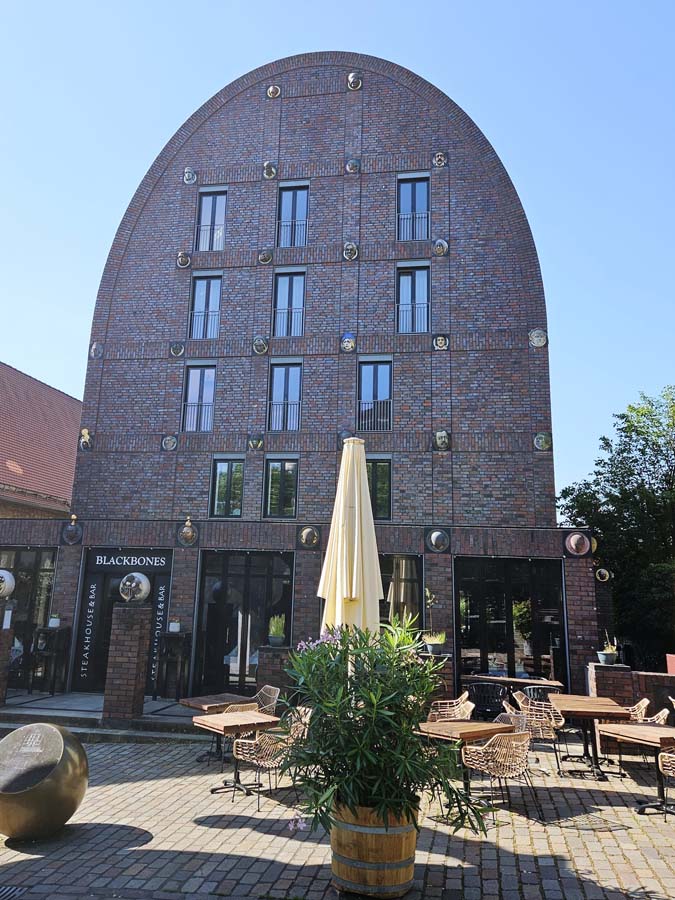
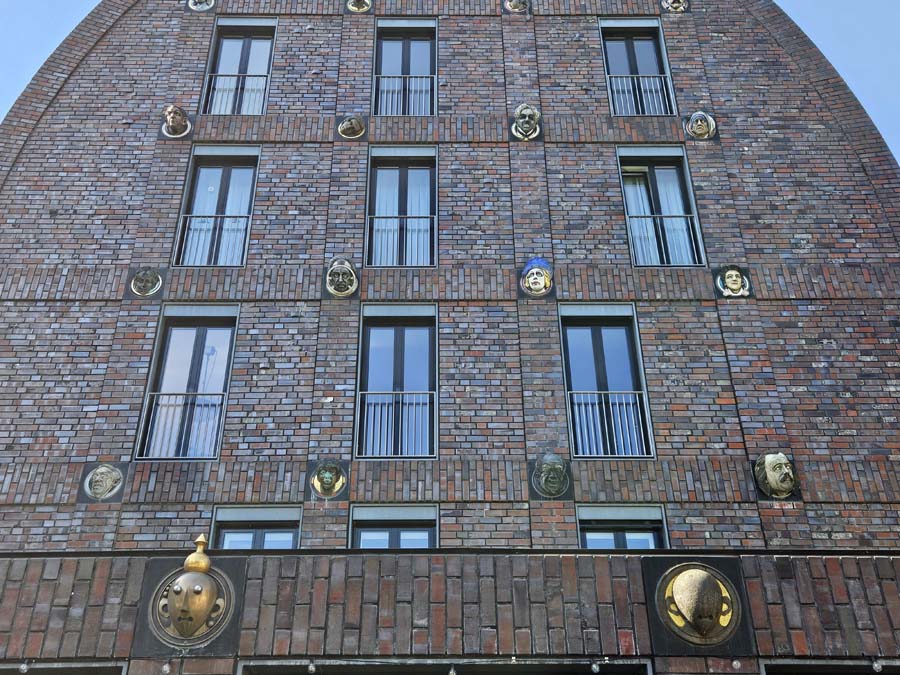
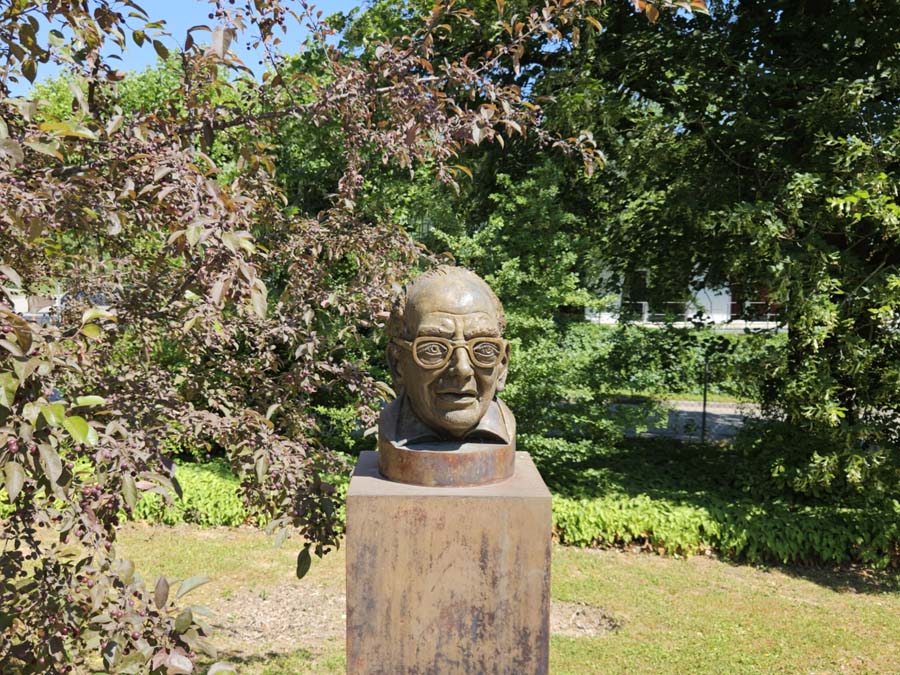
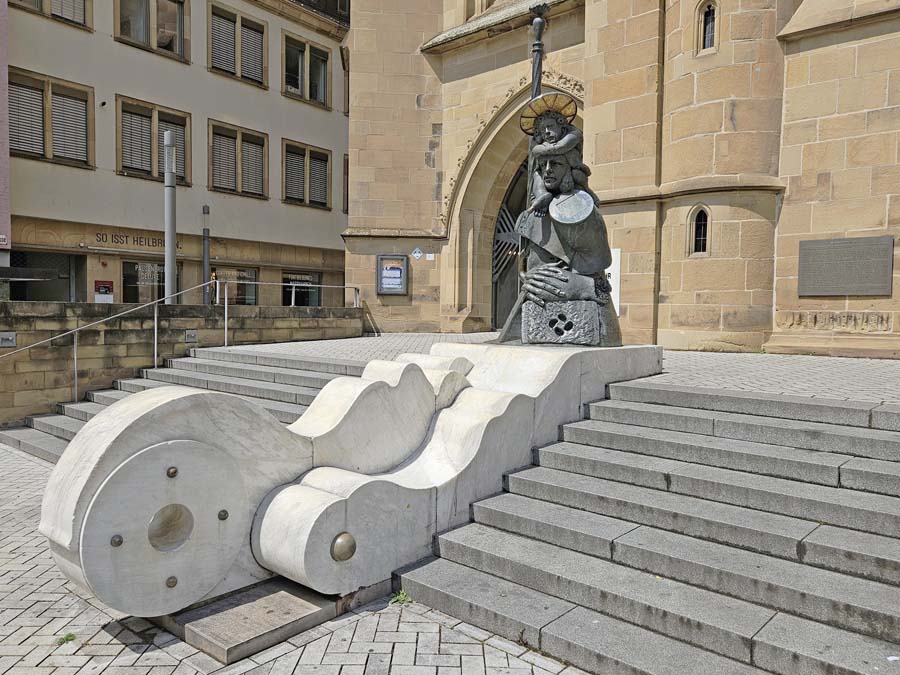
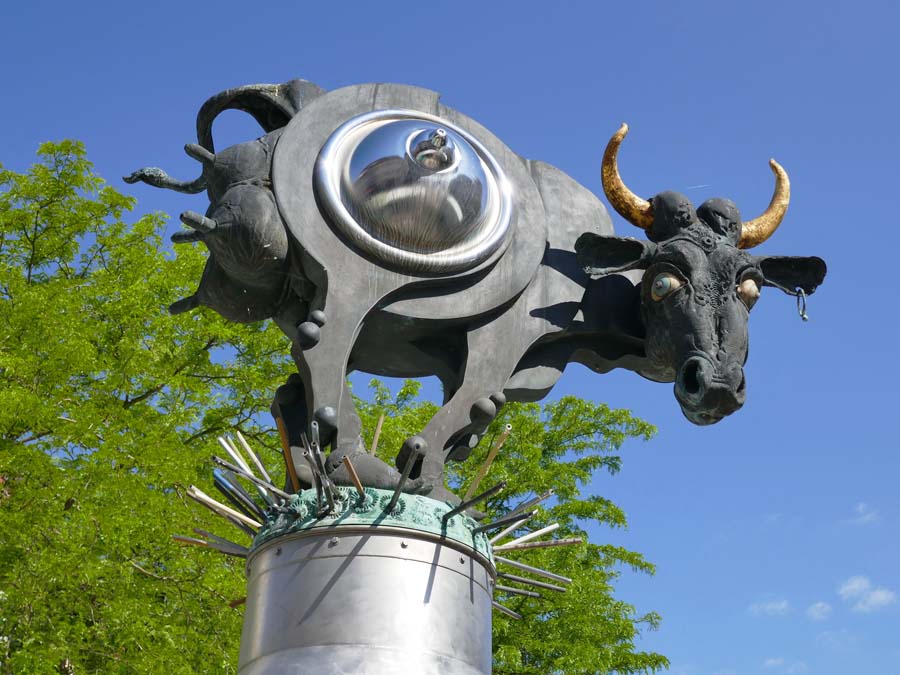
Jürgen Goertz’s sculptures are characterized by a unique combination of biological forms with technical or mechanical elements. The artist combines animals, human faces or abstract bodies with forms inspired by technology and mobility; curved lines, rotating components and kinetic elements convey a sense of movement. By combining stainless steel, bronze, stone or plastic, the works often appear futuristic or ironic, while simultaneously spreading a touch of scariness.
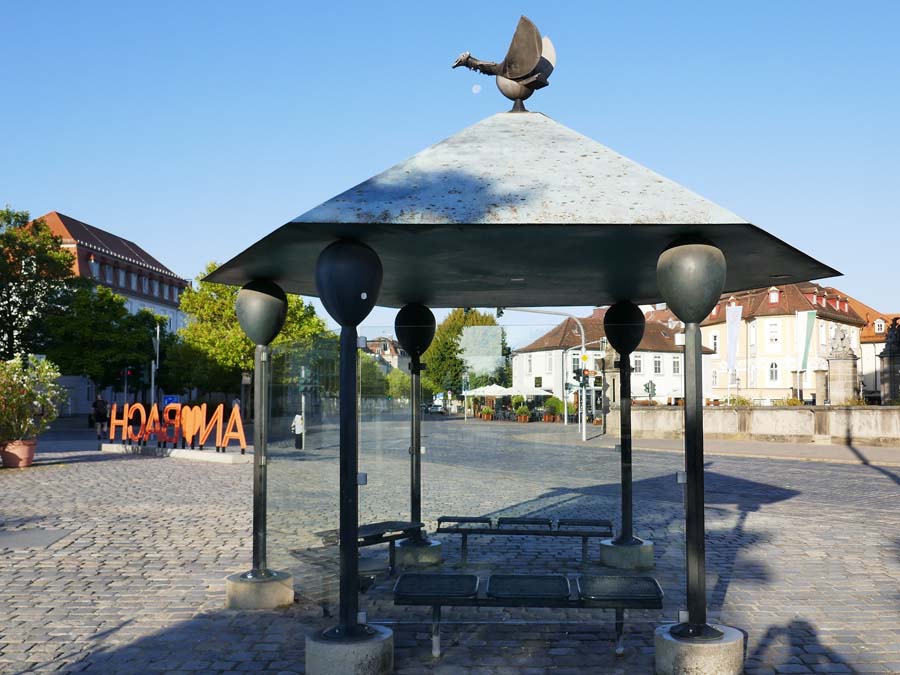
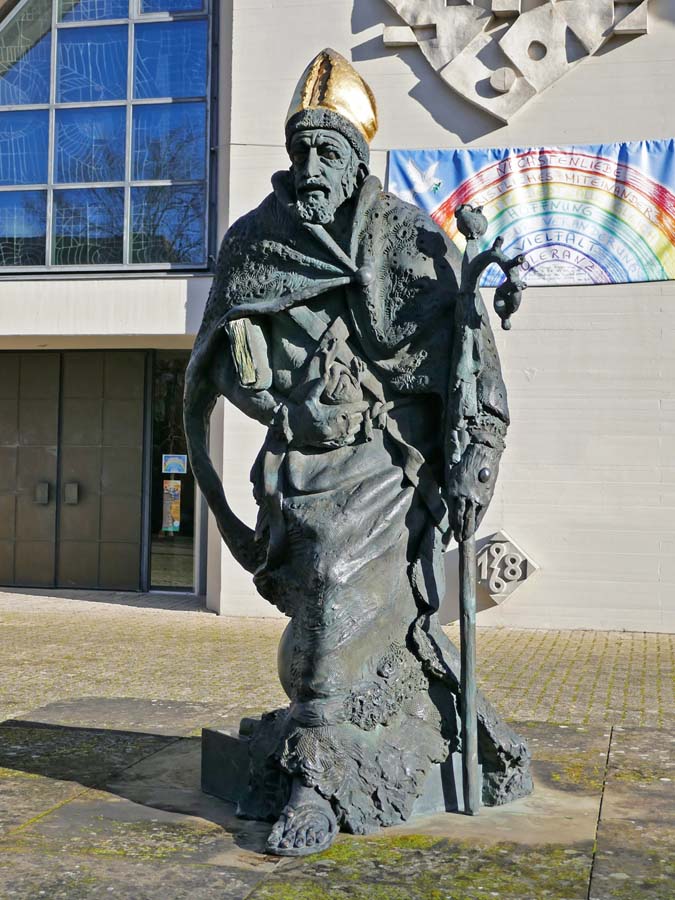
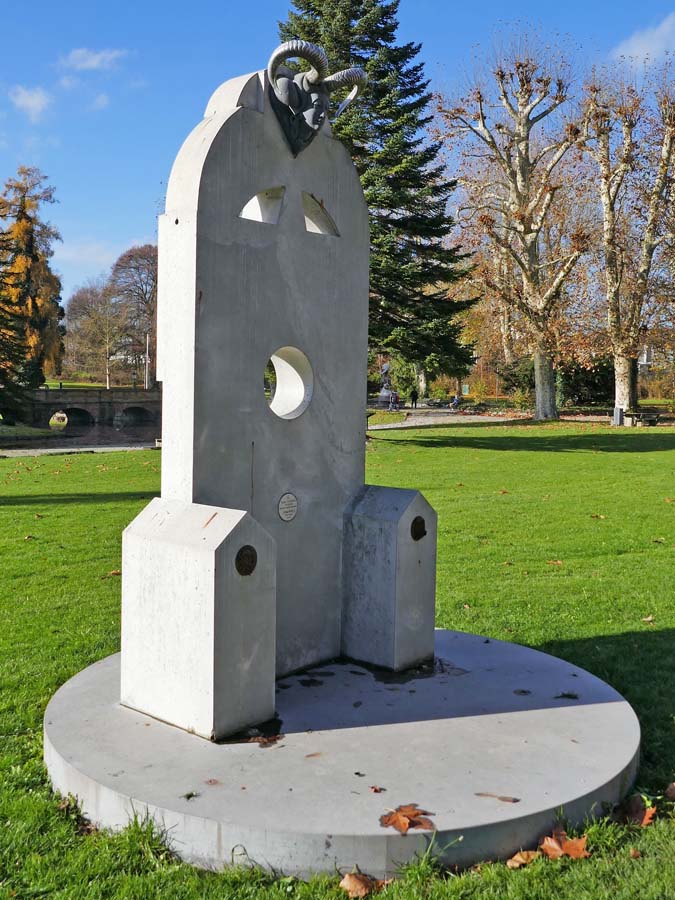
More than 100 of Goertz’s works, some of them deliberately provocative, are located in public spaces and provide material for discussion and debate. The mostly large-format sculptures are set up at prominent locations, at airports, on traffic circles, in front of castles or train stations. In 1987, the artist caused an international sensation with his controversial “Ku(h)riosum” in Bietigheim-Bissingen.
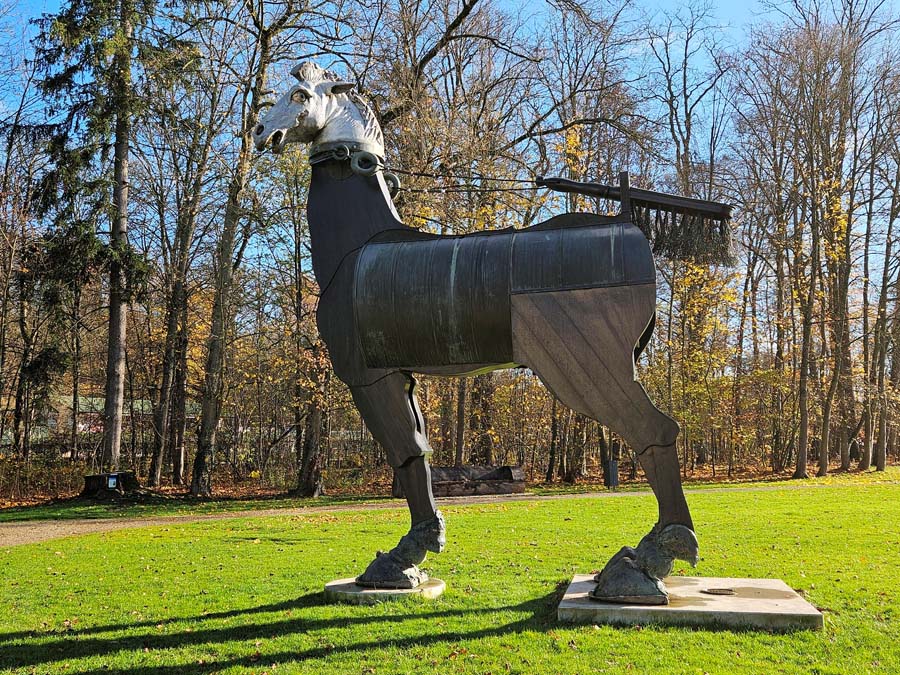
A recurring topic is the varying definition of horses, ranging from the “Musengaul” in Angelbachtal, the “Anscavallo” in Ansbach, the “Tower of Gray Horses” in Bietigheim-Bissingen to the “S-Printing Horse” in front of the Print Media Academy in Heidelberg. A huge “Rolling Horse”, weighing 35 tons, curves in front of Berlin Central Station; in Angelbachtal-Eichtersheim, the artist’s hometown, more than ten of his sculptures are on display in a local park, including a copy of the “Ku(h)riosum”.