Germany
* November 11, 1915 Stettin
† October 25, 1995 Berlin
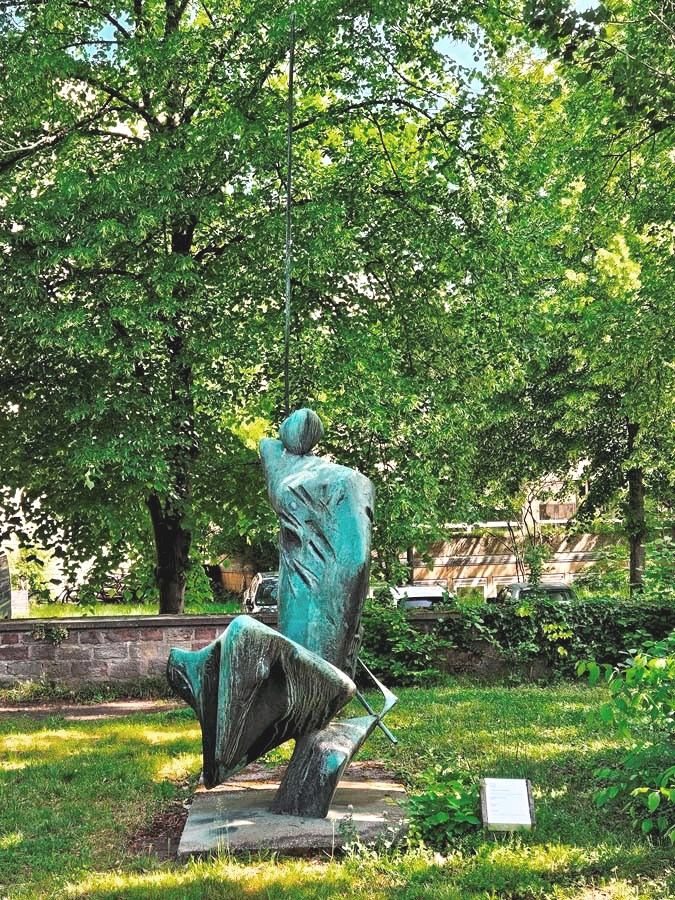
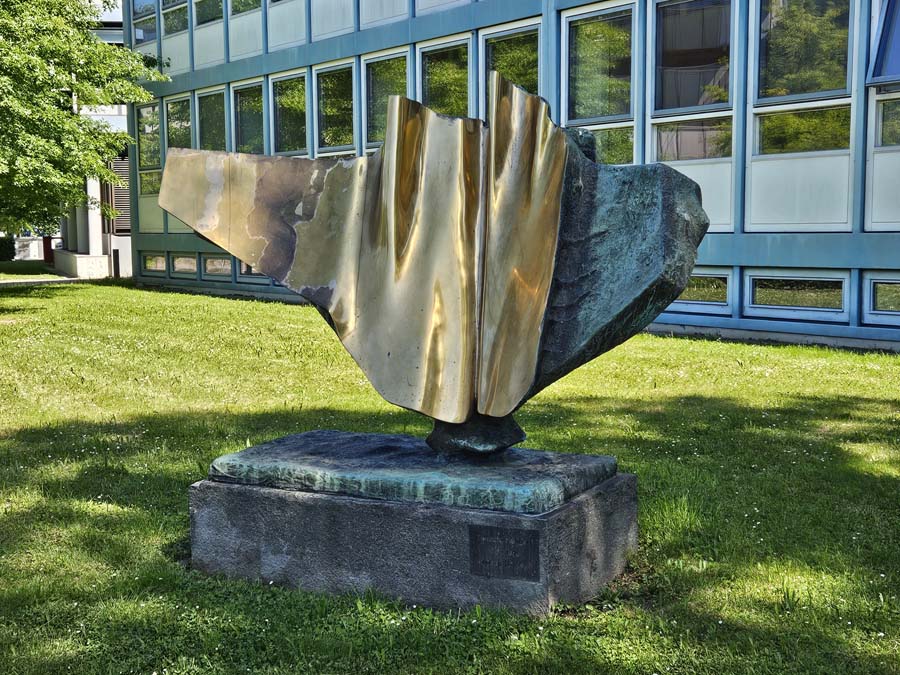
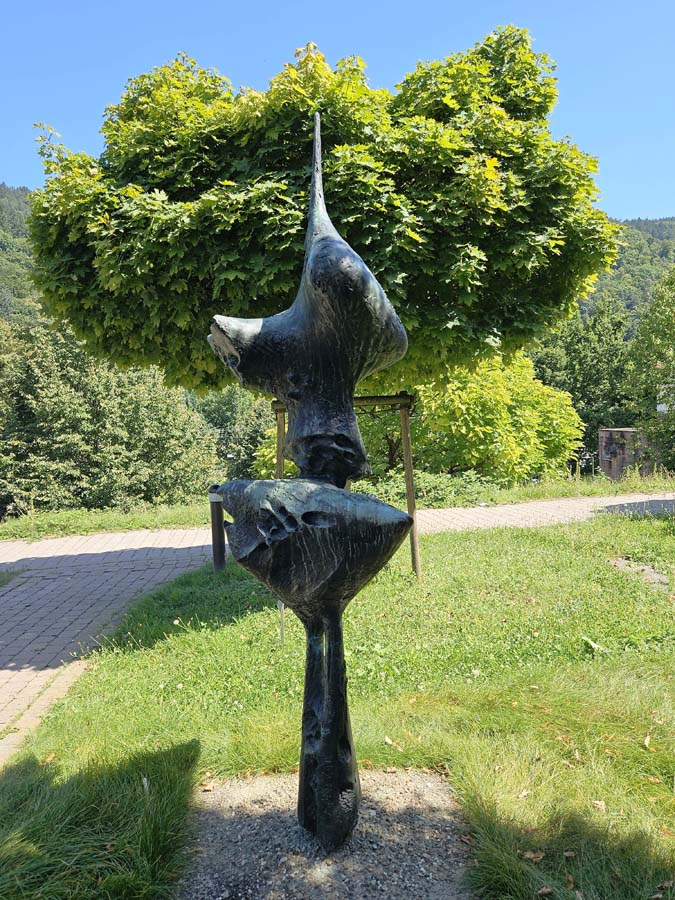
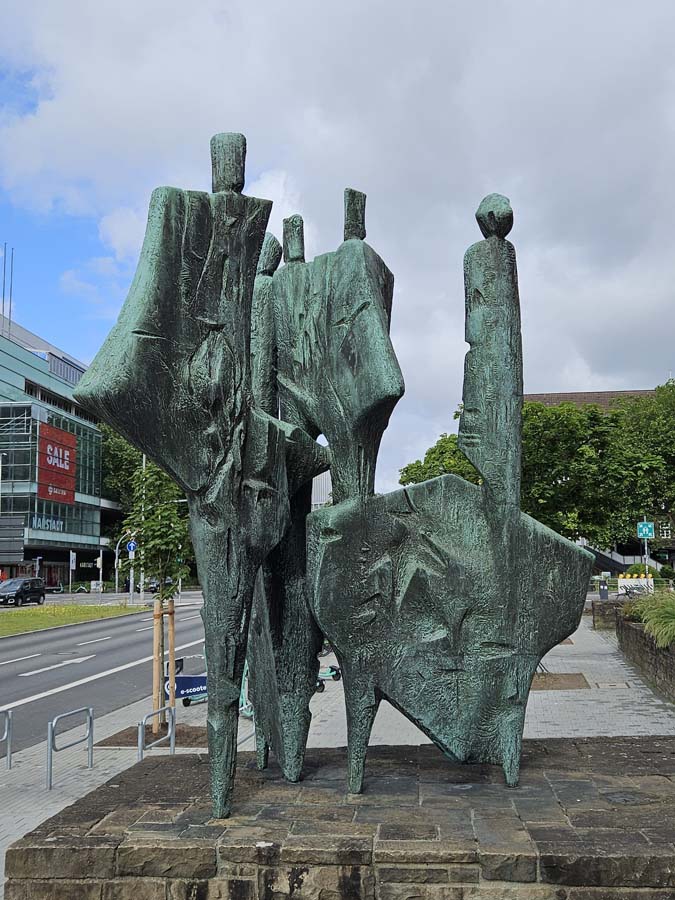
Bernhard Heiliger’s artistic work can be roughly divided into three phases; the different stylistic phases are accompanied by a change in the materials used. His works from the 1950s, influenced primarily by Henry Moore, are organically abstracted bronze figures with flowing body forms and portrait busts of important personalities such as Ernst Reuter or Theodor Heuss (“Bronze Age”).
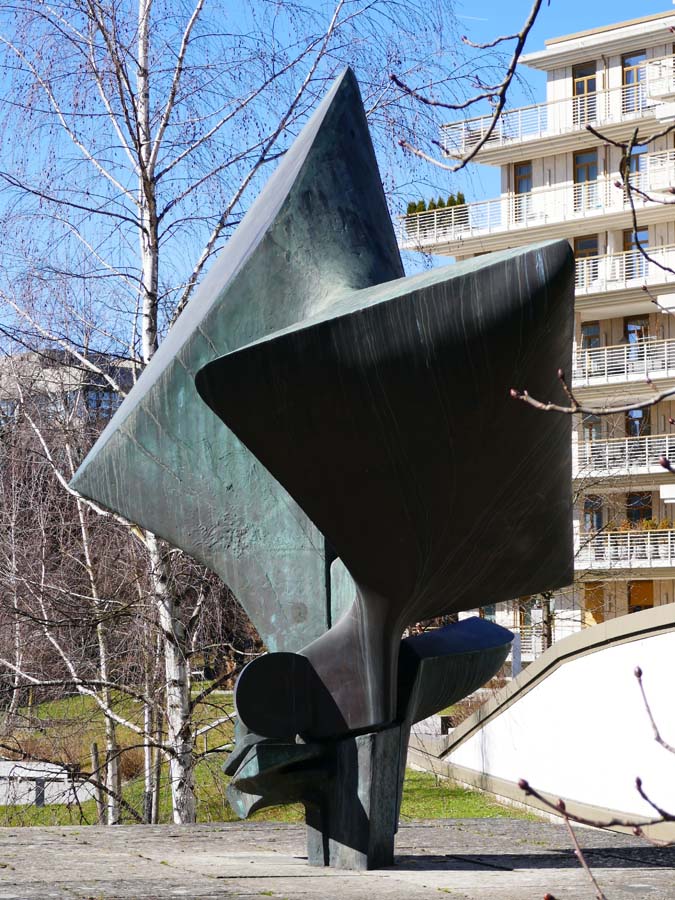
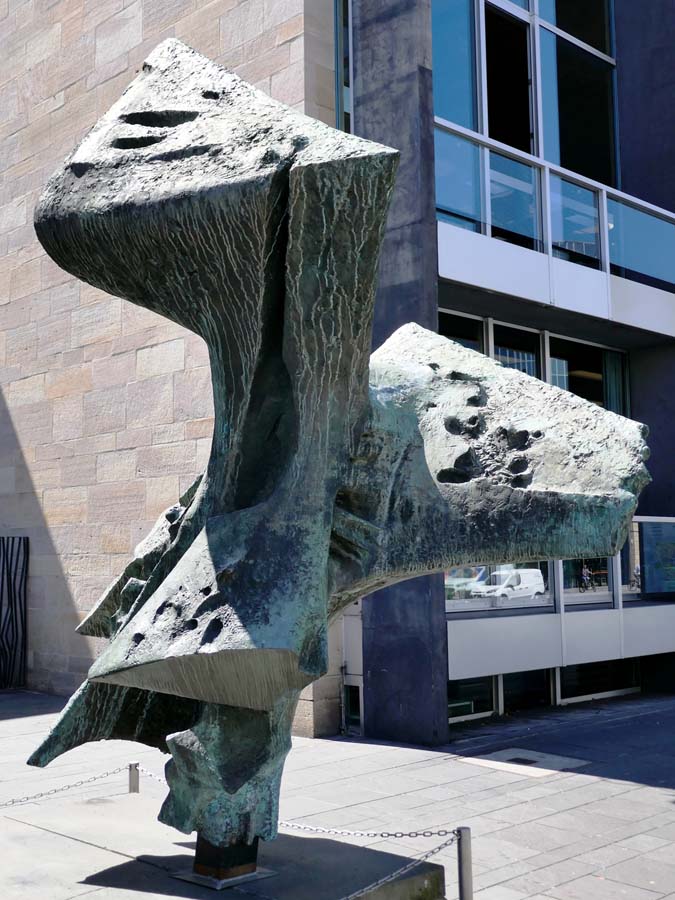
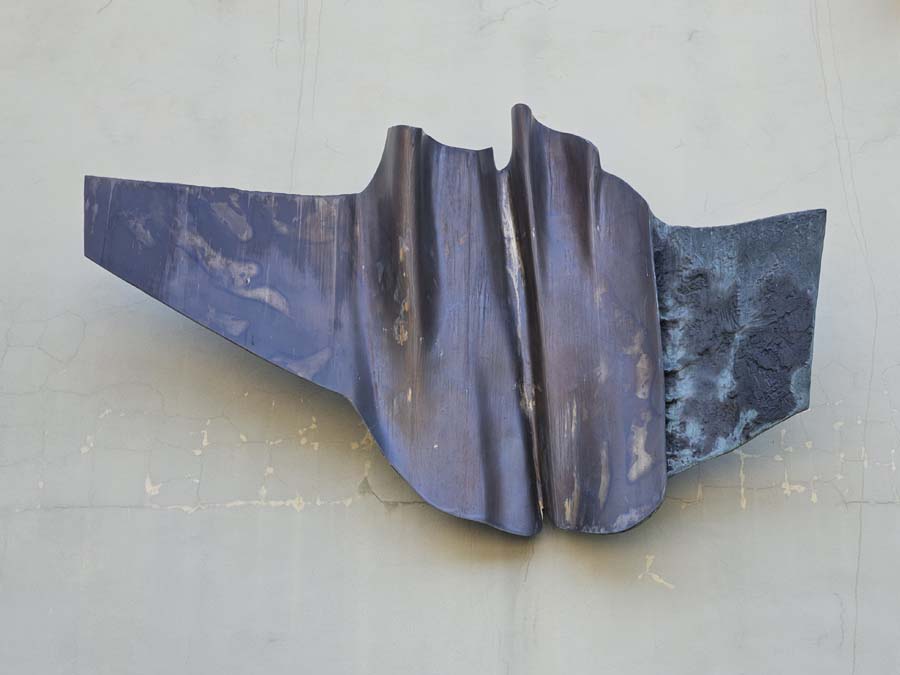
From 1960 onwards, he increasingly moved away from human figures and developed sculptures with plant-like, organic, torn structures. The seven-meter-high bronze sculpture “The Flame” on Berlin’s Ernst-Reuter-Platz, among others, dates from this period.
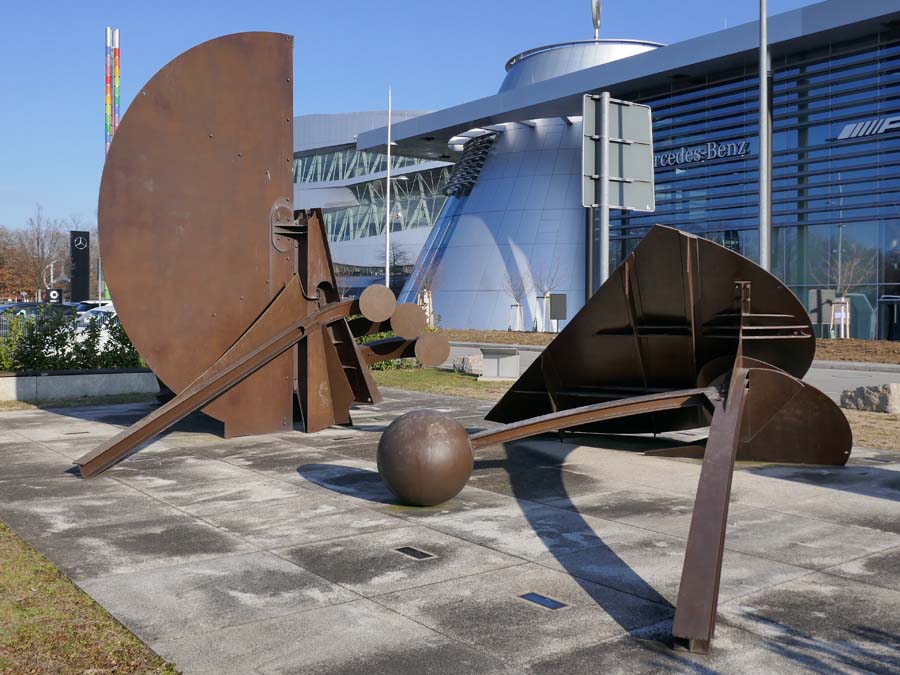
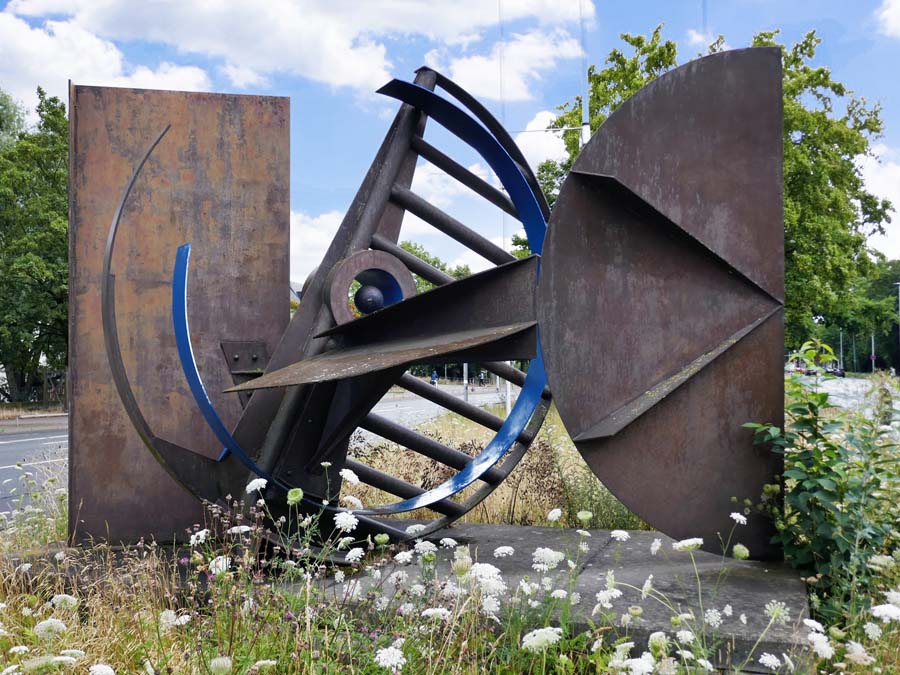
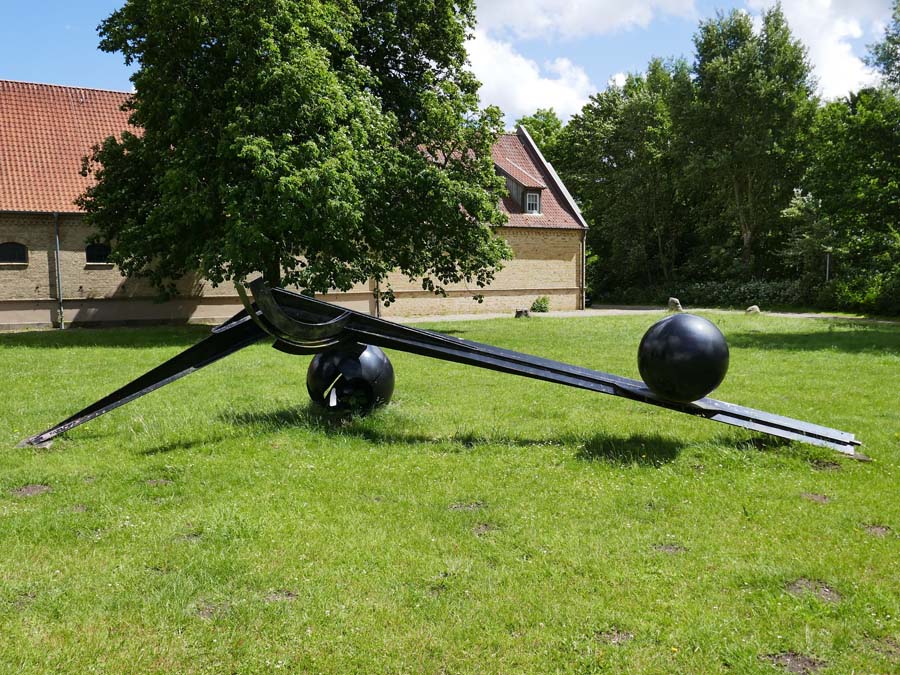
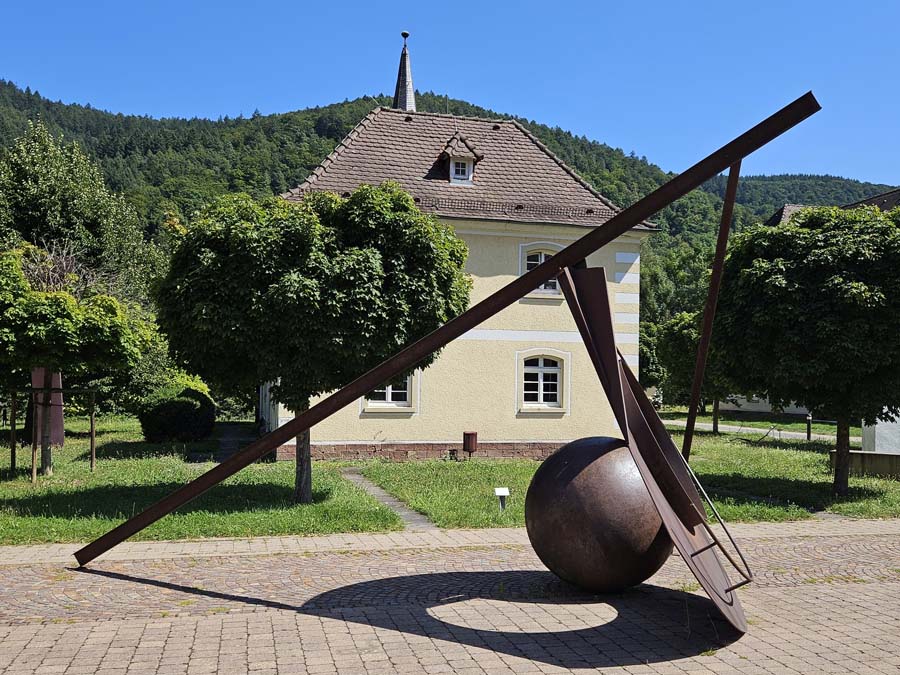
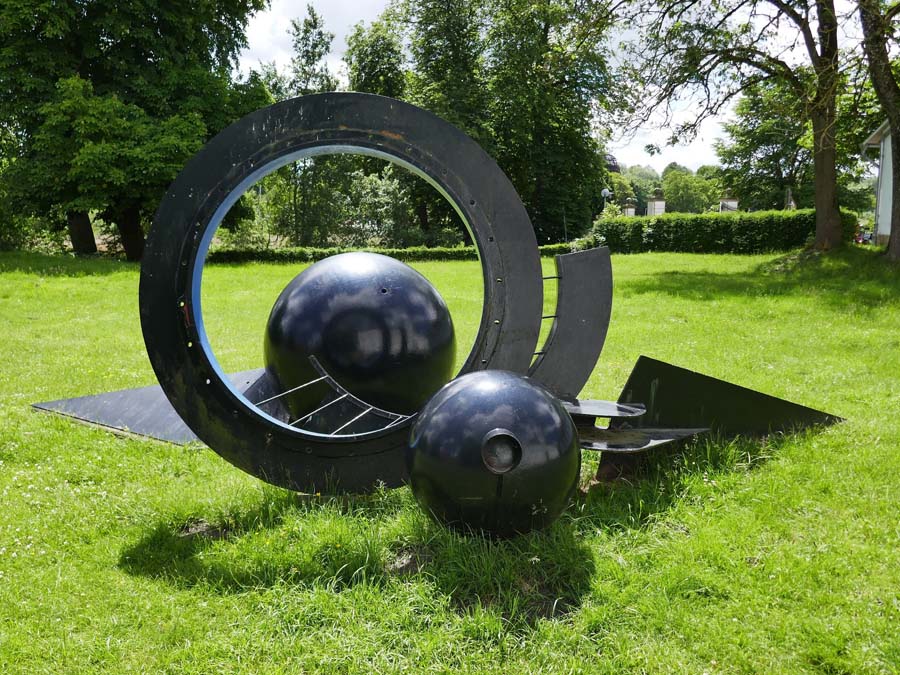
Starting in the 1970s, Heiliger built constructions from light metal, stainless steel and later almost exclusively from Corten steel (“Iron Age”). His later sculptures combine spheres, rods and surfaces into geometric-technical spatial compositions that suggest movement and combine geometric clarity with kinetic tension. Capturing movement in a static moment becomes the central aspect of his art.