Austria
* February 16, 1947 Vienna
† July 25, 2012 Vienna
Franz West’s sculptures are characterized above all by the fact that they are meant not merely to be viewed, but to be used and experienced. He was among the first sculptors to concentrate on the active participation of his audience. His best-known works were so-called Passstücke (Adaptives) – handy, organic forms made of plaster over wire mesh and papier-mâché, designed for visitors to hold, drape around their bodies, or place in front of their faces.
West blurred the line between artwork and functional object. He created chairs, sofas, tables, and entire installations that could actually be used. For him, art belonged to everyday life, not just to the museum.
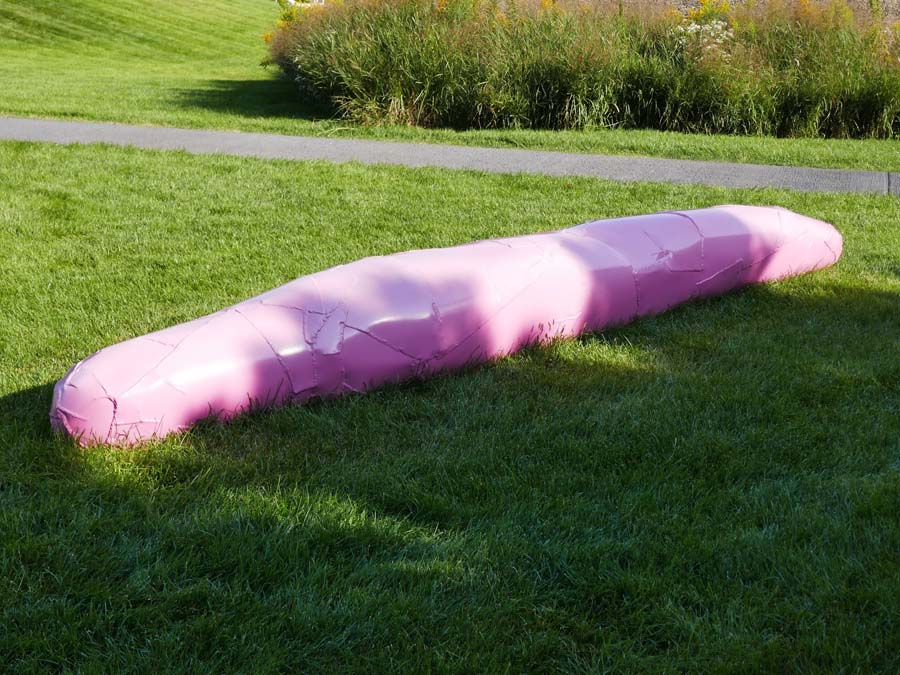
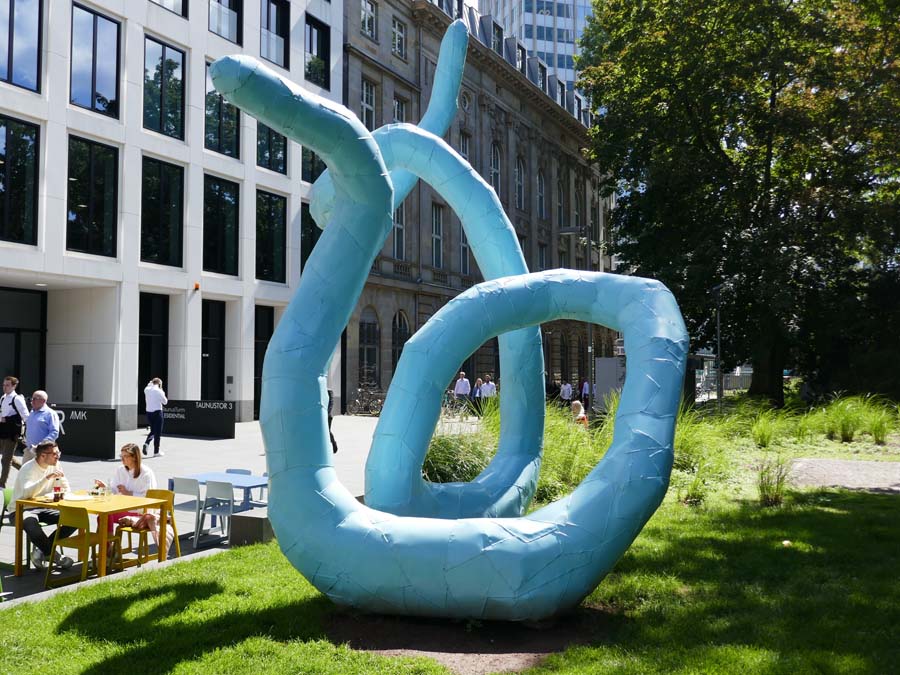
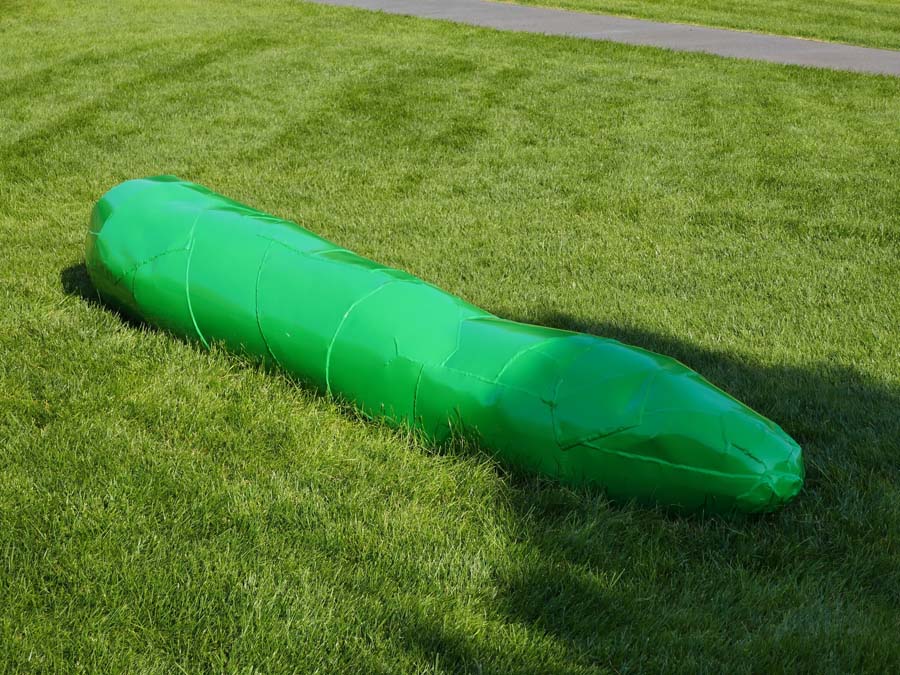
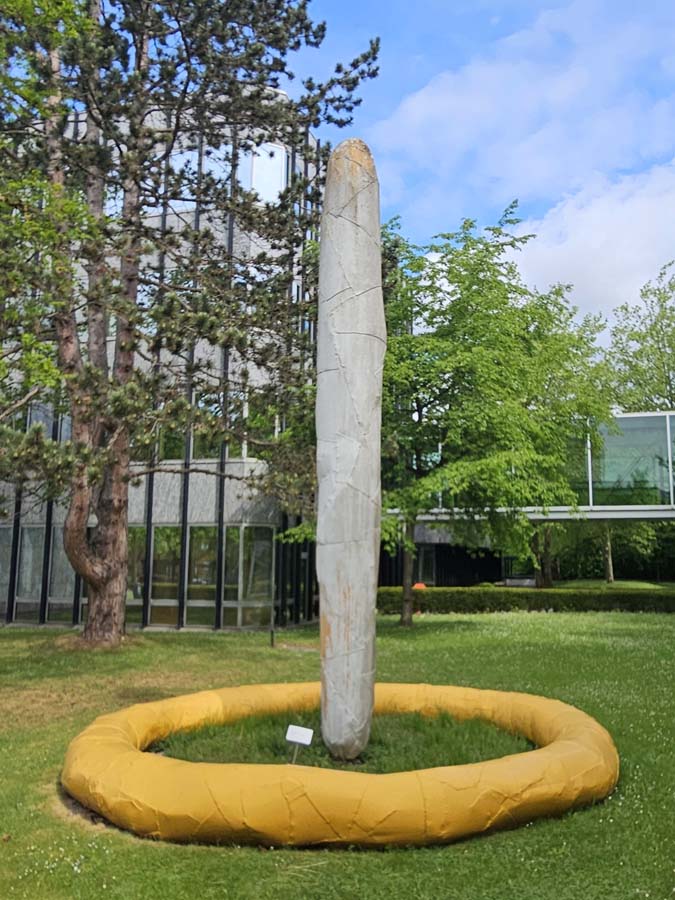
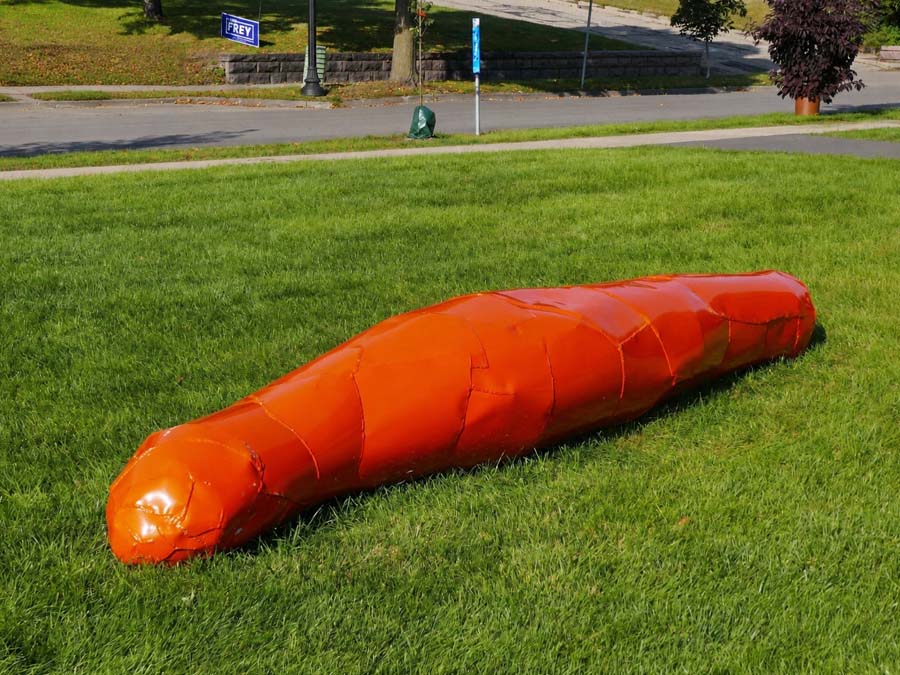
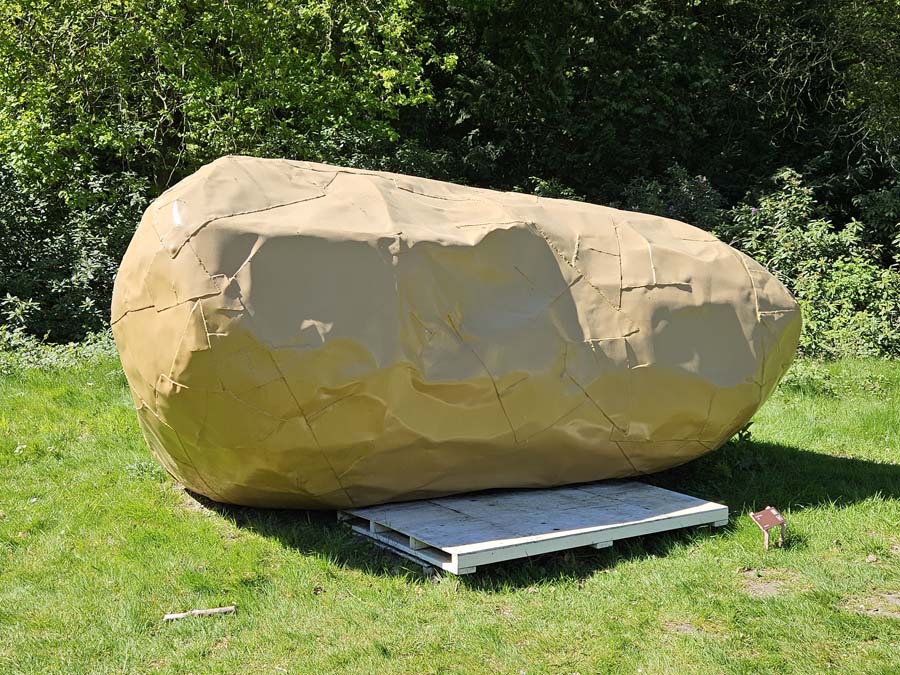
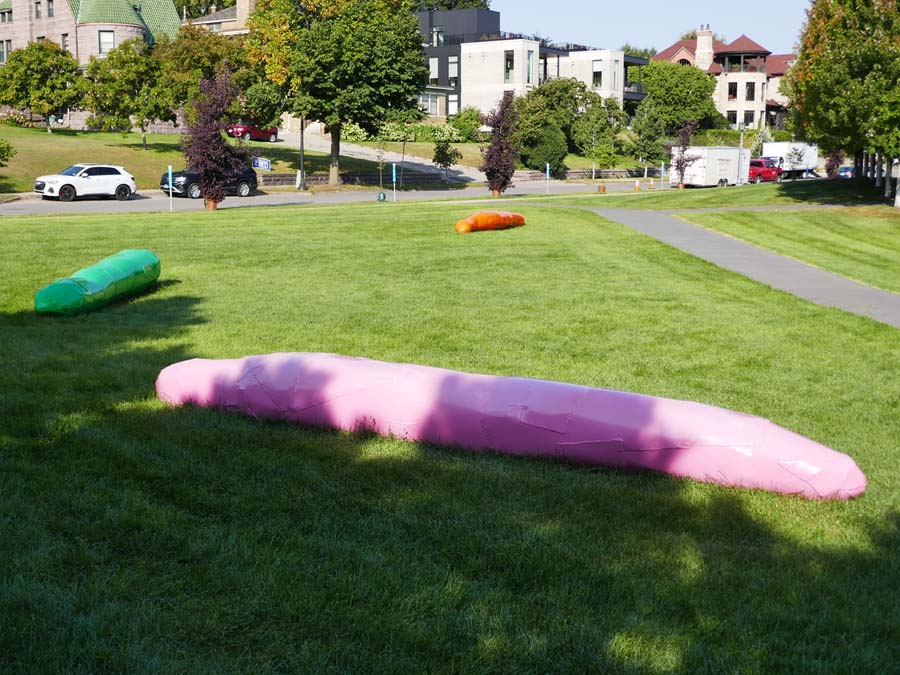
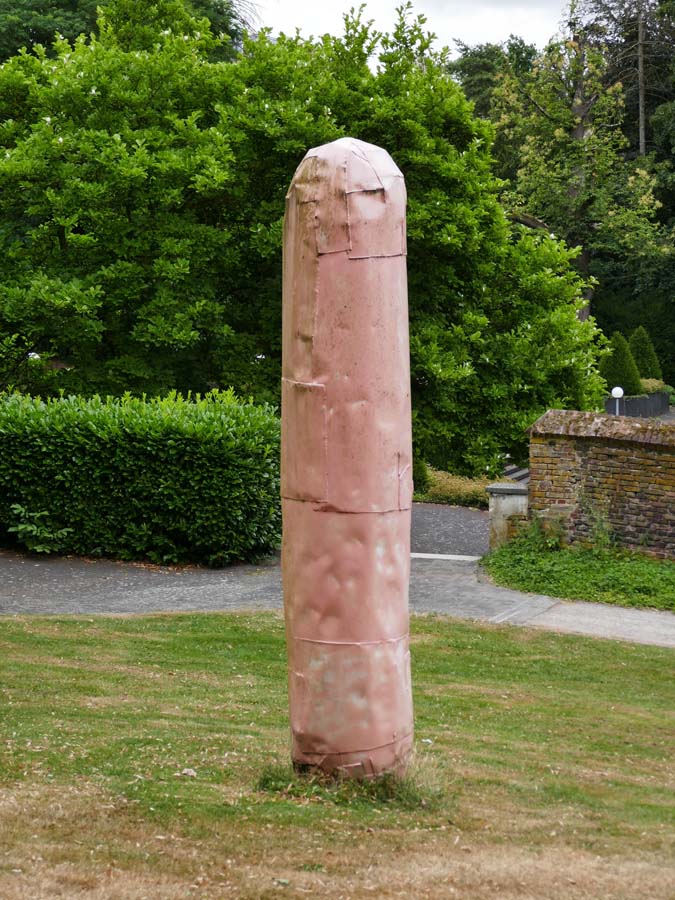
In his later years, he designed huge, twisted, worm-like sculptures made of aluminum or epoxy resin for public spaces. Usually painted in glaring neon colors, these works retain a playful character despite their size. West rejected smooth, perfect surfaces. His works, with their seams and bumps, often appear unfinished and rough; it was precisely this very quality that became the artist’s trademark.