USA
* August 22, 1891 Druskininkai
† May 16, 1973 Capri
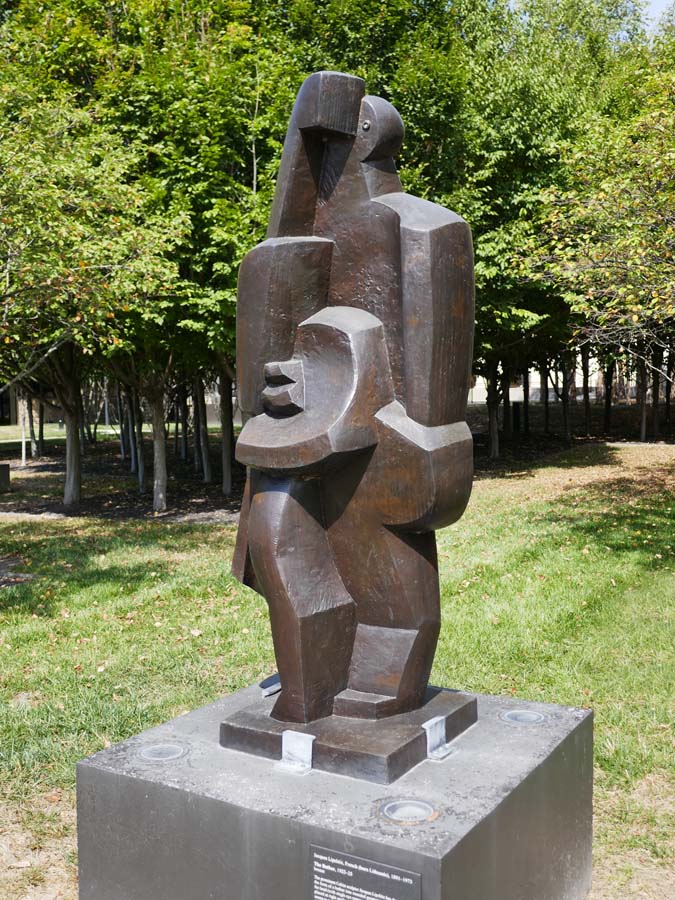
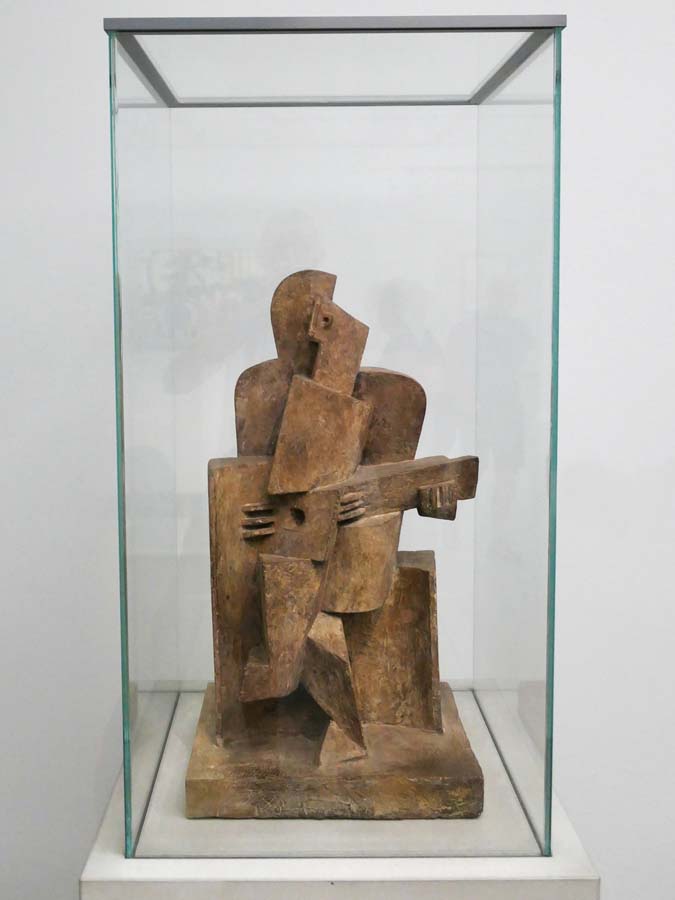
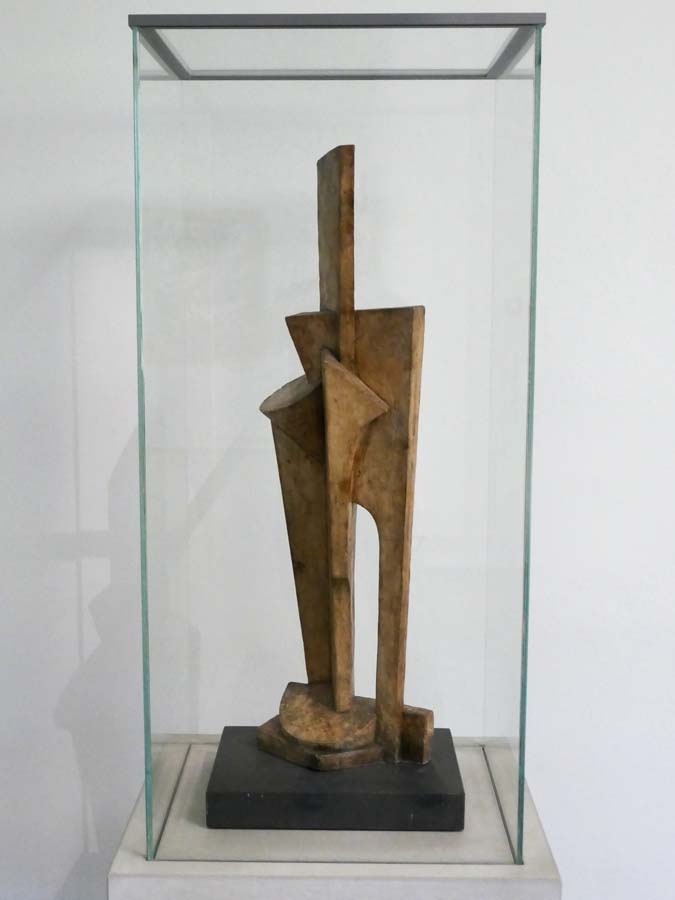
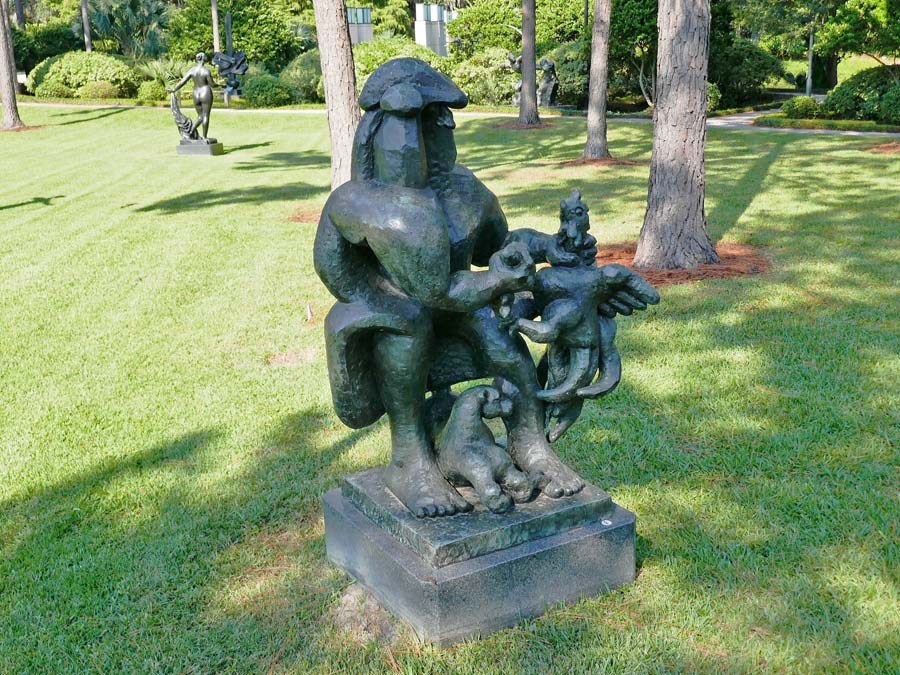
Jacques Lipchitz was one of the first artists to apply the principles of cubism – the decomposition of objects into geometric forms and the re-composition of those elements while simultaneously depicting multiple perspectives – to three-dimensional sculpture. This was a novelty at the time, as cubism had until then been considered primarily as a phenomenon of painting (Picasso, Braque, and others).
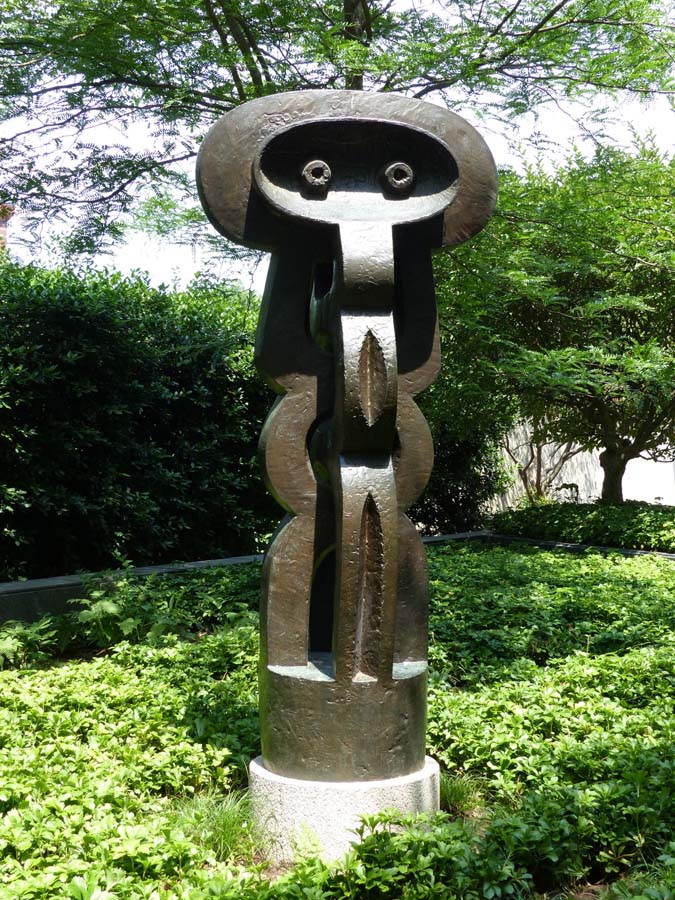
In the early years, Lipchitz created geometric, angular figures with clear, block-like forms focused towards the frontal view (strict, analytical cubism). Later his art evolved significantly. He freely invented forms rather than just breaking them down analytically (synthetic cubism), and developed open, openwork compositions in which light and space can flow through the sculpture (transparent cubism).
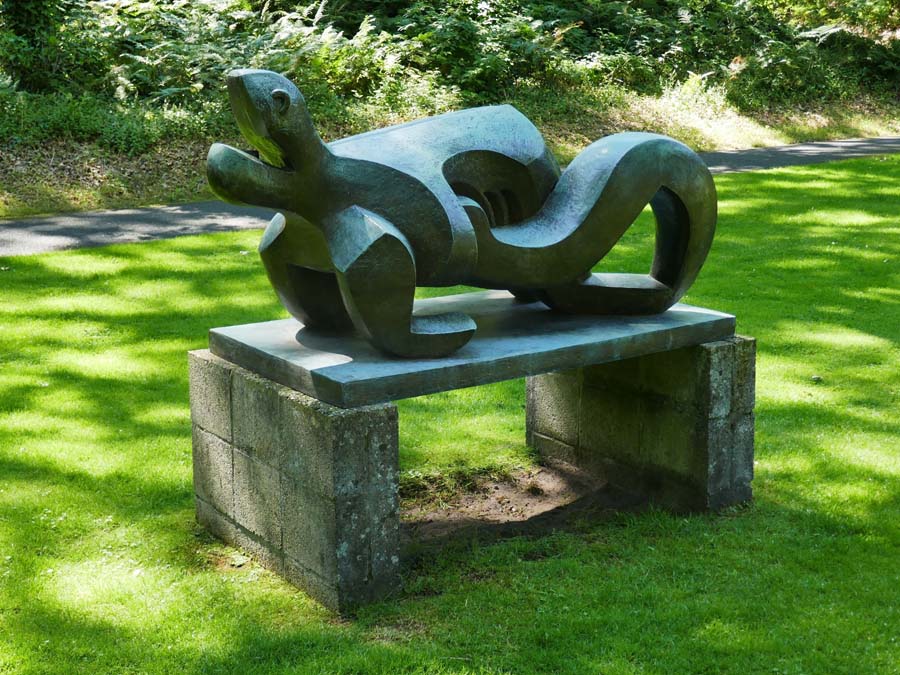
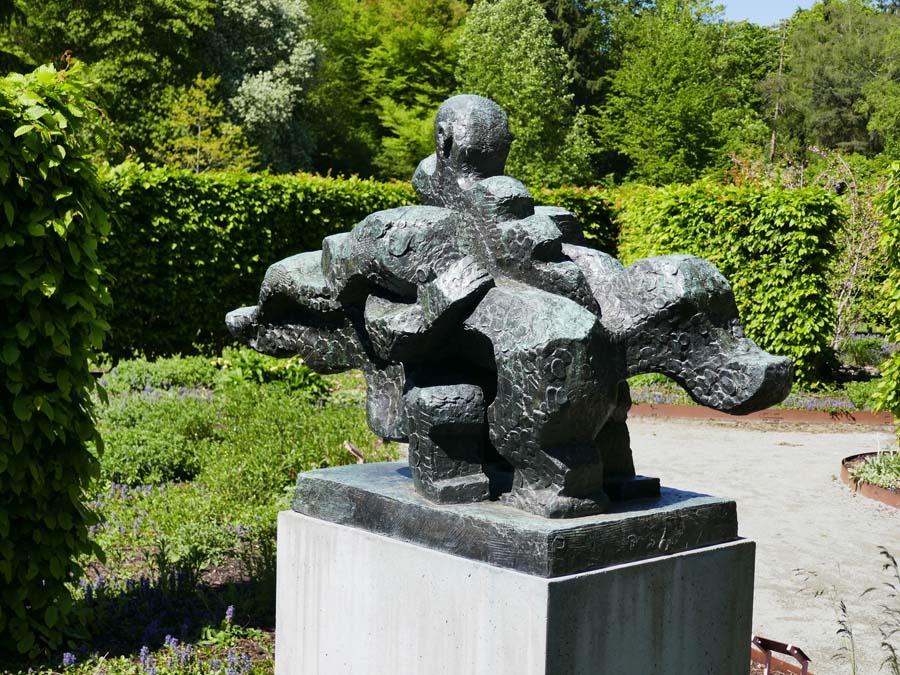
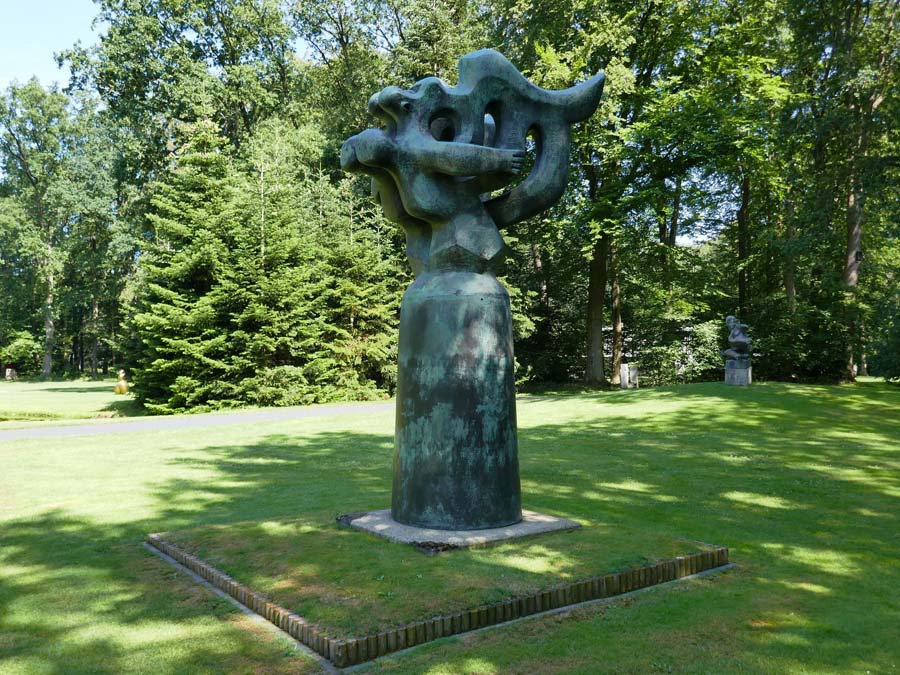
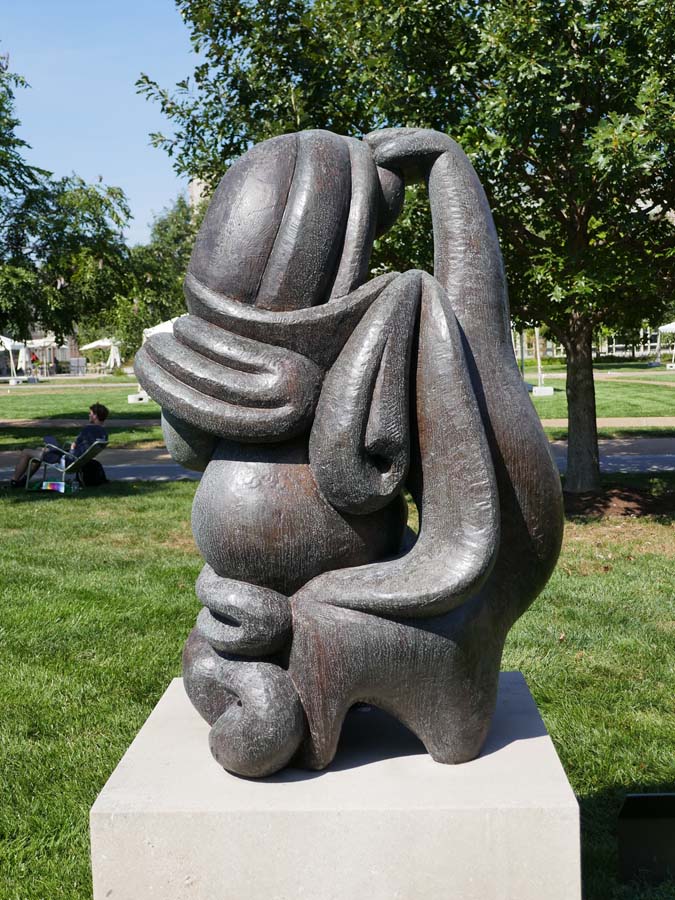
Many of Jacques Lipchitz’s later works are monumental, expressive sculptures with mythological or religious themes. They appear dramatic, almost baroque in their twisting and movement – a significant contrast to the strict geometry of his early phase. Curved lines and sweeping forms now convey dynamism, energy and tension.