USA
*June 3, 1928 Excelsior Springs (MO)
† February 12, 1994 New York
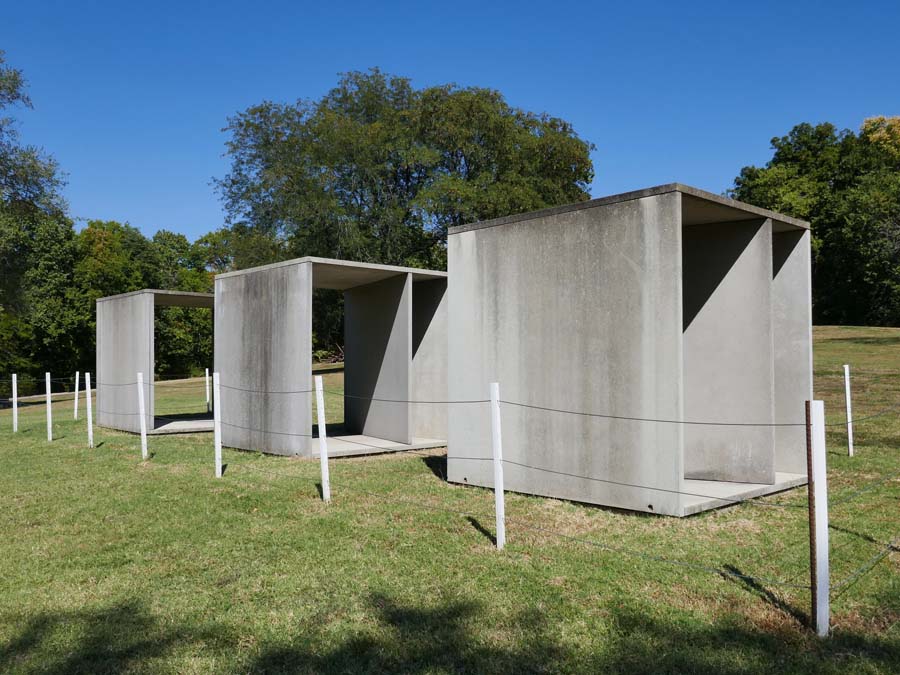
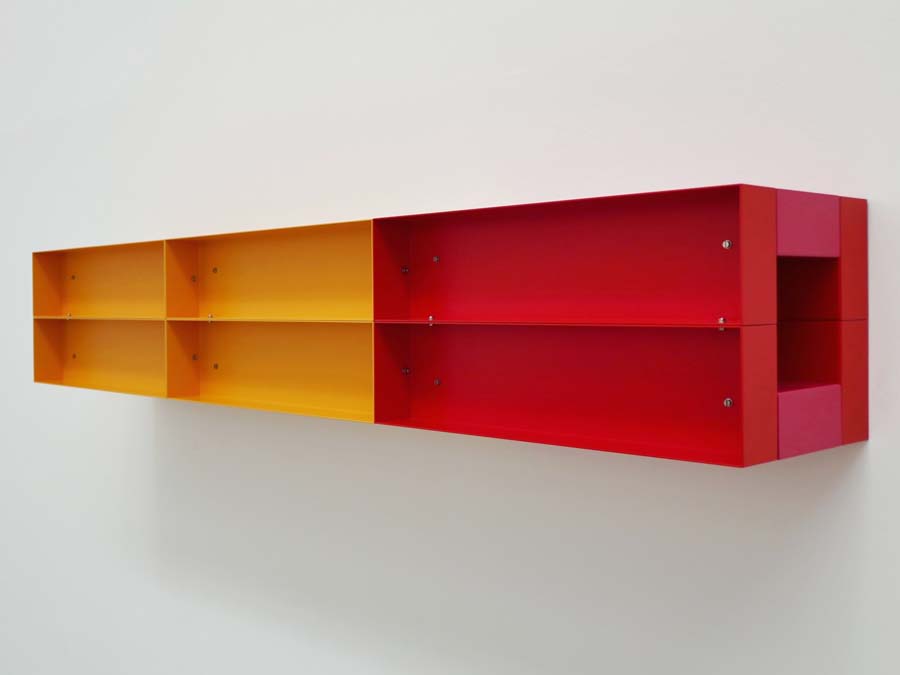
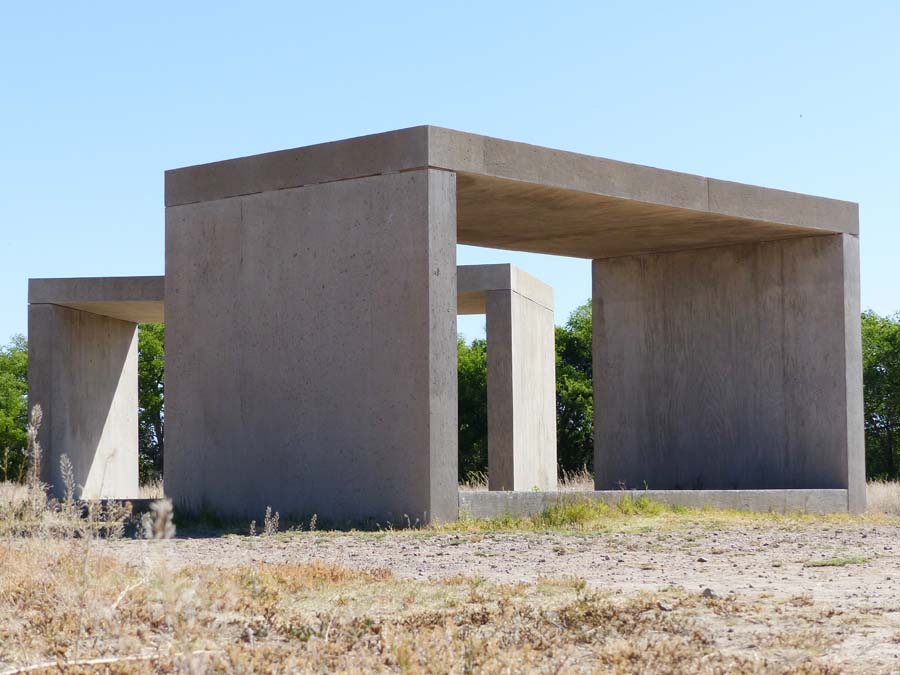
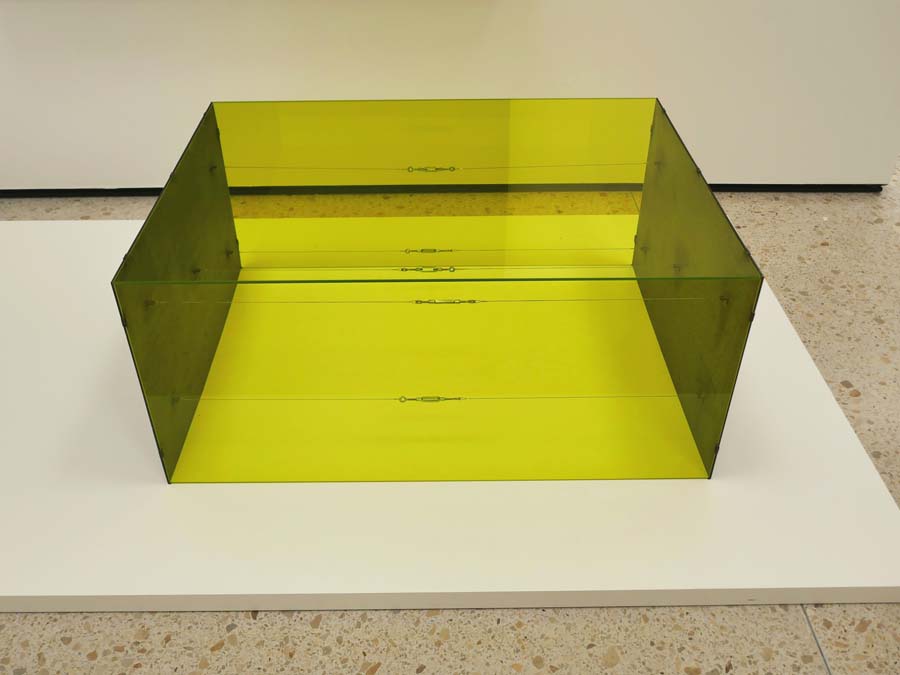
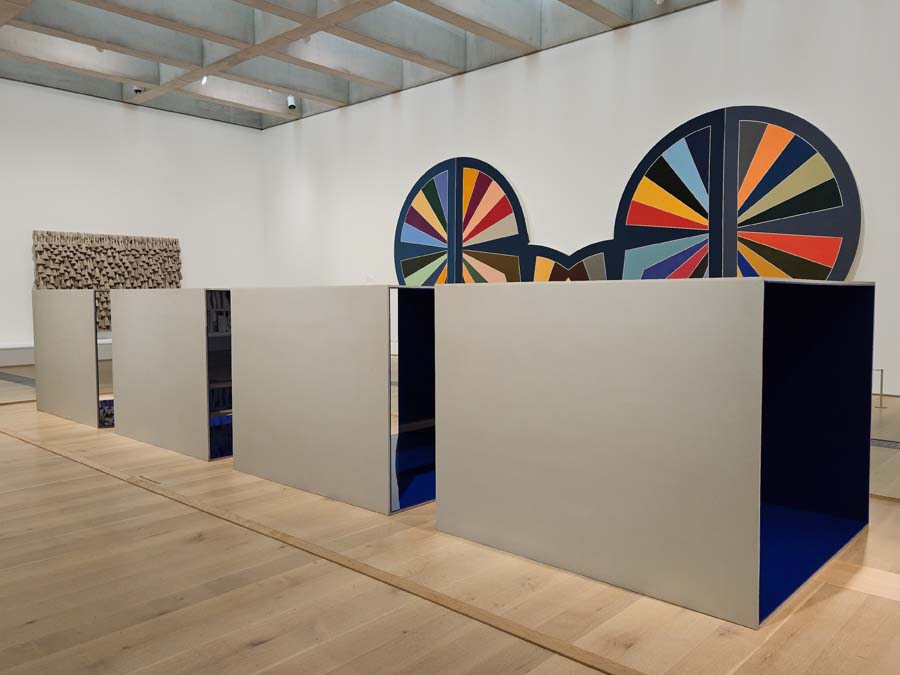
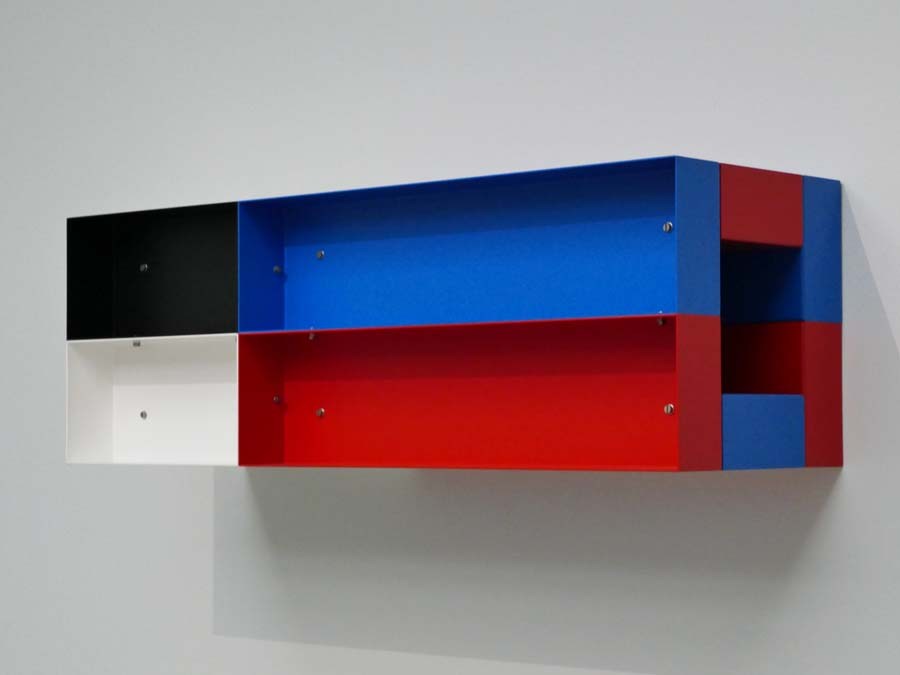
Donald Judd, who initially began as a painter, rejected traditional painting and sculpture; his minimalist art is characterized by radical reduction, strict clarity, and order. When he gave up painting in favor of sculpture in the early 1960s, he wrote the essay “Specific Objects,” which was groundbreaking for his art. He challenged Mark di Suvero’s thesis that true artists should create their art themselves; in his view, methods were irrelevant as long as the result was art. Judd refused to call his works sculptures, as he usually had them manufactured in small factories using industrial processes.
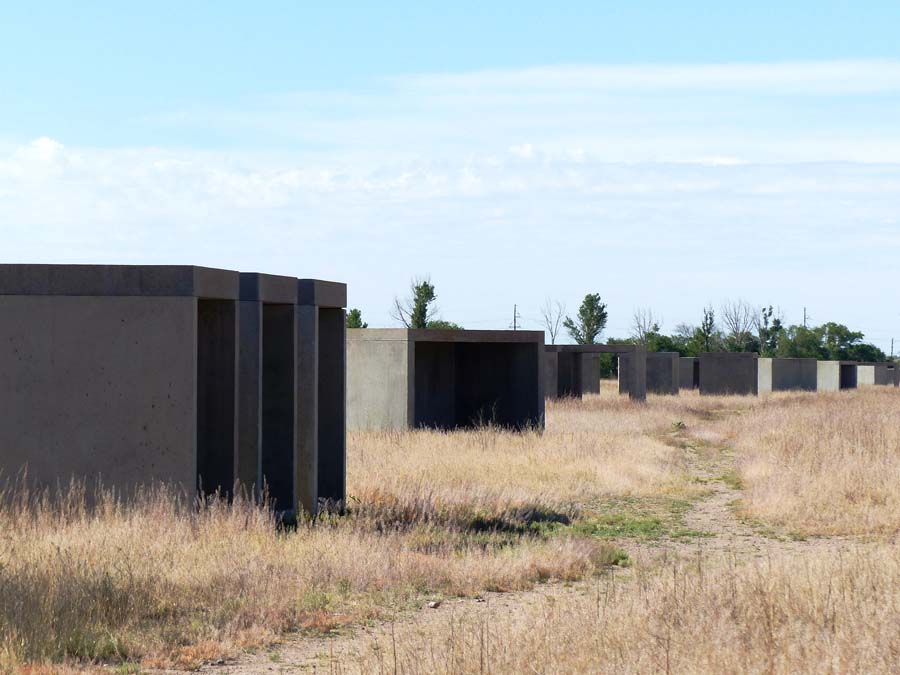
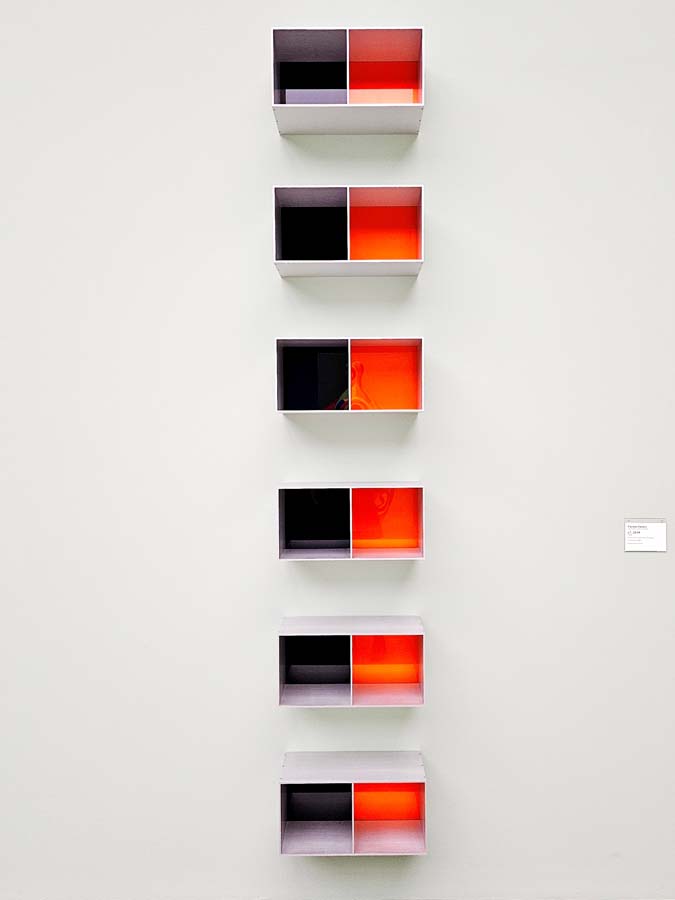
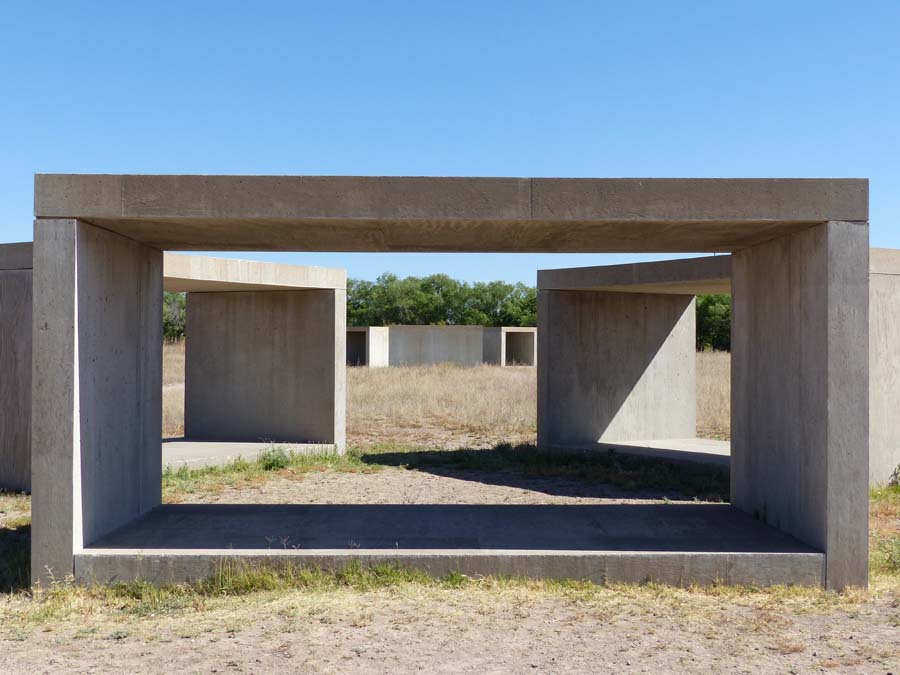
The majority of Judd’s works consist of “specific objects”; his groupings of cubes and blocks, designed as floor or wall pieces, made him famous. Simple materials such as metals, industrial plywood, concrete, or colored Plexiglas became basic elements of his work. Space plays a central role in the artist’s work; his objects are always designed with their relationship to space and architecture in mind. In Marfa, Texas, where he spent the last decades of his life, he designed large-scale spaces and buildings as permanent installations in which art and space form a unity.